
UK’s CMA referral of a major stock‑image merger underscores the tightening of competition and state‑aid scrutiny in the bloc
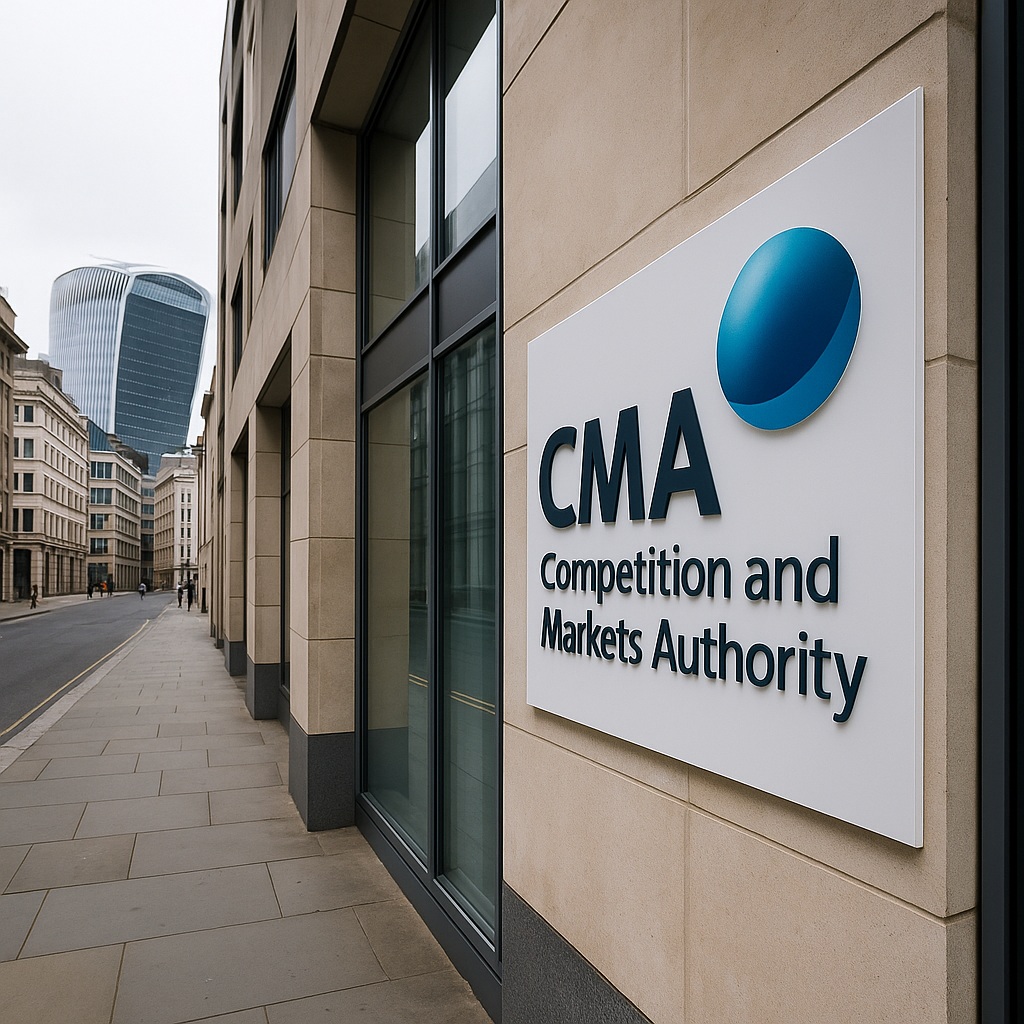
As Europe’s regulatory authorities signal a fresh wave of enforcement intensity, the referral by the Competition and Markets Authority (CMA) of the merger between Getty Images Holdings, Inc. and Shutterstock, Inc. marks a new chapter in the struggle for control of digital markets. In early November, the UK watchdog declared the proposed tie‑up warranted an “in‑depth” review, throwing a spotlight on how competition, state‑aid and market‑structure oversight are increasingly intertwined in the European economy.
A sign‑post of regulatory vigilance
The CMA’s decision to escalate its scrutiny is rooted in concerns that the planned creation of a visual‑content giant could lead to higher prices, reduced quality of service and weakened dynamics for UK media and creative firms. The authority determined that the remedy package offered by the merging firms did not fully address the “substantial lessening of competition” test under the UK’s legal framework.
Although the merger was announced at the start of the year and has already drawn attention from stakeholders including the News Media Association, the CMA’s referral at this juncture is a clear message: deals in digital‑content markets will not slide through unchallenged simply because of the growth pressures around artificial‑intelligence or global scale.
From an EU vantage point, the move highlights how national regulators are willing to exercise their tools robustly—even for deals with transatlantic footprints. It also underlines that the regulatory gaze is not confined to consumer‑facing sectors but extends into the infrastructure of creative supply‑chains: licensing, media‑content, platforms and AI.
Why the deal triggers alarm bells
At first glance, the merger of Getty and Shutterstock might appear a niche event in the stock‑image business. But three broader dynamics elevate its significance for competition policymakers:
- Concentration of content‑licensing capacity: By combining two of the largest suppliers of images, video and editorial visuals, the merged entity could wield significant leverage over prices, contract terms and bundling in the UK and EU markets. The CMA explicitly cited concerns that customers such as publishers and creative agencies may face worse terms post‑deal.
- AI and creative‑content disruption: The image‑licensing sector is under structural pressure from generative AI and digital‑platform intermediaries. Regulators may view consolidation as disproportionately risky in a sector where new entrants and alternative models matter for innovation, pricing and supply‑chain resilience. The fusion is thus not only about legacy markets but about future‑facing content ecosystems.
- Precedent effect for other sectors: Regulators see this as a test case. If major deals can be challenged in the UK (and by extension in Europe), then other firms contemplating large scale consolidation in digital supply‑chains – whether media platforms, licensing businesses or AI‑data intermediaries – will face heightened antitrust and state‑aid scrutiny.
Implications for competition and state‑aid policy
For policy‑makers in Brussels and London alike, the significance is multi‑fold:
- Stricter merger screening: The referral signals that national regulators—and by extension the European Commission—are prepared to push back hard on deals that may reduce competition in services adjacent to platforms, content and data. Firms must factor in longer timetables, more demanding remedies, and a realistic chance of referral to phase 2 reviews.
- State‑aid and subsidy angles: While this specific case is a merger rather than a direct state‑aid question, the linkage between content‑licensing, digital‑services and subsidised technologies (for example AI‑training datasets) means that state incentives to scale content platforms could face intersectional scrutiny. Regulators are alert to how state‑support plus consolidation might further entrench incumbents.
- Global coordination: Although the companies are U.S.–based, the UK’s action shows how local regulators will apply domestic competition law to deals with international ambitions. For EU firms executing cross‑border deals, this raises the risk of parallel investigations, divergent remedy expectations and cumulative regulatory burdens.
- Operational caution for businesses: For entities engaged in M&A, especially in digital, media or content markets, the lesson is clear: early engagement with regulators, transparent remedy proposals and robust competitive assessments are essential. Delay or under‑response to regulator concerns may force firms into costly second‑stage investigations—or termination of deals.
What happens next
In broad terms, the merger between Getty and Shutterstock will now enter a deeper phase of scrutiny. The CMA’s decision to refer the case means a detailed phase 2 investigation is likely, potentially lasting several months and requiring review of internal documents, market data, customer feedback and alternative‑scenario modelling.
The merging firms must decide whether to propose stronger divestitures or structural remedies, which could include the sale of business units, licensing guarantees or network‑effect safeguards. For industry watchers, the case will be instructive: how much regulatory pushback will the deal face, what terms will emerge, and whether the transaction survives or is blocked.
Meanwhile, for Europe’s economy the wider message is unmistakable: regulators are no longer signalling—they are acting. Consolidation in content‑, data‑ and platform‑adjacent sectors will face the kind of scrutiny previously reserved for telecoms, energy or banking. Firms must be prepared to engage accordingly.
In an era when digital‑content, creative‑assets and generative‑AI are reshaping entire business models, the Getty‑Shutterstock referral doesn’t just concern two image libraries—it marks a wider juncture in how Europe manages competition and state‑aid in the platform economy. For any firm with its eye on scaling, merging or expanding in Europe, the regulatory winds have shifted.



 The Tower Post