
Despite a flurry of proposals from European capitals, Volodymyr Zelenskyy says Kyiv has seen no formal, agreed‑upon blueprint for ending the war with Russia.
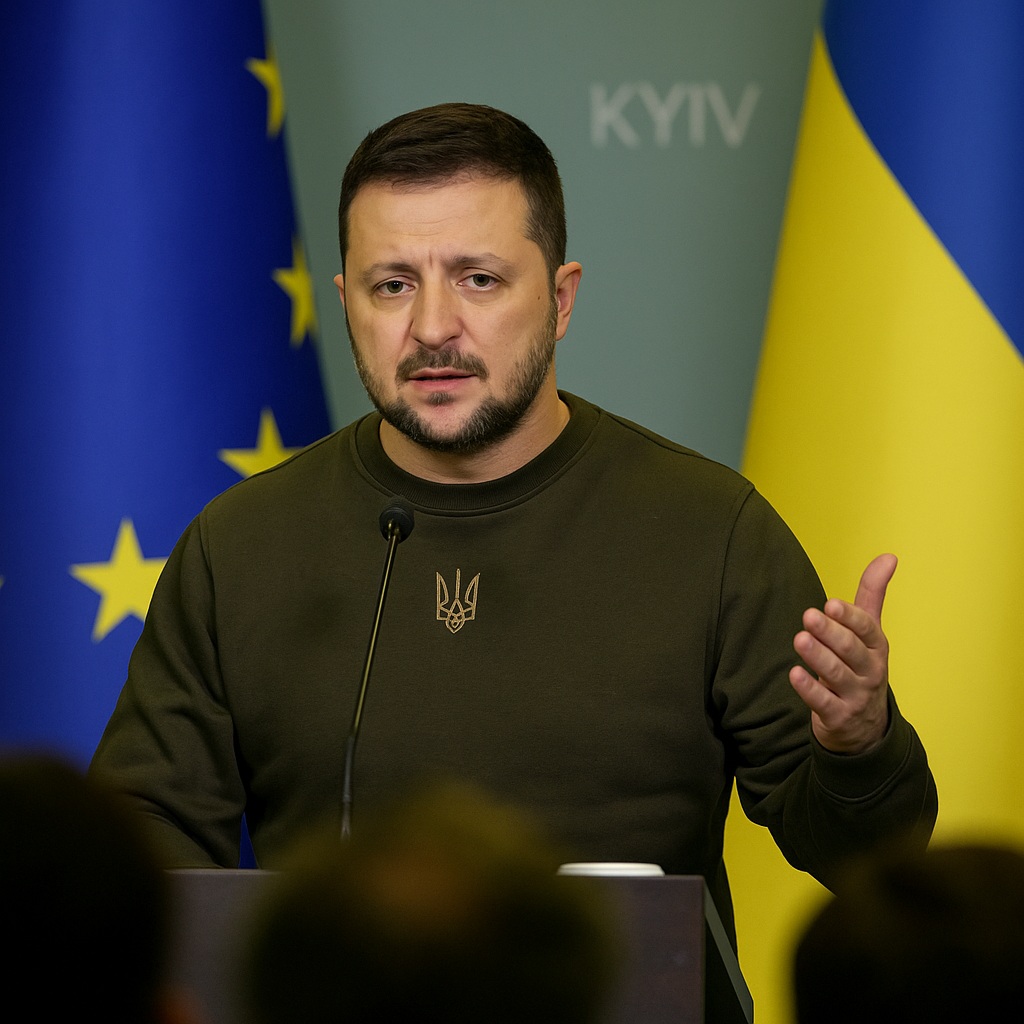
In a press briefing earlier this week, President Volodymyr Zelenskyy told reporters that while European countries have floated various ideas for how to end the war with Russia, there remains no concrete European peace plan on the table that Ukraine has formally reviewed or accepted.
The revelation comes amid growing international attention on how the conflict might be brought to some form of resolution. Media reports had recently claimed that a “12‑point European peace plan” was being developed, but Zelenskyy firmly denied having seen such a document. “It’s important to understand whether I, as the president of Ukraine, have seen this plan. No. I think that is the answer to all the questions,” he said.
A flurry of proposals, but no formal blueprint
According to his remarks, President Zelenskyy acknowledged that several European‑led approaches for ending the conflict exist in draft or concept form, but none have been formally presented to Kyiv as a binding settlement proposal.
This distinction matters: Ukraine is fighting not only to defend its territory and people, but also to secure diplomatic guarantees that any peace deal will preserve its sovereignty and security. As one Ukrainian official quietly noted, “ideas are fine, but we need commitments.”
European capitals, meanwhile, are battling internal disagreements over how far negotiations can go and under what conditions peace can be achieved without compromising Ukraine’s core demands. Some states favour incremental cease‑fires; others push for more far‑reaching settlement concepts. But without a unified, formalised proposal, Kyiv remains in waiting.
The risk of a vacuum
By signalling the absence of a solidised European proposal, Zelenskyy is also raising the stakes in the diplomatic game. If Europe fails to follow through with a credible plan, Ukraine may feel compelled to shift its focus elsewhere — most obviously to Washington and other global actors.
Indeed, recent reporting suggests that Ukraine increasingly looks to the United States for concrete backing, both militarily and politically, as European commitments remain ambiguous.
The lack of a unified blueprint also presents risks for Europe’s role in the war’s ultimate resolution. Without a credible European‑led option, Moscow may feel emboldened, and Kyiv may find itself acting unilaterally or accepting terms under duress.
What Kyiv wants
From Kyiv’s standpoint, any peace framework must include:
- Recognition of Ukraine’s territorial integrity and sovereignty
- Security guarantees robust enough to deter future aggression
- A clear sequencing of withdrawal, reconstruction and justice measures
- Real role for Ukraine at the negotiation table rather than being sidelined
Zelenskyy’s refusal to endorse anything less than a clear, formal plan reflects these priorities. While Kyiv appreciates the ideas coming from European capitals, it is not willing to sign on to a speculative or loosely defined settlement that lacks enforcement mechanisms.
Europe’s dilemma
For European states, the challenge is multi‑layered: they must balance domestic public fatigue over the war, economic pressures from prolonged conflict, and divergent views on how far to push for a settlement with Russia. Some capitals privately fret that offering too generous a deal to Moscow could undermine Ukraine’s position; others argue that prolonging the war indefinitely is unsustainable.
In short: Europe may be generating plans, but it is not yet at the stage of plan. And for Kyiv, that distinction is everything.
What happens next?
With the war entering its fourth calendar year, the search for meaningful resolution mechanisms grows ever more urgent. Observers now anticipate:
- Whether European leaders will unite behind a single blueprint and formally present it to Kyiv
- Whether Ukraine will publicly signal its acceptance, modification, or rejection of any such plan
- Whether Russia will be drawn into direct negotiations under the terms outlined by Europe and Ukraine — or whether Moscow will remain reluctant or demand more favourable terms
- How the United States and NATO will react and whether Washington will push Europe to accelerate its proposal
For the moment, President Zelenskyy’s message is clear: ideas are not enough. Until Kyiv has a concrete, verified plan that reflects its core demands, the status‑quo holds.
Conclusion
As of early November, Europe remains in the planning stage while Ukraine remains cautious. The war is raging on, and without a formal peace framework, the risk that the fighting grinds on or that any settlement is reached on disadvantageous terms remains high. President Zelenskyy’s public statement serves as both a diagnostic of the current diplomatic impasse and a strategic signal: Ukraine will not be rushed into accepting a half‑measure or an ill‑defined agreement.
For now, the peace process remains in limbo — and the burden lies with Europe to move from concepts to commitments.

 The Tower Post