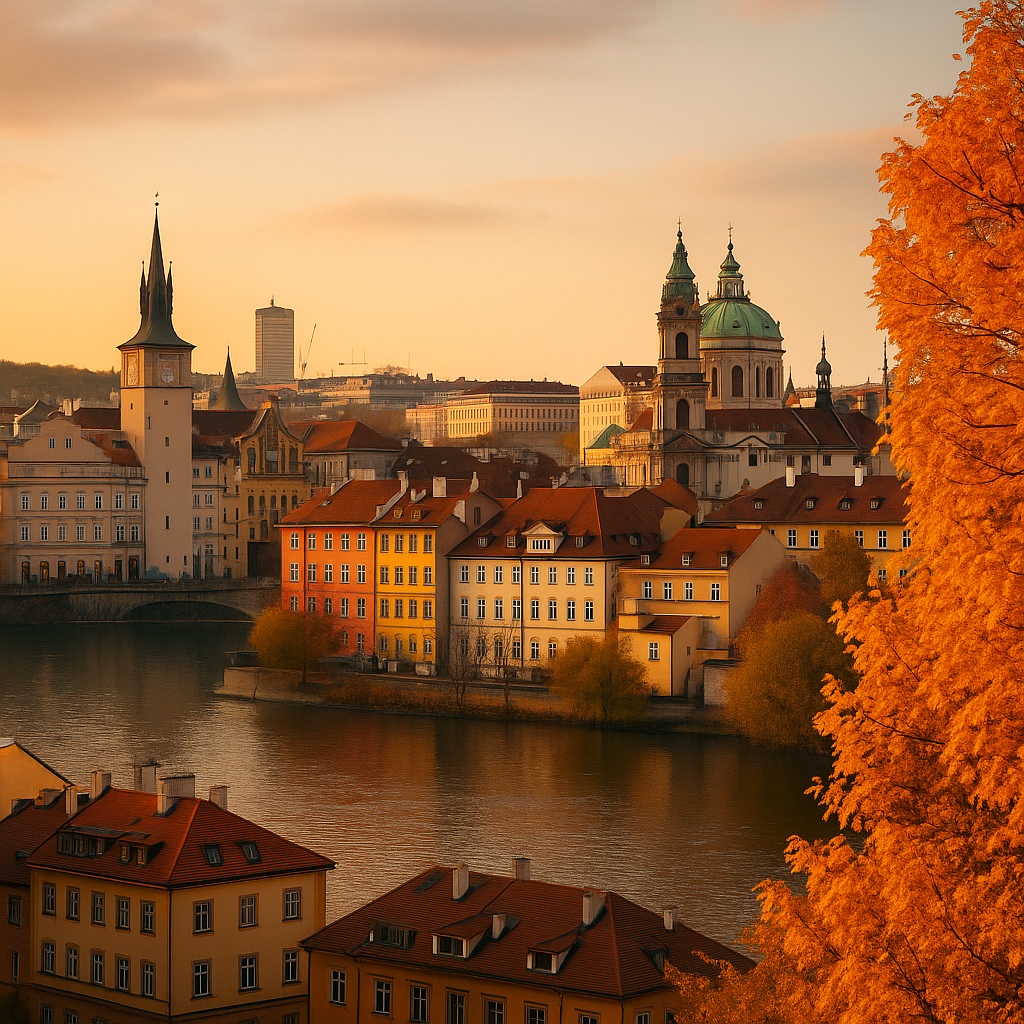
With growth flagged as modest and stagnation looming, Brussels‑based business lobby urges bold policy moves to revive the engine.
As Europe turns the corner into autumn, a sobering economic message is echoing through the corridors of Brussels and across boardrooms from Lisbon to Helsinki: the continent’s engine is sputtering, growth is modest, and without decisive action the region risks entering a phase of “slow agony”—a protracted period of stagnation rather than sharp recession, but painful all the same.
The warning comes from BusinessEurope and other leading Brussels‑based business federations, which in their latest outlook caution that the European economy is growing only modestly and that policy levers must be pulled promptly if stagnation is to be averted.
A muted recovery, growing fragilities
According to recent projections, real GDP growth across the 27‑member bloc is expected to remain below long‑term typical levels. The Autumn Outlook for 2024–25, for instance, had indicated growth of around 0.9 % in 2024 with a modest uptick thereafter. Meanwhile, business sentiment remains cautious, investment weak, and regulatory and energy‑cost burdens continue to weigh on competitiveness.
What emerges is a portrait of an economy that is not collapsing—but neither is it thriving. Consumption is hanging on, but business investment remains sluggish, especially in energy‑intensive and manufacturing sectors. The world around Europe is changing fast—with trade tensions, a shifting global order, advancing digital and green transitions—but Europe’s capacity to respond is arguably weakened.
“Slow agony” is not a tagline—it’s a warning
BusinessEurope’s use of the phrase “slow agony” is telling. The danger is that Europe does not face a sharp downturn followed by rapid rebound, but rather a drawn‑out period of weak growth, under‑investment, and steadily declining global market share. The report points to structural weaknesses: labour shortages, rising regulatory burdens, high energy costs, and a business environment that is gradually losing competitiveness.
The longer Europe delays policy action to boost competitiveness, invest in the green and digital transitions, and ease burdens on business, the higher the risk that stagnation becomes the baseline rather than recovery.
Where policymakers must focus
To alter the trajectory, the autumn outlook highlights several key policy arenas:
- Boosting investment: Both public and private investments must accelerate. Europe needs to channel resources into infrastructure, innovation, and skills if it is to escape the growth trap. BusinessEurope explicitly flags the need for fiscal frames which enable sustained investment.
- Energy and cost of doing business: One recurring pain point is the high cost of energy and the regulatory overhead that many firms face. These factors erode price competitiveness and discourage investment in manufacturing.
- Completing the Single Market and unlocking business dynamism: The structural reforms are less glamorous than headline stimulus, but the report stresses that simplifying regulation, enhancing labour flexibility, and deepening capital markets are essential if Europe is to regain traction.
- Avoiding policy complacency: With inflation falling and interest rates stabilising in many parts, there is a risk that governments and central banks slip into complacency. But the outlook warns that the window for action may not remain open indefinitely.
Why the timing matters
This message comes at a moment when geopolitical risks, supply‑chain fragility and shifts in global demand are all converging. The autumn outlook warns that delaying action now will raise the cost of future rescue efforts and may lock Europe into a low‑growth path with adverse social and fiscal consequences.
For example, even if inflation moderates and household spending continues, the weak investment profile means productivity gains will remain elusive, and structural unemployment may slowly creep back up. In this sense, the “slow agony” refers not just to weak growth, but to a gradual erosion of economic potential.
What happens if Europe stands still?
If policy responses are half‑hearted or delayed, several scenarios could unfold:
- Growth nests around low single‑digit or sub‑one‑percent levels for years, making debt burdens heavier, public investment harder, and social spending under pressure.
- A gradual decline in export competitiveness as global peers move faster in digital/green sectors.
- Possible structural shifts: if manufacturing, especially in energy‑intensive industries, continues to lose ground, Europe could see de‑industrialisation in pockets and a hollowing out of its industrial base.
A call for urgency, not panic
While the tone of the outlook is sober, it does not signal imminent collapse. Instead, it is a call for urgency. The message to policymakers is clear: Europe must not assume that moderate growth is fine—it carries hidden risks and mounting costs.
For business leaders, the signal is also clear: the environment is not about to “reset” to high‑growth norms. Competitiveness matters. The ability to invest, to adapt, to innovate at speed, will determine which firms thrive.
Key takeaway for the autumn
As Europe moves into the final months of the year, the autumn economic outlook serves as a reminder that modest growth is not sufficient—it can become a trap. With low growth, no rebound in sight, and structural headwinds mounting, the region must act now: invest decisively, reform boldly, and seize the opportunity before the “slow agony” becomes reality.
 The Tower Post