
Beijing says Dutch seizure of a China‑owned chipmaker is dragging out export restrictions that could bring automotive production in the Netherlands and across Europe to a stand‑still.
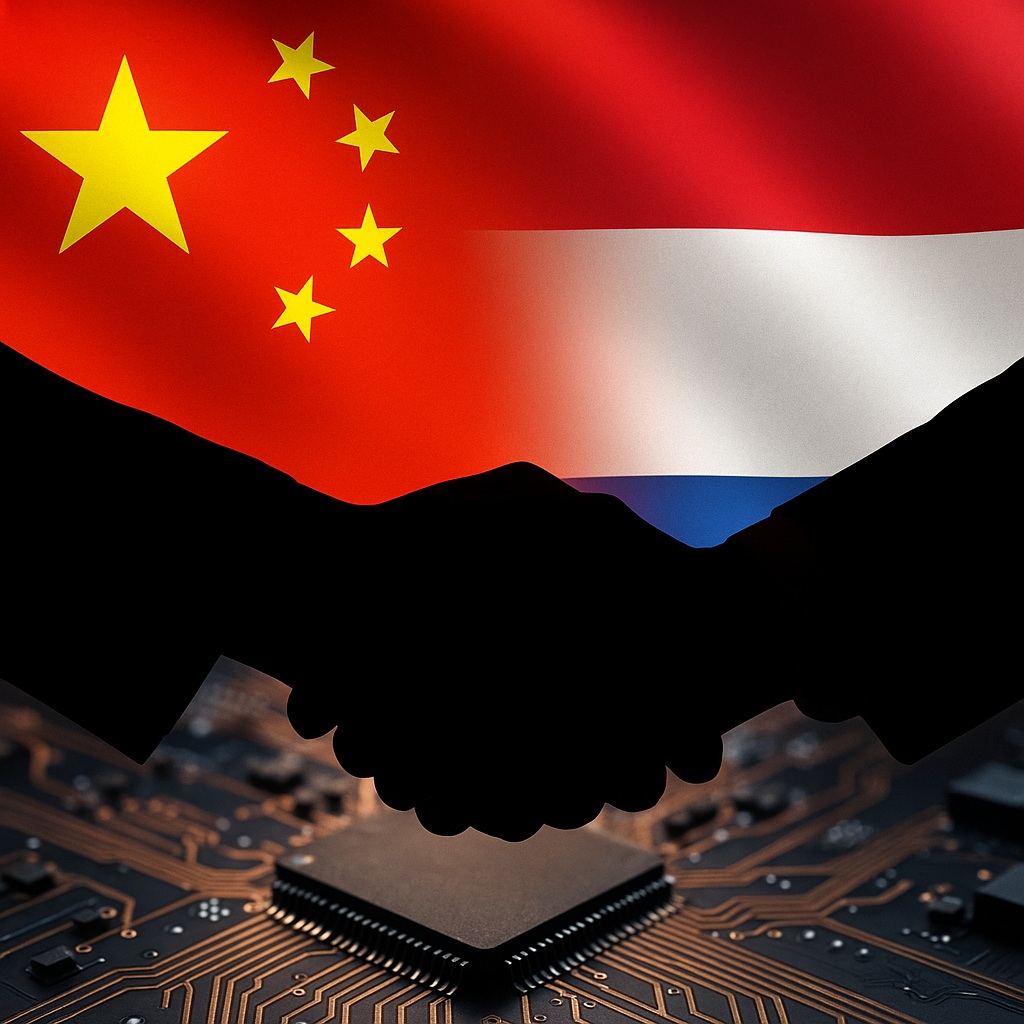
The government in Beijing has issued a sharp rebuke of its counterpart in The Hague, alleging that the Netherlands is intentionally prolonging a supply‑chain crisis in the semiconductor sector that now threatens to derail car manufacturing across Europe.
The flash‑point is Nexperia — a Netherlands‑based chip‑maker majority‑owned by China’s Wingtech Technology — which produces basic but mass‑used semiconductors for the auto industry. The Dutch government took control of the company under an emergency national‑security law in late September, citing fears that critical technology might be transferred to China.
In response, Beijing placed export restrictions on Nexperia’s Chinese manufacturing site, creating a bottleneck for chip‑supplies that feed into car‑factories in Germany, the Netherlands and beyond.
On a recent Tuesday, China’s Ministry of Commerce accused the Dutch side of continuing to act “unilaterally” and without concrete efforts to resolve the matter, warning that the dispute will “inevitably deepen the adverse impact on the global semiconductor supply chain”.
A Supply‑Shock in the Making
Observers say that although the chips in question may not be cutting‑edge, they are ubiquitous in modern vehicles: from safety‑systems and engine‑control units to sensors and electronic switching. The crisis emerged once Nexperia’s Chinese operations — where many chips are packaged and exported — faced disruptions. In one letter to customers, Nexperia admitted it “could not say when deliveries … will resume or vouch for quality”.
The result: European car‑makers are now issuing warnings that halted production lines may be just days away, and labour‑furloughs could follow if the chips don’t arrive. The dilemma underscores how deeply Europe remains exposed in the global chip value‑chain and how a disruption in one node can ripple across industries.
Dutch Defence and Chinese Frustration
For its part, the Netherlands insists it is engaged in diplomatic discussions with China and its European partners to find a “constructive solution … good for Nexperia and our economies”. But Beijing remains unconvinced: it says The Hague’s actions have confused and damaged supply lines, and it wants the Netherlands to “stop interfering” in what it designates as corporate‑affairs.
The political backdrop is hard to miss. The Netherlands, home to critical lithography equipment manufacturers and a key link in the semiconductor ecosystem, has increasingly aligned with U.S. export‑controls on China. Meanwhile, China views such moves through the lens of industrial sovereignty and geopolitical rivalry, and its commerce ministry invoked language of “unrest and chaos” when describing the Netherlands’ role.
The Automotive Risk Zone
The auto sector finds itself stuck in the cross‑fire. Manufacturers operate on lean inventories, relying on just‑in‑time imports of components. The supply glitch with Nexperia chips has prompted some firms to apply for exemption licences from China, while scrambling for alternative suppliers — with mixed success.
One industry executive put it bluntly: “Today our system means we have zero autonomy as an industry … look at the Nexperia chip crisis.” The comment speaks to wider anxieties: when a single small chip‑maker in Europe becomes embroiled in a geopolitical dispute, entire factories risk grinding to a halt.
Should the impasse persist, the financial stakes are large: production delays cost more than machinery downtime; they ripple into labour, supply‑contracts, export deliverables and investor confidence. Analysts are increasingly warning that Europe’s autos‑cluster could be a “first casualty” of a broader chip‑war.
What’s Next?
Diplomatic channels are active but slow. The European Commission is said to be closely monitoring the situation and coordinating with the Netherlands and Chinese authorities. But given the public sentiment on both sides — with Beijing accusing The Hague of deliberate delay, and the Netherlands clinging to its sovereignty concerns — negotiations may drag.
Three possible outcomes emerge:
- Rapid resolution and exemptions granted : China lifts export restrictions for Nexperia, car‑plants resume normal operations, and the Netherlands adjusts oversight to appease Beijing.
- Prolonged stalemate : Supply chains further fragment, European car‑manufacturing slows, alternative chip‑supply routes are ramped but not fast enough, and costs mount.
- Structural shift : Europe accelerates efforts to re‑shore or diversify chip‑fabrication, car‑makers restructure reliance away from vulnerable single suppliers, but at the cost of higher investment and slower ramp‑up.
For now, the immediate risk dominates: as of early November, the auto industry in the Netherlands and neighbouring states is on “alert” for production stoppages unless clarity returns swiftly.
Conclusion
The dispute between the Netherlands and China over Nexperia has morphed far beyond a corporate governance issue. It has become part of a larger battle for control of the global semiconductor value‑chain — and a real‑world threat to European industrial output. With car factories standing by and parts scarce, the question is not merely who wins a trade wrangle, but which factories stop turning first.
The Netherlands may regard its intervention as necessary for national and European tech‑security; China sees it as undue interference with business and supply‑chains. Between them lies the fate of thousands of European jobs and the rhythm of factories that depend on chips far smaller than the headlines suggest.



 The Tower Post