Europe’s fashion e‑commerce giant signals a global
trend shift as athletic wear surges, with implications for U.S. brands
and consumers
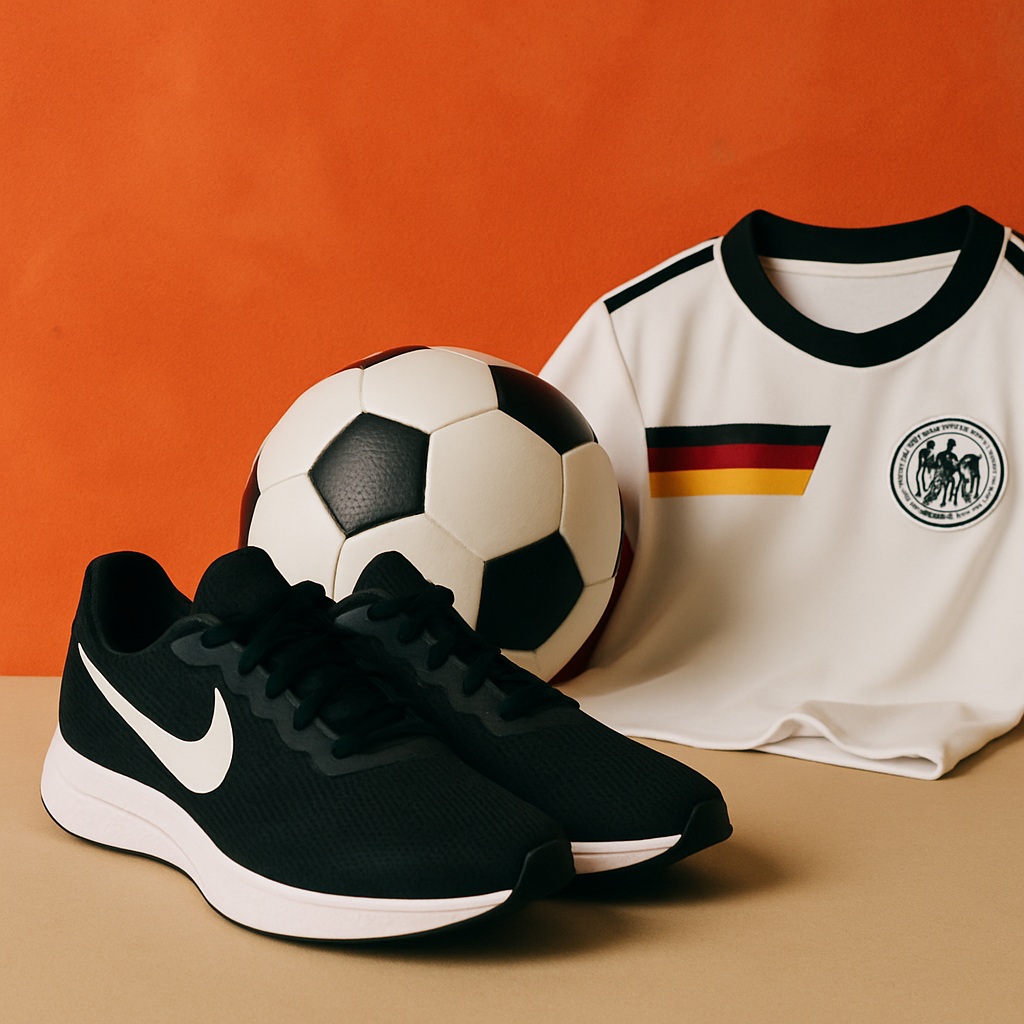
Zalando’s latest move to deepen its presence in sportswear—this time
through a broad, multi‑club partnership within German professional
soccer—signals a bolder phase for a European powerhouse whose influence now extends well beyond the continent’s fashion borders.
The company’s new agreement integrates Zalando branding and commerce integrations across several top‑flight teams, embedding the retailer within the weekly rhythms of match‑day culture. Executives describe the initiative as a strategic bridge between lifestyle fashion and modern athletics, a response to shoppers who increasingly blur the line between performance gear and everyday wear.
Industry watchers note that while Zalando’s core business remains
anchored in Europe, its decisions carry global weight. The company’s
extensive data on search behavior, purchase patterns, and brand demand is often treated as an early indicator of where U.S. consumers may shift next. With the retailer doubling down on sportswear, American brands are paying close attention.
The move deepens a multi‑year expansion of Zalando’s sports category. Analysts say the push is fueled by three factors: the sustained rise of athleisure, a strengthening of women’s sports markets, and a consumer tilt toward versatile, durable apparel in uncertain economic periods. Soccer, with its massive and emotionally engaged fan base, has become a natural proving ground.
Unlike previous sponsorships from apparel makers, Zalando’s approach leans heavily on digital experience. Fans watching from home can link directly from club content to curated product pages, while stadium activations pair influencer coverage with instant mobile shopping. It’s an ecosystem designed to meet consumers wherever they are during the match cycle—before kickoff, in the halftime scroll, or the day after a big win.
For American brands seeking European growth, Zalando’s deeper sports commitment offers a clear runway. U.S. labels that perform well on the platform often see faster adoption in domestic markets months later, a reversal of the usual east‑to‑west trend cycle. Category managers say that performance sneakers, technical outerwear, and women’s training apparel have experienced the sharpest acceleration.
Yet the strategy also reflects a shifting competitive landscape within
Europe itself. Global rivals are expanding aggressively, and younger
consumers increasingly expect sports retailers to deliver the same
premium digital experience they find in fashion. Zalando’s hybrid
approach—combining its fashion marketplace depth with a sports‑forward focus—positions it to compete on both fronts.
The brand’s soccer pact lands as clubs across Germany experiment with more flexible commercial partnerships and globally minded fan
strategies. With supporters consuming content across streaming,
short‑form video, and social commerce, teams have become incubators for cross‑category collaborations. Zalando’s involvement underscores how fashion, identity, and fandom now intertwine.
For U.S. audiences, the story is less about European soccer and more
about what the partnership signals: a broader normalization of
athletic‑driven style, not just for training but for daily wardrobes. As
American shoppers gravitate toward practical yet expressive clothing,
Zalando’s playbook illustrates how digital‑first retailers may shape the
future of performance fashion.
All of this suggests that the boundary between sports and lifestyle will
continue to narrow. Zalando is betting that fans—whether in Berlin or
Boston—will increasingly shop in the same ecosystems where they follow
their favorite teams. And its latest step into the stadium lights hints
that the global center of gravity for sports‑influenced fashion is still
shifting.



 The Tower Post