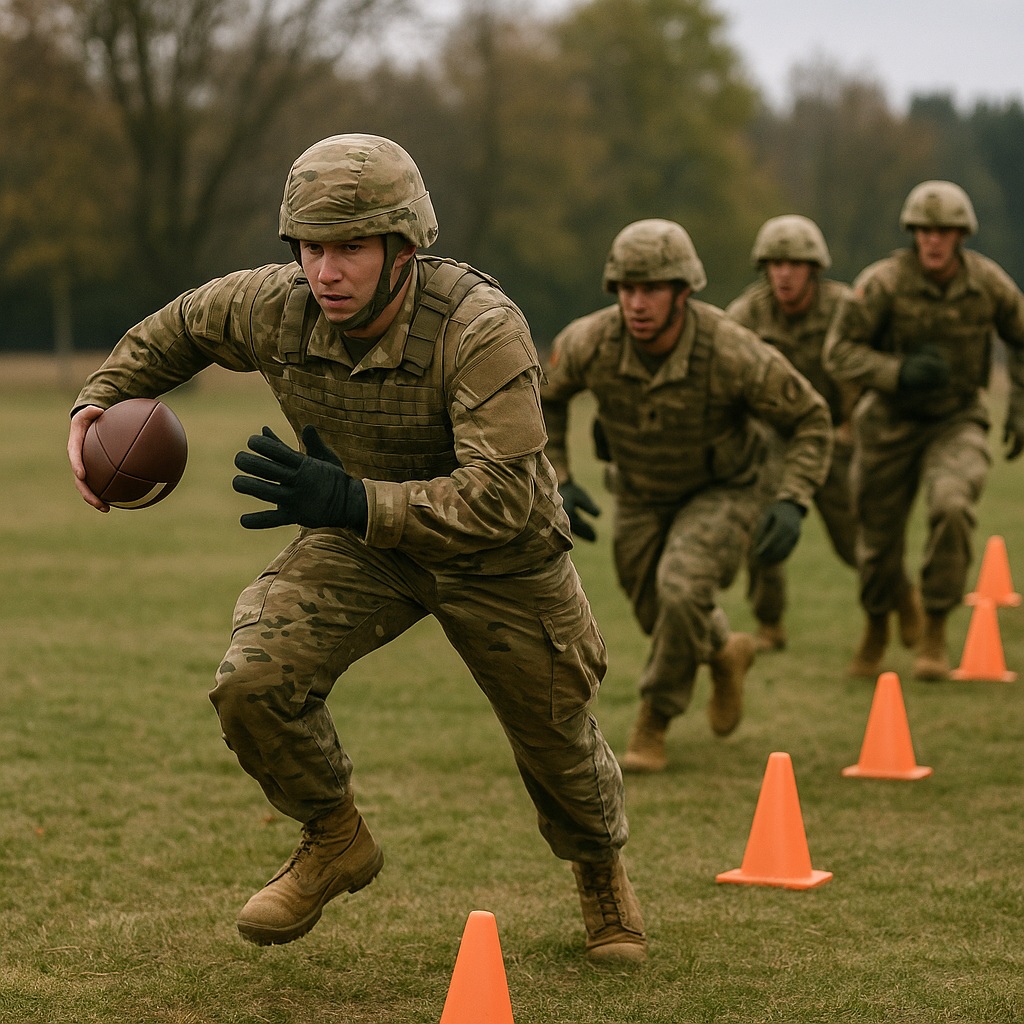
NATO’s Avenger Triad 25 showcases unprecedented multinational readiness in Europe
In a sweeping demonstration of collective defense, NATO forces completed one of the largest war simulation exercises held in Europe in recent years. The event, known as Avenger Triad 25, was led by the U.S. Army’s V Corps and centered in Poland. It brought together troops, planners, and observers from dozens of NATO and partner nations as part of a broad effort to validate alliance readiness amid ongoing geopolitical tensions across the continent.
Avenger Triad 25 emphasized synchronized multi-domain operations, integrating land, air, cyber, and space components into a single operational construct. Senior commanders described the exercise as a “stress test” for NATO’s ability to deploy and coordinate forces under crisis conditions. The simulated scenario focused on responding to a large-scale conventional threat emerging on the alliance’s eastern flank.
For Poland, which hosted the core maneuvers, the exercise was another step in strengthening its position as a strategic hub for NATO’s forward posture. The Polish Armed Forces worked alongside American, British, German, Baltic, and Scandinavian units, among others. Military officials noted that the exercise helped refine joint logistics routes, battle tracking, and rapid reinforcement processes—capabilities central to NATO’s evolving defense plans.
One of the centerpieces of Avenger Triad 25 involved rehearsing the rapid mobilization of armored brigades and air defense assets across multiple European corridors. These movements tested NATO’s ability to move heavy equipment quickly and securely, highlighting both the progress achieved and the persistent infrastructure challenges that accompany such complex deployments.
Cyber and electronic warfare components played a more prominent role than in earlier iterations of similar exercises. Analysts monitoring the event indicated that the scenario incorporated advanced simulations of contested communications environments, reflecting an increased focus on resilience in the face of digital disruption. Planners emphasized that command-and-control survivability now ranks alongside kinetic capabilities as a core priority.
In addition, multinational aviation operations formed a crucial part of the exercise. Allied aircraft practiced joint air interdiction, medevac coordination, and rapid battlefield surveillance. Aircrews from several nations underscored the value of frequent, high-intensity training to align tactics and increase interoperability.
Throughout the exercise, NATO officials reiterated that Avenger Triad 25 was not aimed at escalating tensions but rather ensuring that the alliance remains fully prepared and operationally aligned. The exercise outcomes will feed into ongoing reviews of regional defense strategies, helping shape how NATO allocates resources and structures future training cycles.
Observers noted that the scale and complexity of Avenger Triad 25 reflected a broader trend within NATO: a shift toward more frequent, distributed, and scenario-driven training to counter evolving threats. With dozens of nations participating and integrating their capabilities, the alliance used the exercise to send a clear message about its unity, cohesion, and commitment to collective security.
As the simulated operations concluded, leaders from across the alliance emphasized that readiness is not a static objective but a continuous process. Avenger Triad 25, they said, offered critical lessons that will
help ensure NATO remains agile and prepared for emerging challenges across all domains of conflict.




 The Tower Post