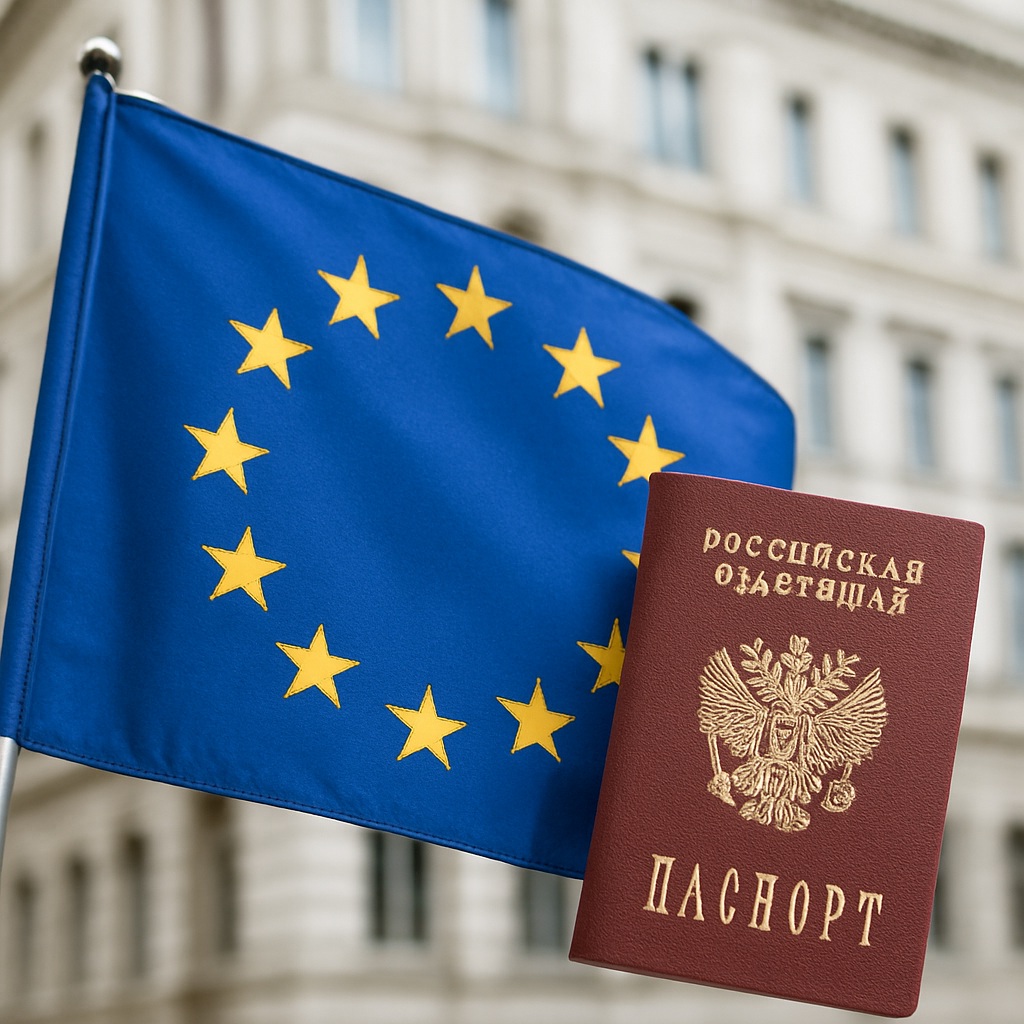
Ukraine war and suspected sabotage prompt sweeping shift in Schengen policy
The European Union is preparing to significantly restrict the ability of Russian nationals to obtain multi-entry visas for travel across the Schengen area, marking one of the most consequential shifts in European visa policy since the start of the war in Ukraine. Senior officials say the move reflects rising concern that Russia’s conflict is spilling into Europe through espionage, cyberattacks and alleged sabotage attempts.
The decision stops short of instituting a full travel ban on Russians, but it represents a decisive tightening of the bloc’s long-term, repeat-entry visa permissions. Under the new guidance, Russian applicants will no longer qualify for multi-entry visas that previously allowed frequent travel across Europe. Instead, consulates will issue only limited-purpose, single-entry visas after stricter security screening.
European intelligence services have warned for months about what they describe as a pattern of suspicious Russian activity targeting critical infrastructure, energy networks and political institutions. Officials involved in the visa discussions say these warnings were key to accelerating the policy change.
“They are exploiting the openness of our visa system,” one EU official said. “We are dealing with a different security reality. This is not about punishing ordinary people—it is about protecting Europe.”
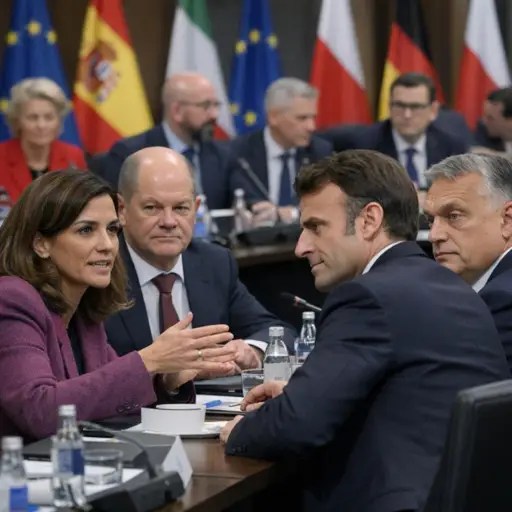
The debate over Russian travel access has sharply divided EU capitals since the war began. Governments in Eastern Europe have long advocated for tighter controls, arguing that Russia’s hybrid warfare tactics—ranging from disinformation campaigns to covert sabotage—require a restrictive posture. Others have urged the bloc to maintain channels for cultural and societal contact with ordinary Russian citizens, many of whom oppose the war.
The new rules seek to balance these competing pressures. While humanitarian visas, family reunification requests and study-related travel will remain possible, officials acknowledge that approval rates are likely to fall as security reviews intensify. Border agencies are preparing for increased workloads as they examine applicants’ backgrounds, travel histories and possible risk flags.
The shift will have substantial practical consequences for Russian citizens who travel regularly for family, academic or business reasons. Tourism sectors in several EU states may also feel the impact, though governments insist that security concerns now outweigh economic considerations.
The Kremlin has condemned the EU’s move as politically motivated discrimination. Russian officials accuse European governments of using security justifications as a pretext to isolate Russian citizens. Moscow has hinted at reciprocal measures and further restrictions on European organizations operating inside Russia.
Meanwhile, European security agencies report a rise in suspicious activity involving rail networks, communications hubs and energy facilities. While investigations continue, authorities say the incidents fit a broader pattern consistent with Russian hybrid operations. These concerns have hardened political attitudes across the bloc, including in member states that previously favored maintaining diplomatic engagement with Moscow.
EU diplomats stress that Europe remains open to legitimate travelers but can no longer afford a system vulnerable to exploitation. “We are not closing the door,” another official said. “But we are installing more locks.”
The new visa restrictions are expected to remain in place as long as the war and associated security threats persist. As tensions with Moscow deepen, further tightening of travel rules, border controls and sanctions remains under discussion. European leaders emphasize that the move signals a broader shift: a Europe more conscious of its security exposure, and less willing to assume the risks once tolerated in peacetime.



 The Tower Post