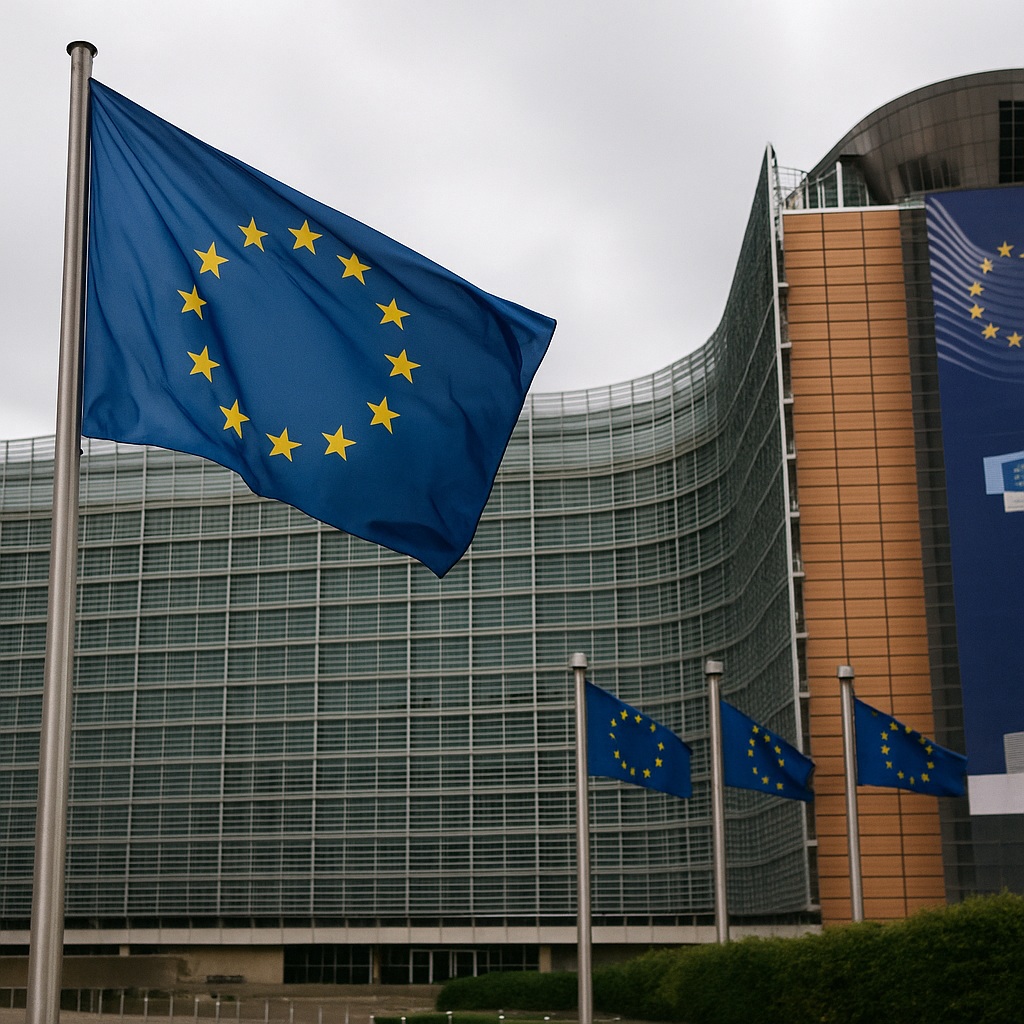
Under pressure from industry, member states, and markets, the European Commission prepares to narrow and streamline ESG rules

Europe’s agenda for environmental, social, and governance (ESG) regulation is entering a new phase of political and economic pragmatism, as the European Commission—steered by Executive Vice-President Valdis Dombrovskis—signals a significant recalibration of the bloc’s sustainability framework. The move reflects a growing backlash from businesses and policymakers who say the rules have grown too complex, too prescriptive, and too costly to implement.
The shift marks a decisive moment for the EU’s climate and sustainability ambitions. For years, Brussels positioned itself as the global standard-setter for ESG policy, driving a wave of disclosures, taxonomies, and due-diligence requirements that reverberated across global markets. Now, amid slowing economic growth, investor fatigue, and political pressures, the Commission is acknowledging the need for a more streamlined, targeted approach.
Market participants have long warned that the regulatory landscape—spanning corporate reporting obligations, sustainable finance classifications, and supply-chain oversight—had become burdensome. Even firms supportive of the broader sustainability agenda argued that compliance required extensive data gathering and unfamiliar methodologies, with smaller businesses particularly constrained. Financial institutions expressed concern that the EU’s rigid definitions risked limiting capital allocation instead of enabling it.
Behind the political shift lies a broader recalculation within member states. Several capitals have pressed Brussels to reassess the balance between ambition and feasibility, especially as industries confront rising costs and increased international competition. For the first time, the Commission appears ready to validate those concerns publicly, proposing measures to simplify reporting structures, reduce overlapping requirements, and clarify technical guidance.
For advocates of sustainability, the EU’s reassessment lands at a sensitive moment. Global interest in ESG has cooled, with critics questioning its effectiveness and investors demanding clearer, more financially grounded frameworks. Yet supporters stress that simplification does not necessarily imply weakening. They argue that a more coherent system could restore confidence and drive adoption, particularly if the Commission focuses on materiality, transparency, and enforceability over expansive theoretical constructs.
Political dynamics across the continent have also shaped the debate. In various national elections, parties skeptical of ESG mandates have gained ground, framing sustainability rules as symbols of overreach. While the Commission denies that its recalibration is politically motivated, officials acknowledge that broad acceptance will be essential for long-term success. In this context, simplifying ESG rules may prove a strategic concession aimed at avoiding deeper pushback.
Financial markets are watching closely. Asset managers say a more concise regulatory environment could enhance comparability and reduce compliance risk, potentially revitalizing segments of the sustainable investment market. Corporate executives, meanwhile, see an opportunity to refocus on strategic transition plans rather than managing administrative burdens.
The Commission’s upcoming proposals are expected to concentrate on reducing duplicative disclosures, narrowing definitions within the taxonomy, and providing clearer pathways for transition-aligned financing. Stakeholders anticipate a more proportional approach for small and mid-sized companies, as well as refined guidance for banks seeking to classify sustainability-linked activities.
What is emerging is not an abandonment of the EU’s sustainability ambitions but a shift toward operational realism. Brussels appears prepared to acknowledge that the pace and scale of past regulatory expansion may have outstripped implementation capacity. By pursuing a more streamlined model, the Commission aims to preserve credibility while ensuring that ESG frameworks remain practical and economically viable.
As Europe navigates competitive pressures from global markets and internal political debates, the evolution of its ESG policy will serve as a bellwether for its broader economic strategy. A simpler, more targeted regulatory architecture may prove essential to sustaining the continent’s leadership in sustainable finance—while avoiding the risk of overextension that could undermine the long-term credibility of the project.
For now, markets, policymakers, and corporations are bracing for a new chapter in Europe’s sustainability agenda: one defined less by expansion, and more by consolidation, clarity, and strategic focus.


 The Tower Post