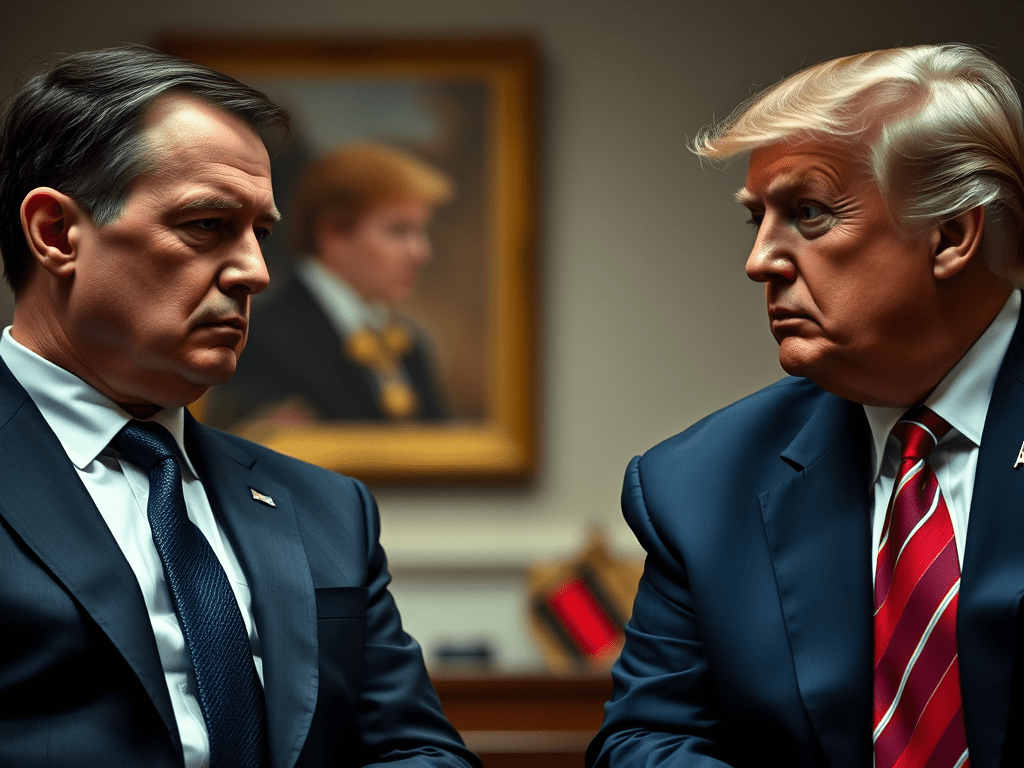
Hungarian Prime Minister’s visit underscores widening strategic rifts between the U.S. and parts of Europe
In Washington, the forthcoming visit of Hungarian Prime Minister Viktor Orbán is shaping up to be one of the most scrutinized diplomatic engagements of the season. The trip, set against intensifying debate over Russian energy imports and persistent divisions over the war in Ukraine, underscores the diverging paths that the United States and some European allies have taken on handling Moscow.
Orbán’s government has continued to rely heavily on Russian oil and gas, citing energy security concerns and insisting that abrupt diversification could destabilize Hungary’s economy. While the European Union has pushed toward sharper reductions in reliance on Russian fossil fuels, Budapest has repeatedly softened or stalled collective measures, arguing that its national interests are at stake.
Senior U.S. officials say the talks in Washington will focus on energy resilience, sanctions coordination, and the broader security environment in Eastern Europe. Behind closed doors, however, the issues are expected to be more pointed. The United States has grown increasingly frustrated with Budapest’s stance on sanctions and military aid, especially as Ukraine’s battlefield position becomes more precarious and Western unity more critical.
Orbán has cast his position as pragmatic rather than ideological, claiming that Europe must recognize the long-term need for negotiated solutions rather than indefinite military escalation. But critics within the EU and the transatlantic policy sphere argue that Budapest’s overtures toward Moscow—economic, diplomatic, and rhetorical—risk undermining collective leverage at a time when unity is essential.
Analysts note that the Washington visit also reflects Orbán’s efforts to strengthen ties with political actors who share his skepticism toward expansive Western commitments in Eastern Europe. His meetings will likely extend beyond official government channels, tapping into networks that echo his positions on national sovereignty, migration, and limits on EU authority.
For the U.S., the challenge will be balancing diplomatic engagement with a clear message that security coordination requires consistency. Although Washington has maintained open lines of communication with Budapest, officials say they will press for greater alignment on energy policy and continued support for Ukraine’s defense.
As Hungary positions itself at the intersection of economic necessity and geopolitical friction, Orbán’s visit may mark a critical moment in his relationship with Washington. Whether the meetings ease tensions or widen the existing rifts remains uncertain, but the stakes—for Ukraine, for European cohesion, and for U.S. strategic planning—are undeniably high.



 The Tower Post