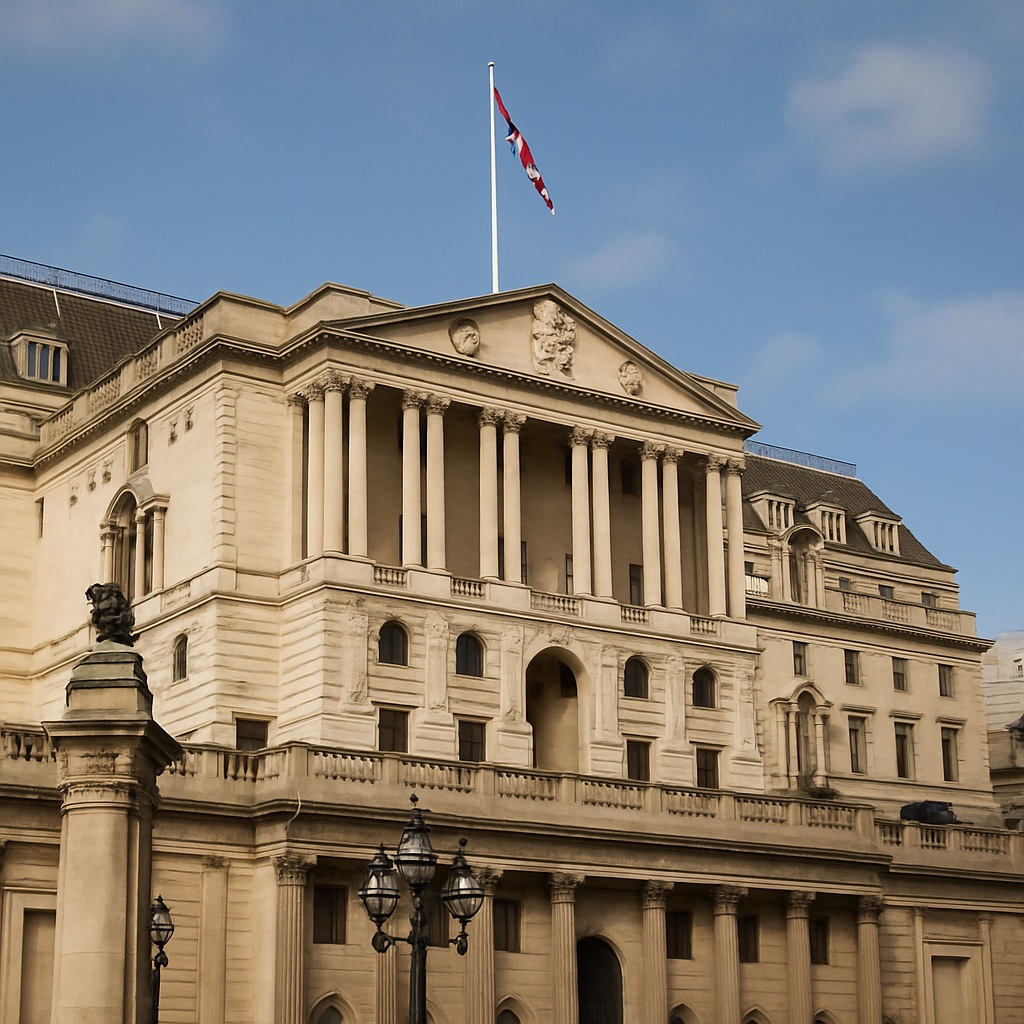
Policymakers Balance Conditional Optimism Against Global Uncertainty

In early November, the Bank of England decided to maintain its benchmark interest rate, signaling a cautious but stabilizing economic outlook. While the central bank chose not to adjust the cost of borrowing, its messaging made clear that a rate reduction remains possible before the end of the year, contingent on incoming data related to inflation, employment, and wage dynamics.
Financial analysts interpreted the decision as a strategic pause rather than a definitive stance. The Monetary Policy Committee emphasized that inflation appears to be gradually easing and that any future rate cut would depend on evidence demonstrating sustained progress toward the Bank’s long-term price stability objectives.
Across the domestic economy, indicators present a mixed but moderately encouraging landscape. Price pressures have softened in several key sectors, and business sentiment surveys show incremental improvement. However, households continue to face elevated living costs, and consumer confidence remains muted. Labour‑market conditions—particularly trends in hiring, unemployment, and real wage growth—are expected to play a decisive role in whether the Bank shifts to an easing posture.
International dynamics continue to complicate policymaking. Slowing growth in major trading partners, paired with heightened geopolitical tensions, has contributed to volatility in energy, commodities, and currency markets. These factors reinforce a risk‑aware approach from the Bank, which aims to avoid premature rate cuts that might revive inflationary pressures or destabilize financial markets.
Market participants have already begun pricing in the possibility of a policy shift before year‑end. Government bond yields adjusted modestly after the announcement, and equity markets reacted with measured optimism as investors positioned for the potential of lower borrowing costs.
For households and businesses, the Bank’s steady‑rate decision represents a temporary equilibrium: neither immediate relief nor looming tightening. Banks and lenders are preparing for potential adjustments in the rate environment, while still advising clients to operate with caution as economic signals continue to shift.
The trajectory of monetary policy over the coming weeks will hinge on new inflation figures along with fresh labour‑market data. Should price pressures continue to ease and employment conditions exhibit resilience, the rationale for a rate cut will strengthen. Conversely, any signs of renewed inflation or labour‑market deterioration could prompt the Bank to extend its pause.
In a climate characterized by global uncertainty, the Bank of England’s message is one of conditional optimism and disciplined vigilance. Policymakers remain prepared to adjust their stance as economic conditions evolve, with the twin goals of restoring price stability and supporting sustainable growth guiding every decision.