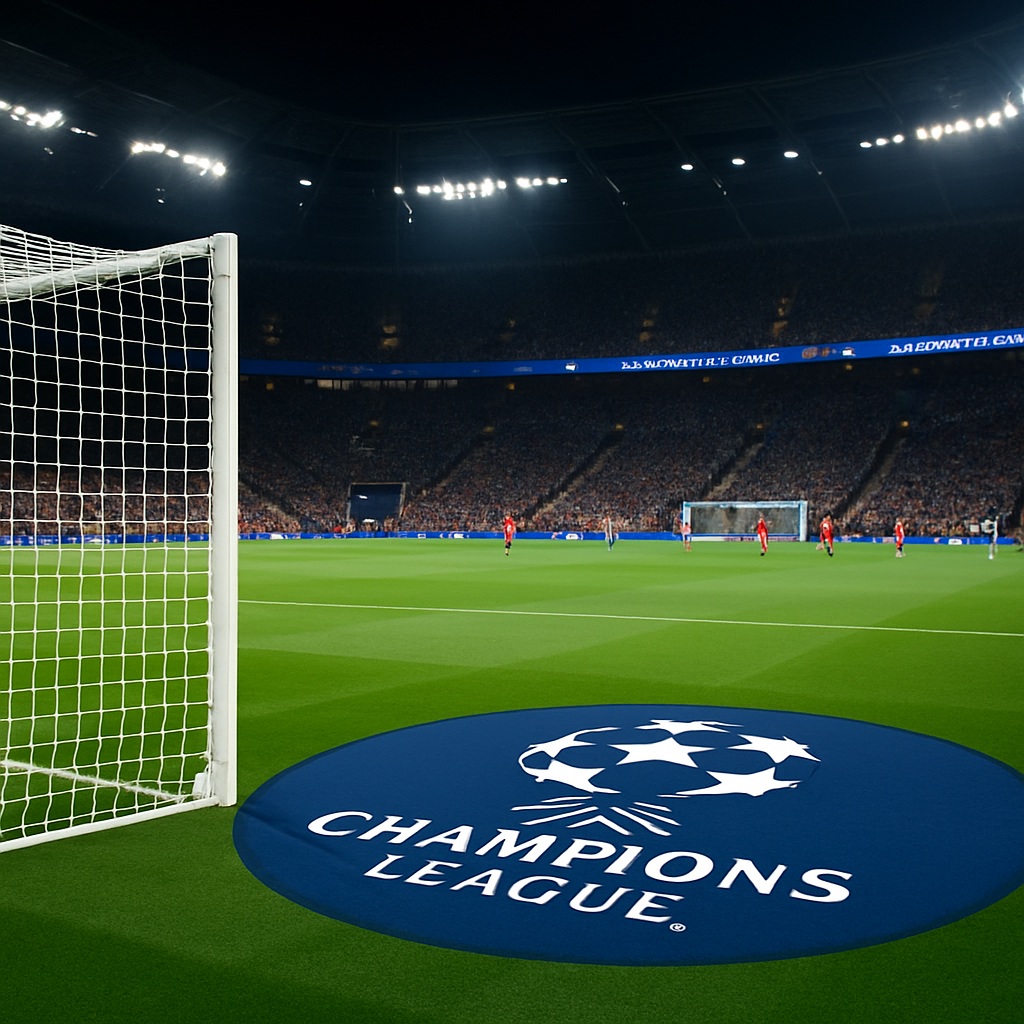
As elite clubs brace for decisive fixtures, football’s global economy and cultural identity converge
Europe’s Champions League weekend arrives at a moment when the continent’s footballing landscape is being reshaped by power, money, and global ambition. The matches ahead represent more than tactical clashes or table stakes; they have become a referendum on the modern state of the sport—its values, its economic order, and its future as a global entertainment product.
Across Europe, leading clubs enter the weekend with heightened scrutiny. Executives and supporters alike emphasize how the Champions League has become the ultimate branding mechanism—one that determines not only competitive progress but institutional relevance. Coaches speak of footballing identity, while commercial directors analyze engagement metrics. In this ecosystem, victory delivers more than points; it secures positioning within a global marketplace of attention and prestige.
The competitive edge remains sharp. Managers face questions about squad durability, tactical evolution, and psychological readiness. The modern Champions League requires resilience across congested calendars, and this weekend’s fixtures are framed as defining moments—opportunities for clubs to assert dominance or reclaim narrative control. For teams operating under transition, the pressure is acute: performances now serve as indicators of strategic direction, guiding both internal evaluations and market assumptions.
Yet the moral dimension carries equal weight. The sport’s expanding capital flows, investment structures, and geopolitical entanglements have intensified conversation about what the Champions League represents beyond the pitch. Fans debate whether the modern competition still reflects its historical spirit or if commercial imperatives have eclipsed competitive purity. This weekend’s matches are thus positioned within a broader debate, one that asks whether football’s global evolution enhances or complicates its core identity.
Broadcasters, sponsors, and digital platforms prepare for another weekend of record audience numbers. Analysts predict surges in streaming viewership, particularly in international markets where European football has become a central cultural export. For clubs seeking commercial leverage, global resonance is as critical as match results. Their strategies—from brand partnerships to media storytelling—intersect directly with Champions League performance.
On the pitch, players sense the weight of the moment. Veterans speak of legacy; emerging talents view these matches as career-defining showcases. The competition creates stages that amplify individual narratives—redemption arcs, rising-star trajectories, and tactical masterclasses. Whether through disciplined defending, dynamic pressing, or moments of individual brilliance, this weekend’s performances will shape reputations and recalibrate expectations.
Off the pitch, the financial implications remain vast. Champions League advancement influences sponsorship tiers, broadcasting shares, and transfer market strategies. A single victory can shift a club’s seasonal outlook; a poor result may accelerate internal reform. As such, boards and sporting directors approach this weekend not as isolated sporting events but as catalysts within a broader business model.
Ultimately, this Champions League weekend symbolizes a convergence: football as competition, football as commerce, and football as culture. It is a reminder that Europe’s elite clubs now operate at the nexus of athletic ambition and global enterprise. The stakes extend beyond qualification scenarios—they reach into the moral and economic foundations of the contemporary game.
As teams, supporters, and markets prepare, the prevailing narrative remains clear. This is a weekend of consequence, a moment of truth for institutions striving to balance heritage with ambition, tradition with transformation, and competitive integrity with global influence.



 The Tower Post