
One-year waiver on Russian energy imports gives Budapest a political boost and tests EU cohesion
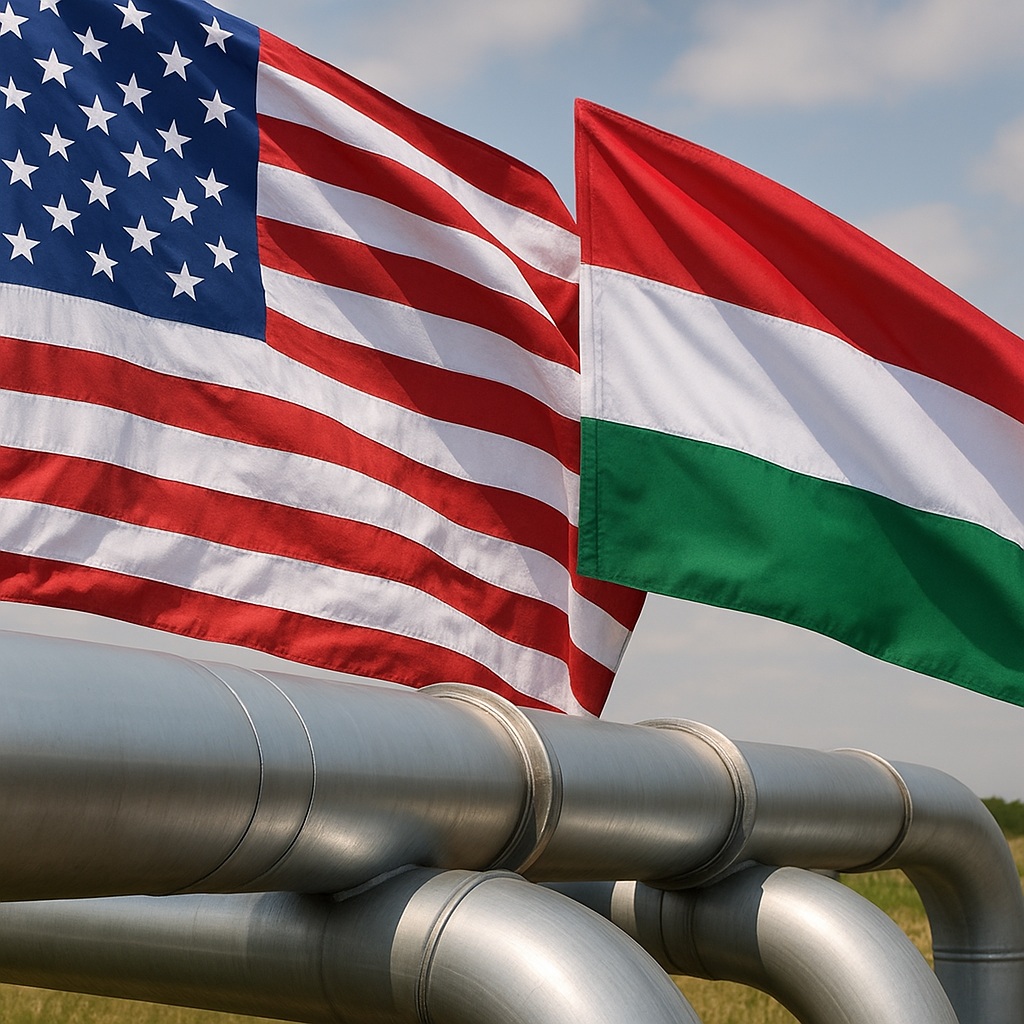
As of mid-November 2025, Hungary has secured a one-year exemption from United States sanctions on Russian oil and gas imports, following Prime Minister Viktor Orbán’s high‑profile visit to Washington. The concession, confirmed by senior U.S. administration officials, marks a rare unilateral carve‑out amid tightening transatlantic measures against Moscow’s energy revenues.
The agreement represents a significant political victory for Orbán, who has long positioned himself as Europe’s most vocal advocate for maintaining pragmatic energy ties with Russia. In domestic terms, the
waiver bolsters his narrative that Hungary can preserve economic stability while resisting pressure from Brussels and other EU capitals. With national elections approaching, the deal is expected to feature prominently in government messaging that emphasizes sovereignty and strategic autonomy.
According to U.S. officials familiar with the negotiations, the Biden administration concluded that Hungary’s near‑total dependence on Russian pipeline gas and crude left the country uniquely vulnerable to market shocks. Washington’s decision reportedly reflects a combination of geopolitical pragmatism, a desire to preserve NATO unity, and an acknowledgment of the limits of Hungary’s short‑term diversification options.
The exemption, however, immediately raised concerns inside the European Union. Several diplomats privately characterized the U.S. decision as a political “favor” to Orbán that risks undermining the EU’s common sanctions regime. While the bloc’s measures contain limited derogations, none match the scope or duration of the American waiver.
Energy analysts noted that the deal could complicate ongoing EU debates over energy decoupling from Russia, particularly as Budapest has consistently vetoed or diluted sanctions packages targeting Russian hydrocarbons. Critics fear that Washington’s carve‑out may embolden Orbán to sustain his obstructionist approach within EU forums, especially on files related to Ukraine and strategic autonomy.
For the Hungarian government, the exemption provides invaluable breathing room. Budapest has argued that abrupt restrictions on Russian imports would trigger price spikes, jeopardize industrial output, and place disproportionate strain on households already navigating inflationary pressures. The government has pledged to continue incremental diversification efforts but insists that a longer-term horizon is necessary for meaningful change.
In Washington, the administration has maintained that the waiver is strictly temporary and subject to review. Senior officials emphasized that the U.S. remains committed to curbing Russia’s energy revenues and expects Budapest to demonstrate tangible progress in reducing its reliance on Moscow during the exemption period.
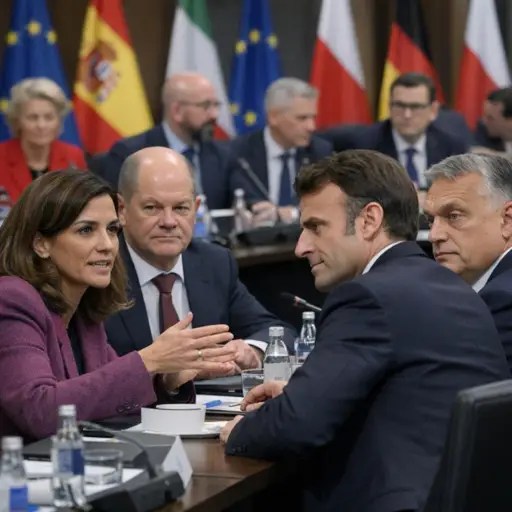
European observers will closely watch how the arrangement reverberates within the EU, particularly as member states grapple with fragmented positions on Russia policy. While some capitals sympathize with Hungary’s structural constraints, others worry that the U.S. decision may fracture transatlantic alignment at a delicate moment.
Ultimately, Orbán’s Washington victory underscores a central tension in European security policy: the balance between national energy realities and collective geopolitical strategy. As Hungary leverages its temporary reprieve, the political implications—both within the country and across the EU—are only beginning to unfold.



 The Tower Post