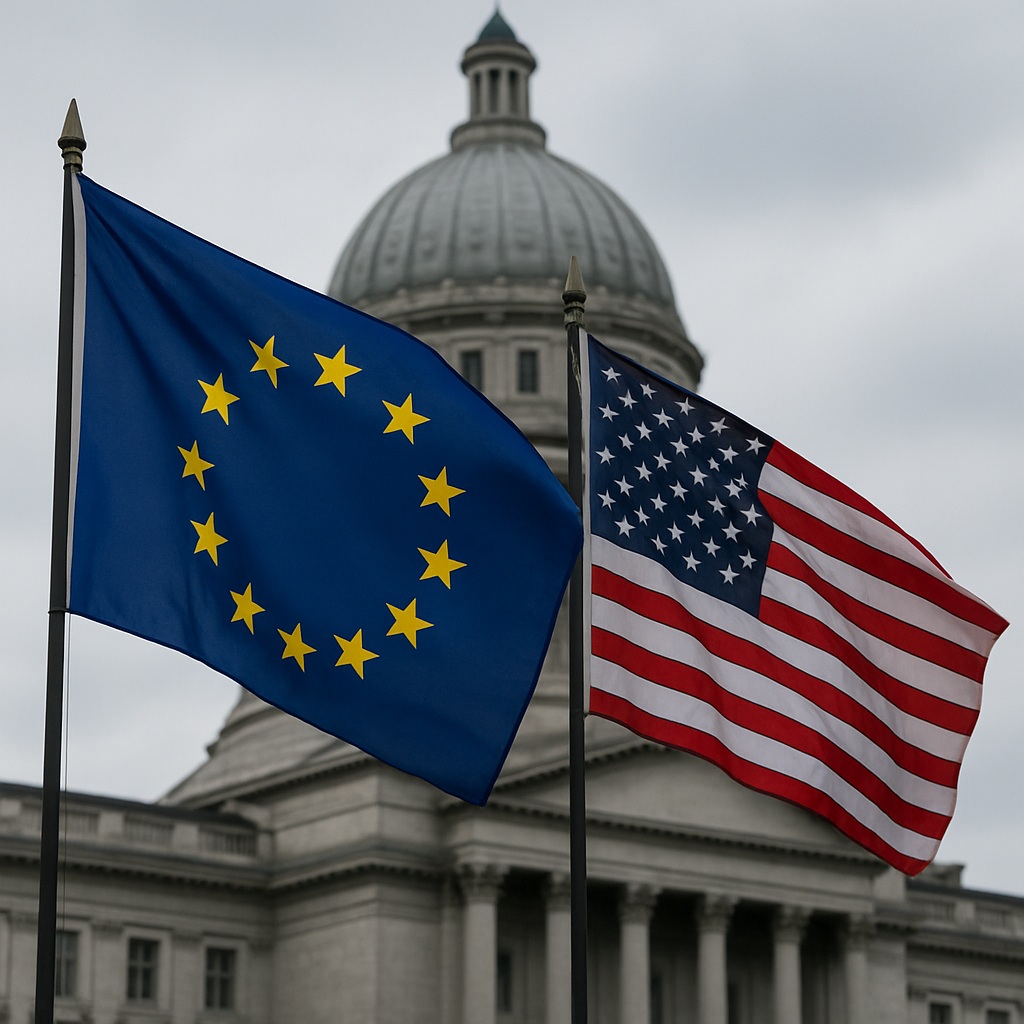
A deepening transatlantic alignment on Russia emerges as the US quietly backs Europe’s strategy to fund Ukraine’s recovery and defense
In a significant development underscoring intensifying transatlantic coordination on Russia, senior U.S. officials have signaled support for the European Union’s plan to use immobilized Russian state assets to help finance Ukraine’s wartime resilience and future reconstruction. The confirmation, provided by a U.S. source familiar with internal discussions, reflects Washington’s growing openness to innovative financial mechanisms designed to sustain Kyiv’s capabilities as the conflict grinds on.
According to the source, the United States views the European approach—centered on channeling profits generated from frozen Russian central bank assets—as a “legitimate and necessary component” of long‑term assistance. While Washington remains cautious about directly seizing sovereign funds, it has privately endorsed the EU’s framework as both legally defensible and strategically timely. The backing comes at a moment when Ukraine faces mounting operational pressures, and Western capitals confront constraints on traditional budget-based support.
The endorsement also arrives amid a broader recalibration of U.S. policy toward Russia, driven by evolving battlefield dynamics and Kyiv’s ongoing need for material, economic, and defensive aid. U.S. and EU officials have increasingly recognized that sustaining Ukraine through conventional appropriations alone may prove insufficient. Redirecting the windfall profits from Russian assets—currently held across Europe—has therefore emerged as a pragmatic, politically palatable alternative.
Brussels has been refining its legal architecture for months, crafting a system that channels financial yields from immobilized Russian funds into a dedicated support mechanism for Ukraine. The sums involved are significant and could provide a predictable, multi‑year revenue stream. European diplomats say Washington’s support strengthens the legal and geopolitical standing of the initiative, making it more difficult for Moscow to challenge the move in international forums.
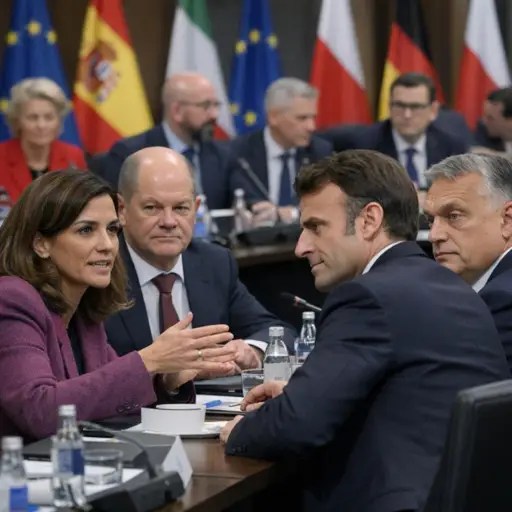
Still, the alignment masks underlying tensions. While the United States and the European Union are broadly united on strategic objectives in Ukraine, frictions persist in sectors ranging from trade policy to industrial subsidies and technology regulation. U.S. officials privately acknowledge that the coordination on Russia is not immune to these strains, though both sides increasingly view Ukraine as the overriding priority.
European policymakers have welcomed Washington’s backing as a meaningful step toward a more synchronized transatlantic effort. Analysts note that the endorsement may also encourage additional partners—particularly in the G7—to deepen exploration of similar financial measures.
For Ukraine, the emerging consensus represents more than diplomatic symbolism. Kyiv’s leadership has repeatedly emphasized the need for stable, forward‑looking funding to sustain defensive operations, restore critical infrastructure, and lay the groundwork for post‑war recovery. The prospect of tapping financial flows derived from Russia’s own sovereign reserves carries both economic and political resonance, offering a tangible demonstration of Western resolve.
As discussions continue, officials on both sides of the Atlantic stress that the initiative remains subject to legal refinements and political consultations. However, with Washington signaling its readiness to stand behind the EU’s approach, momentum appears to be building toward a coordinated financial architecture with the potential to reshape long‑term support for Ukraine.
The move also highlights a larger trend: despite periodic disagreements on trade, technology, and regulatory policy, the United States and Europe are converging on a shared strategic posture toward Russia. In doing so, they are redefining the contours of transatlantic cooperation—one calibrated to meet the challenges of a protracted conflict and the broader geopolitical realignments it continues to accelerate.



 The Tower Post