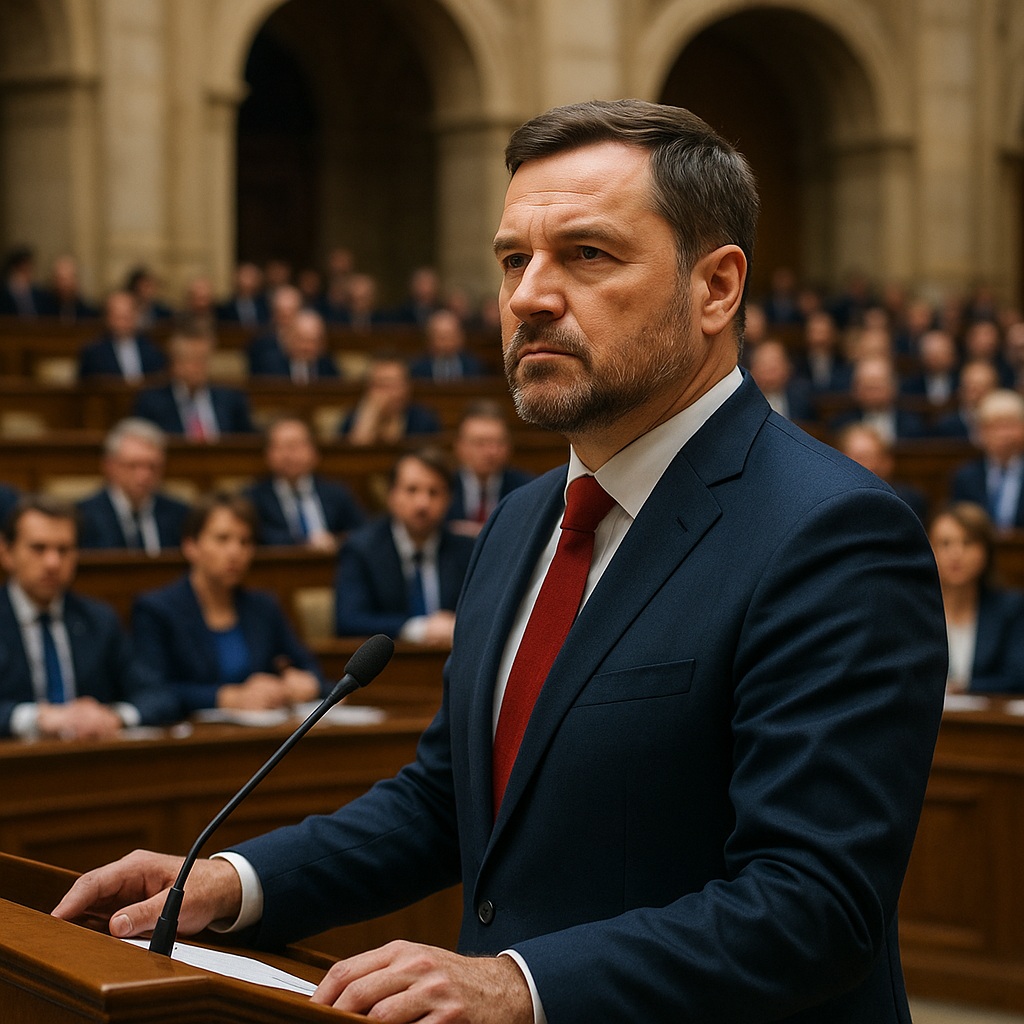
As nationalist figures assume speakership roles across Europe, analysts warn of potential shifts in legislative priorities and democratic norms.
The political landscape across Europe has entered a period of accelerated transformation as nationalist leaders secure speakership roles in multiple national parliaments. Once regarded as symbolic and largely procedural posts, these speakerships now carry greater significance amid rising polarization and shifting alliances within legislative chambers.
In several countries, nationalist parties have successfully negotiated or won the parliamentary majority needed to elevate their candidates to the top administrative role. The position of speaker—traditionally expected to enforce neutrality—has become a focal point for the broader debate about Europe’s political direction. Analysts note that while the formal powers of a speaker are bounded by established procedural rules, the influence they exert over legislative timetables, priorities, and tone is substantial.
The elevation of these nationalist speakers has unsettled centrists and opposition parties, who worry that parliamentary neutrality may be eroded. Early signs are mixed: some speakers have emphasized adherence to institutional norms, while others have used inaugural speeches to signal assertive positions on national sovereignty, immigration, and cultural protections. Such statements, even when symbolic, have immediate implications for domestic debates and international perception.
Civil-society organizations across Europe have voiced concerns that the cumulative effect of these appointments could reshape norms within legislative environments. Questions have arisen regarding the distribution of committee assignments, access to speaking time, and the handling of dissent, particularly in parliaments where nationalist blocs hold significant influence. Though no major procedural disruptions have been recorded, watchdog groups warn that structural pressures may become more visible as contentious legislation reaches the floor.
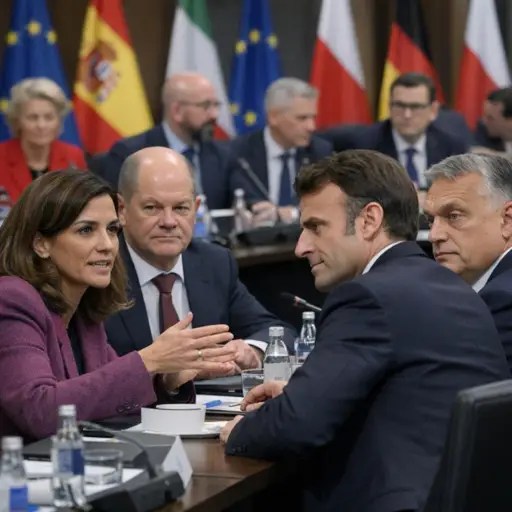
The shift also carries diplomatic implications. Parliament speakers frequently participate in inter-parliamentary councils, international forums, and bilateral meetings. Nationalist figures occupying these roles have already introduced more forceful language on sovereignty and cultural identity, complicating efforts to achieve consensus on issues such as migration coordination, environmental regulation, and treaty modernization.
The timing of these developments has attracted attention. Each November, Europe engages in extensive public reflection on its shared history and the fragility of democratic institutions. Against this backdrop, the rise of nationalist speakers introduces a symbolic tension between the continent’s long-standing commitment to integration and the resurgence of domestic-centered political narratives.
Supporters of the nationalist speakers argue that the appointments reflect a democratic realignment rather than a threat. They contend that many voters feel unrepresented by centrist parties and welcome leaders who articulate concerns surrounding economic insecurity, social cohesion, and cultural continuity. For these constituents, the speakerships represent a legitimate rebalancing of political authority.
However, constitutional scholars maintain that the durability of parliamentary neutrality will depend on how these speakers navigate upcoming legislative cycles. With Europe facing external pressures—from regional instability to shifting trade dynamics—internal political cohesion will be tested. The conduct of parliamentary leadership will play an essential role in shaping how effectively national institutions respond.
As the year closes, one point has become increasingly evident: nationalist parties are no longer influencing politics solely from the backbenches. Their presence now extends to the procedural heart of Europe’s legislatures, raising questions about the future of democratic norms and the evolving relationship between national identity and continental governance.



 The Tower Post