With major emitters absent from a pivotal climate summit, Europe confronts mounting diplomatic and financial pressure

In early November, as global policymakers converged for COP30, an unexpected geopolitical void took center stage: the absence of the world’s three largest greenhouse‑gas emitters. The United States, China, and India—nations whose collective emissions define the trajectory of global warming—declined to attend the summit, leaving negotiators, activists, and smaller states scrambling for signals of leadership.
Their absence was neither ceremonial nor symbolic. COP30 was framed as a crucial checkpoint for the global community’s efforts to close the widening gap between national pledges and the emissions cuts required to maintain any credible chance of limiting catastrophic warming. Yet without the participation of the most consequential actors, the diplomatic architecture appeared fundamentally unbalanced.
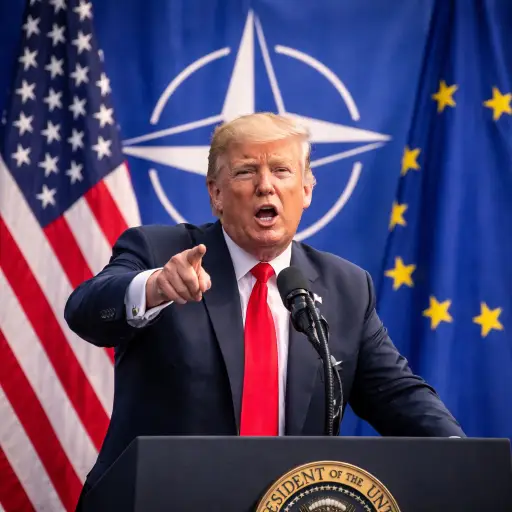
European officials, arriving with sharpened policy proposals and expanded funding commitments, found themselves thrust into an outsized role. The European Union, already the most aggressive major bloc in emissions mitigation, entered COP30 prepared to fund additional climate‑financing instruments and strengthen cross‑border carbon measures. Instead, it discovered that it had become the default standard‑bearer for the summit’s credibility.
European negotiators acknowledged the strain. Behind closed doors, diplomats described a growing concern that the bloc’s political bandwidth and financial capacity may be reaching saturation. With inflationary pressures still reverberating across member states and industries adjusting to ambitious decarbonization mandates, the sudden expectation that Europe should fill a global leadership vacuum risked stoking internal political tensions.
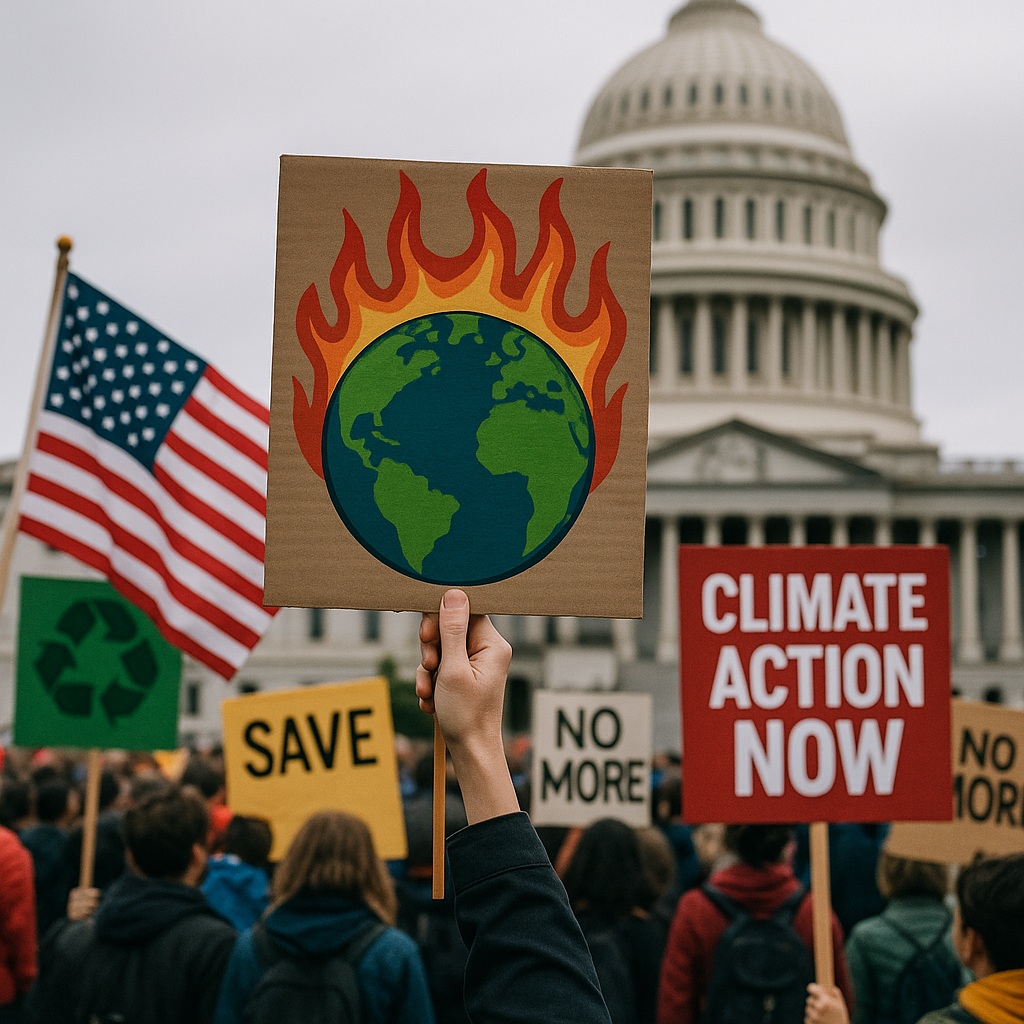
The absence of the top emitters also rattled delegates from climate‑vulnerable nations. Leaders from small island states and low‑income countries, whose adaptation needs are escalating sharply, voiced frustration that those most responsible for climate destabilization were missing from a summit meant to reinforce global solidarity. Many expressed fear that negotiations could drift toward symbolic declarations rather than hard commitments.
Observers noted a series of diverging narratives. While Europe emphasized continuity, accountability, and multilateral frameworks, several emerging economies pushed for more flexible transition paths that protect domestic energy security. Without the counterweight of the major emitters to balance these positions, the negotiating dynamics became increasingly asymmetric.
The geopolitical ramifications extend beyond COP30. Analysts warn that chronic disengagement by top emitters could undermine long‑term confidence in global climate governance. Without their sustained participation, the Paris Agreement’s collaborative framework risks degenerating into a patchwork of regional initiatives—fragmented, inconsistent, and insufficient.
Still, COP30 was not without momentum. European-led alliances advanced proposals for expanding clean‑energy investment corridors, enhancing private‑sector climate disclosure standards, and accelerating methane‑reduction efforts. Several Latin American and African nations signaled they were prepared to deepen renewable‑energy partnerships, viewing Europe as a reliable interlocutor despite its constraints.
Yet these gains were overshadowed by a broader question: can a climate summit remain genuinely global when its most influential players are absent? For many attendees, the answer remained unsettled. As COP30 closed, the summit’s final communique reflected a careful blend of ambition and caution, acknowledging progress while underscoring the necessity of renewed engagement by all major economies.
For Europe, the road ahead is complex. Its willingness to lead in the absence of others has positioned it as a diplomatic anchor, but at a cost. Whether the bloc can sustain this expanded role—or whether the major emitters will eventually return to the negotiating table—may determine the trajectory of global climate action in the years to come.