
Europe and Latin America Reaffirm Strategic Ties at the Fourth EU–CELAC Summit
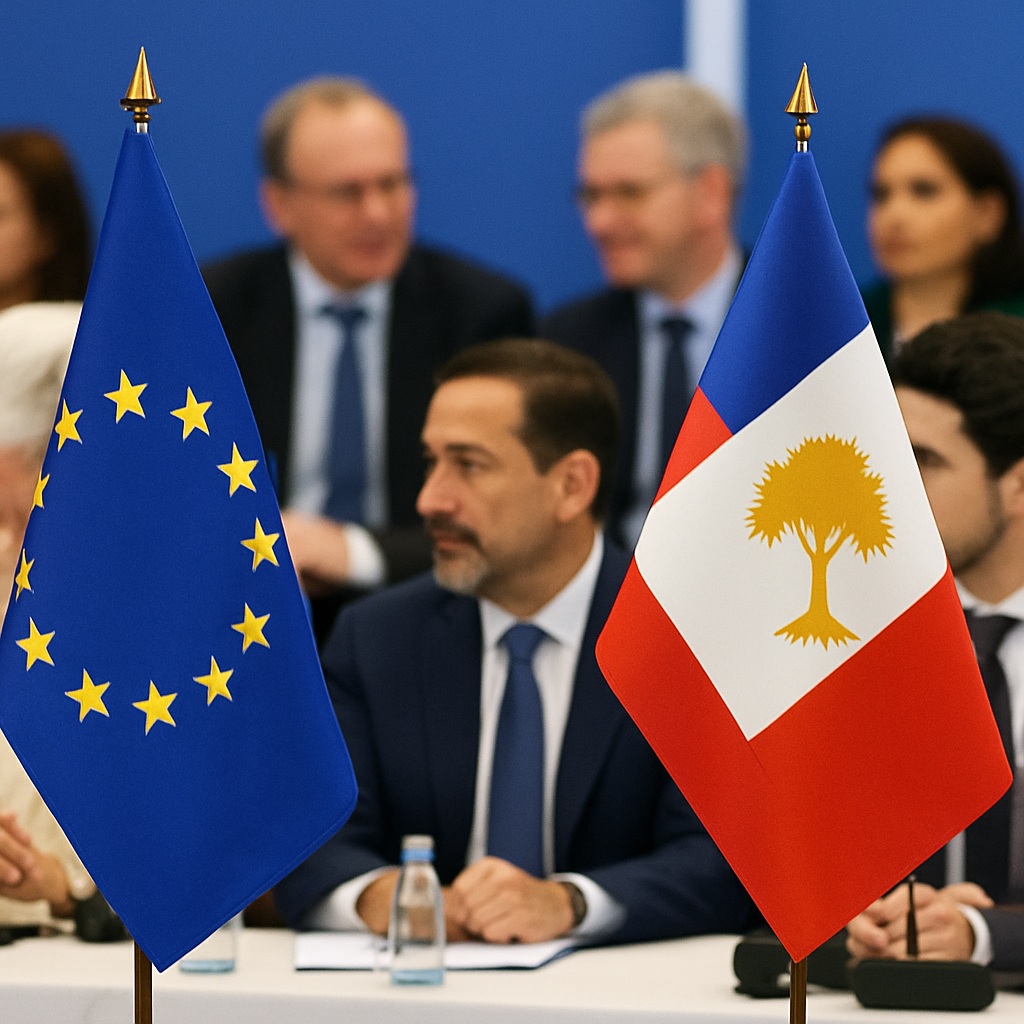
The latest summit between the European Union and the Community of Latin American and Caribbean States unfolded against a backdrop of geopolitical fragmentation, economic uncertainty, and rising competition among global powers. Held in early November, the fourth meeting between the blocs became a platform for reasserting a shared commitment to multilateralism, democratic values, and socio‑economic cooperation. While the global landscape has changed significantly since the two regions last convened at this level, both sides emphasized that their relationship remains not only relevant but indispensable.
The summit demonstrated a renewed willingness to coordinate responses to global disruptions, ranging from supply‑chain instability to the challenges facing democratic governance. European leaders stressed the importance of deepening partnerships with societies that share political and cultural affinities, particularly as pressure mounts from shifting alliances across other major geopolitical actors. Latin American and Caribbean representatives, meanwhile, emphasized the need for balanced engagement, investment with clear social impact, and respect for the region’s strategic autonomy.
A central theme was the recognition that the contemporary geopolitical environment has become increasingly fragmented. Trade tensions among global powers, the reconfiguration of energy markets, and the acceleration of technological rivalries have prompted both Europe and Latin America to reassess their external partnerships. Against this backdrop, the summit’s participants sought to position the interregional relationship as a stabilizing force capable of shaping a “third path” centered on cooperation, responsible development, and democratic resilience.
During the discussions, the two blocs underscored the need to modernize political dialogue and adapt cooperation instruments to evolving realities. Although broad alignment persisted on core issues—such as sustainable development, digital transformation, and social inclusion—negotiators also confronted longstanding differences over trade frameworks, environmental commitments, and the pace of regulatory convergence. Still, participants pointed to a growing consensus that stronger institutional ties could help both regions navigate uncertainty more effectively.
The notion of “strategic convergence” emerged repeatedly as leaders addressed the urgency of greater collaboration in areas such as green transition policies, biodiversity protection, and renewable‑energy
supply chains. Europe voiced interest in supporting Latin America’s vast potential in critical minerals and clean‑energy production, while Latin American and Caribbean countries urged more equitable conditions, inclusive value‑chain development, and guarantees that environmental commitments would align with national development priorities.
Another prominent theme was digital governance. Both regions acknowledged that the rapid expansion of artificial intelligence, data‑driven business models, and cybersecurity threats requires shared principles and harmonized standards. The summit signaled an openness to collaborate on digital‑policy frameworks that protect citizens’ rights while promoting innovation and competition. For Europe, this aligns with its effort to shape global norms grounded in fundamental rights; for Latin America and the Caribbean, partnership offers an opportunity to build stronger digital ecosystems and reduce technological dependency.
Socio‑economic recovery also featured prominently, with discussions highlighting the uneven impacts of global crises. European leaders reiterated support for sustainable financing tools, inclusive growth, and expanded access to development instruments. Representatives from the Latin American and Caribbean region emphasized the urgency of tackling structural inequality, strengthening public institutions, and modernizing infrastructure—areas where coordinated investment could generate long‑term benefits.
While the summit did not resolve every outstanding issue, it marked a substantive reaffirmation of political will. In an era defined by polarization and competing global narratives, both sides positioned their partnership as a pragmatic and values‑driven alternative focused on cooperation rather than confrontation. Analysts note that the success of this renewed engagement will depend on the ability of both regions to translate political declarations into concrete programs, investments, and regulatory progress.
The fourth EU–CELAC Summit thus served as a reminder that, despite global fragmentation, Europe and Latin America retain a shared interest in reinforcing each other’s stability and prosperity. By revitalizing their strategic ties, the two blocs signaled a determination to shape a more balanced international landscape—one that leverages common principles to navigate uncertainty and foster collective resilience. As they move from dialogue to implementation, the credibility of this interregional partnership will hinge on sustained political commitment and tangible outcomes that benefit their societies on both sides of the Atlantic.




 The Tower Post