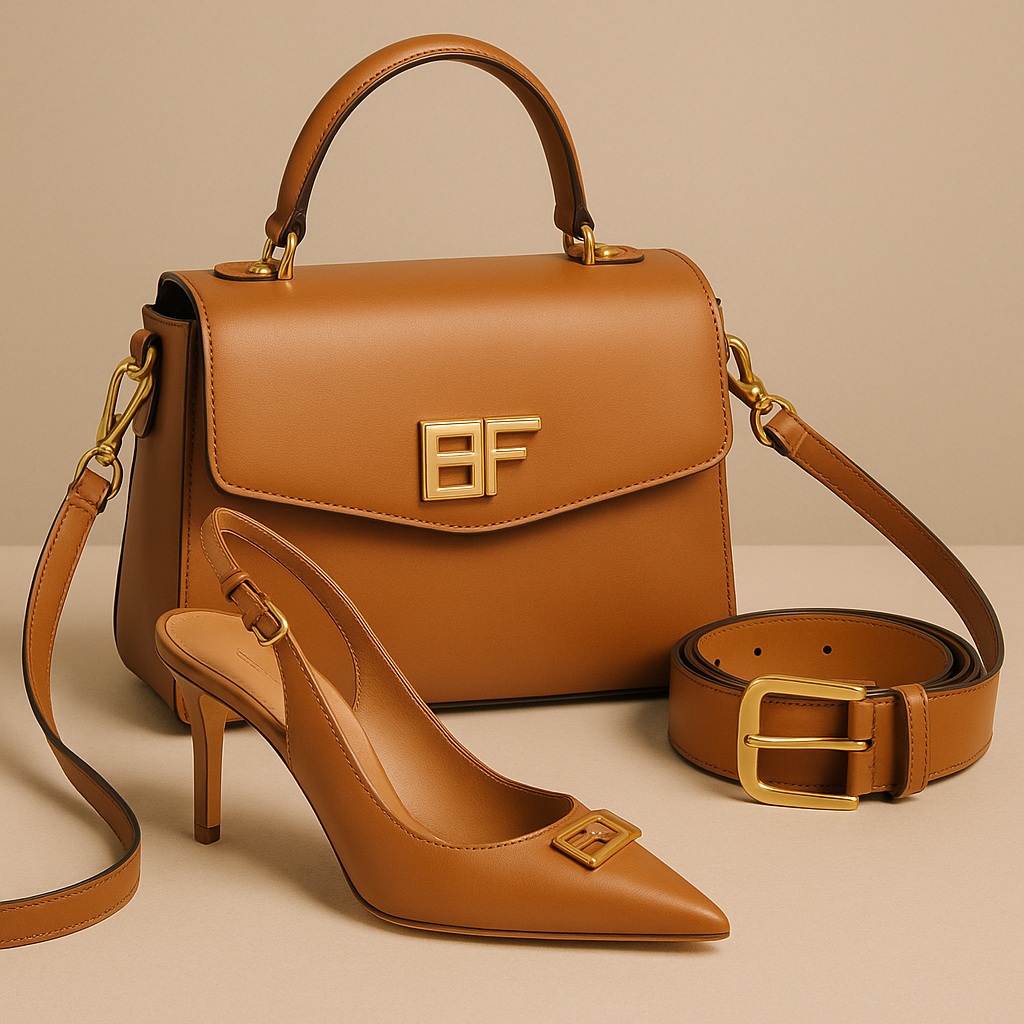
How the Italian label’s 2024 performance reflects evolving priorities across niche luxury brands.
In the shifting terrain of niche luxury fashion, Italian brand Elisabetta Franchi is emerging as a key indicator of how labels outside the mega‑luxury tier are recalibrating their long‑term strategies. The company reported €171 million in revenue for 2024—a performance that highlights both the resilience of the label and the clarity of its evolving direction. As the industry moves through mid‑November, the brand’s strategic pivot toward accessories is proving central to its forward momentum.
Across the luxury‑niche segment, brands have spent the past year adapting to increasingly selective consumer behavior. While affluent buyers continue to invest in high‑end goods, they now prioritize craftsmanship, authenticity, and products that feel meaningful rather than merely seasonal. Historically known for its structured silhouettes and eveningwear, Elisabetta Franchi has embraced this shift by elevating accessories from a support category to a core business pillar.
The renewed emphasis on handbags and small leather goods reflects both commercial logic and creative opportunity. Accessories offer higher margins and serve as an accessible entry point for new customers—an essential factor for labels seeking to expand their global footprint while maintaining a strong brand identity. For niche brands, signature accessories often become the defining “code” that cements recognition and loyalty.
Industry analysts note that the label’s investments in artisanal quality, materials innovation, and controlled distribution have positioned the accessories division for sustained growth. This mirrors a broader movement among European niche‑luxury labels, many of which are leaning into categories with longer life cycles and stronger repeat‑purchase dynamics.
Elisabetta Franchi’s strategy also reflects a shift toward integrated brand ecosystems. Instead of treating accessories as complementary add‑ons, the label is designing them as narrative extensions of its aesthetic DNA—sleek, feminine, architectural, and resolutely Italian. Consumers increasingly seek coherence across product categories, and this approach positions the brand to strengthen its emotional resonance in a saturated market.
As competition intensifies across the luxury landscape, niche brands must rely on tightly defined creative identities and agile product strategies. Elisabetta Franchi’s focus on accessories demonstrates a pragmatic yet imaginative response to these pressures. With the category now serving as a primary growth driver, the label is setting the stage for broader international visibility and deeper customer connection.
Its 2024 results serve as a reminder that even amid economic uncertainty, targeted innovation and product‑led storytelling can redefine a brand’s trajectory. For the evolving niche‑luxury sector, Elisabetta Franchi’s strategy may well become a template for future‑ready growth.




 The Tower Post