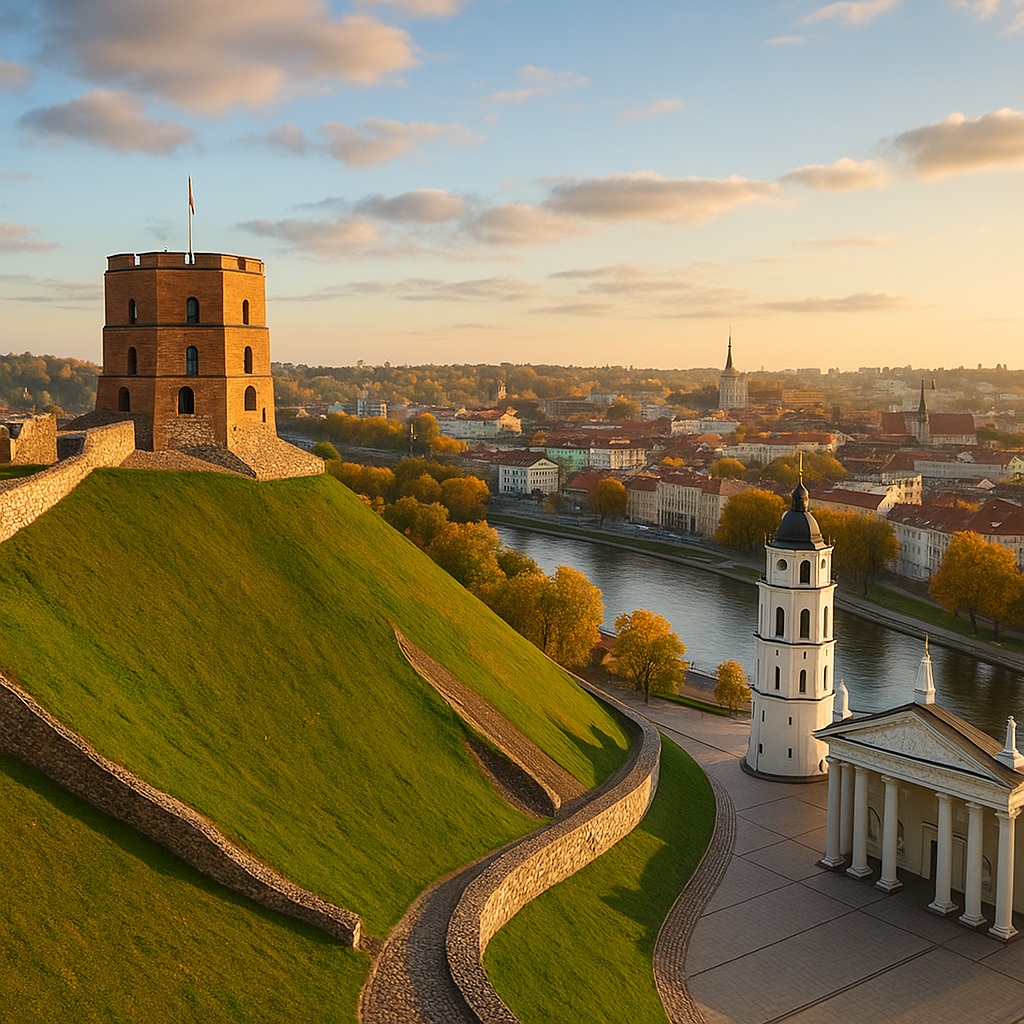
Record tourism growth and shifting travel patterns propel the Baltic nation ahead of Finland, Luxembourg, Ireland and Belgium
Lithuania has taken center stage in Europe’s tourism landscape, emerging as the continent’s most sought-after destination for 2025. The Baltic nation, long admired for its medieval streets, pristine forests, and vibrant cultural scene, now finds itself eclipsing traditional favorites such as Finland, Luxembourg, Ireland and Belgium. Analysts attribute this remarkable ascent to a combination of strategic investment, evolving traveler preferences, and the rediscovery of lesser-known European regions.
Over the past year, Lithuania has seen a surge in visitor numbers, significantly outperforming other mid-sized European countries. Industry insiders point to a new wave of experiential tourism sweeping across the continent. Travelers increasingly seek authenticity over spectacle, prioritizing meaningful cultural encounters, local food traditions, and destinations that feel unspoiled by mass tourism. Lithuania’s charming blend of historic cities, folklore-rich rural areas, and contemporary arts districts has made it a standout choice.
Vilnius, the capital, has become a magnet for trend-conscious travelers. Its booming creative scene, anchored by design collectives, indie galleries, and a thriving café culture, is drawing comparisons to Europe’s most dynamic urban hubs. Meanwhile, Kaunas and Klaipėda continue to flourish as gateways to the country’s architectural heritage and Baltic coastline. These cities have undergone significant revitalization, driven by careful urban planning and an emphasis on sustainability.
Another major factor behind Lithuania’s rise has been the country’s commitment to preserving natural landscapes. The push to promote eco-conscious tourism—supported by national parks, protected forest regions, and extensive cycling routes—has resonated strongly with younger travelers. Industry experts suggest that Lithuania’s environmental policies have positioned it at the forefront of Europe’s greener travel movement.
Regional analysts also highlight Lithuania’s strategic marketing efforts, which have successfully framed the country as both accessible and innovative. While neighboring Finland and Ireland continue to attract steady visitor flows, Lithuania’s dynamic promotional campaigns have carved out a fresh identity for the country as a modern yet soulful destination.
Local tourism officials remain optimistic, noting that the current momentum is helping broaden Lithuania’s global visibility. Hotels and small businesses across the country report heightened engagement from international guests, with many describing the influx as unprecedented. Culinary tourism has played an essential role as well: Lithuania’s burgeoning food scene, blending seasonal produce with reimagined traditional dishes, has become a major attraction in itself.
As Europe’s travel landscape evolves, Lithuania appears poised to remain at the forefront. Its mix of cultural richness, natural beauty, sustainability initiatives, and innovative tourism strategy has set a new benchmark for mid-sized European destinations. With travelers continuing to seek places that offer depth, warmth, and authenticity, Lithuania’s star is likely to shine even brighter in the year ahead.




 The Tower Post