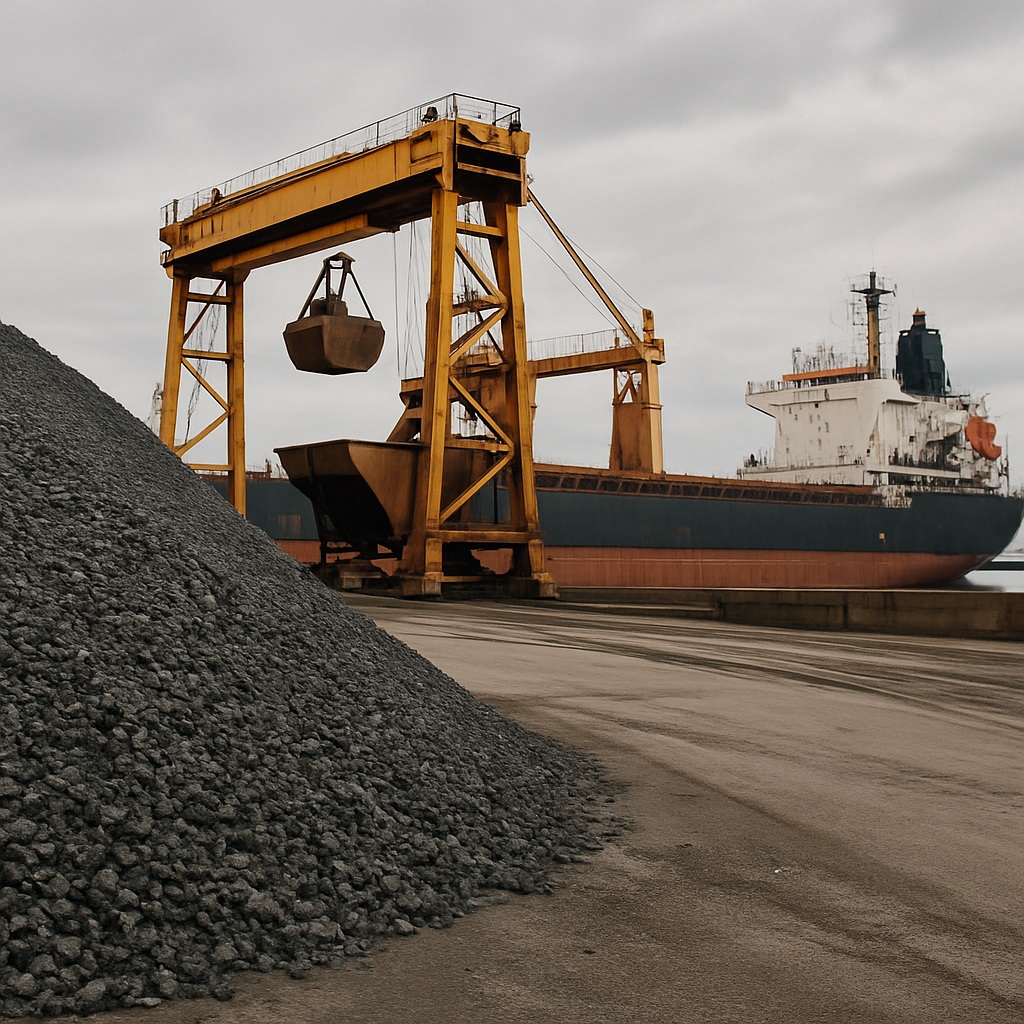
Finance Minister Jens Stoltenberg warns Brussels that impending safeguard measures threaten Nordic–EU trade logic.
Norway Sounds Alarm Over EU’s Proposed Tariffs on Ferro‑Alloys
Finance Minister Jens Stoltenberg warns Brussels that impending EU safeguard measures on ferro‑alloy imports undermine the EEA internal‑market logic and threaten Nordic trade ties.
Oslo – In a marked escalation of trade tensions between Norway and the European Union, Norway’s Finance Minister Jens Stoltenberg is leading a diplomatic pushback against proposed EU tariffs targeting Norwegian ferro-alloy exports. With the bloc preparing to confirm safeguard duties, the Norwegian government is warning that the measures risk breaching fundamentals of the European Economic Area (EEA) and chilling the Nordic industrial supply chain.
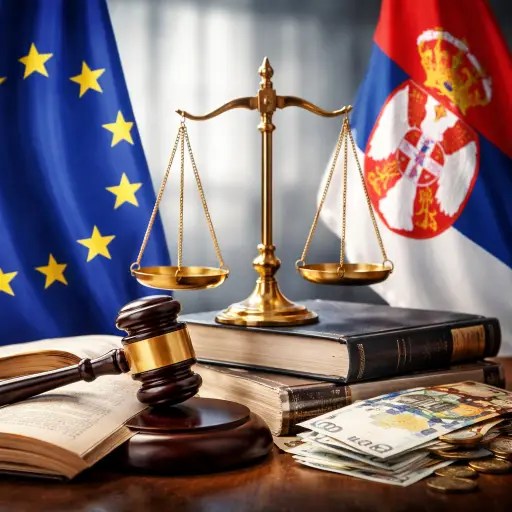
The EU proposal would subject Norway to protective tariffs on imports of certain ferro-alloys—a key input in steel-making and advanced industrial processes. Despite Norway remaining outside the EU customs union, it participates in the single market via the EEA agreement, giving it special trade status. Norwegian officials argue that the proposed measures disregard that status and distort the principles of equal market access.
In public comments this week, Stoltenberg emphasized that Norway “disagrees” with the Commission’s approach and views the measures as incompatible with the EEA Agreement and the logic of the European internal market. He noted that while the final vote among EU member states is pending, “we must be prepared for this to be the final decision”, signaling mounting concern in Oslo.
Strategic Imports & Exports
Ferro-alloys—specialized blends of iron with elements such as chromium, manganese, or silicon—play an essential role in upgraded steel production and other advanced materials. For Norway, a country whose export economy is traditionally dominated by oil, gas, and maritime industries, ferro-alloys represent a significant industrial connection to Europe’s broader manufacturing base.
EU consumption of ferro-alloys has been rising as European industries attempt to stabilize supply chains. Any disruption or tariff barrier, Norwegian officials argue, may ripple into downstream production. Norway’s unique trade position—obligated to respect many internal-market rules but outside the EU’s customs union—makes unmodified application of EU safeguard measures particularly contentious.
Political Undercurrents
Stoltenberg’s involvement is notable given his broad political background. The former NATO Secretary-General and multi-term Prime Minister now occupies the Finance Ministry at a moment when Oslo’s trade posture is under intense scrutiny. The move signals that the government considers the ferro-alloy dispute strategically important.
Brussels, however, faces its own pressures. The EU has been under increasing political demand to shield industrial sectors from perceived underpricing and import surges. While ferro-alloys are not among the Union’s largest import categories, European producers argue that market distortions require intervention. For Norway, the concern is that broad, one-size-fits-all measures sweep in EEA partners without consideration of special agreements.
Analysts point out that although ferro-alloys may not dominate Norwegian exports, the conflict symbolizes a deeper issue: Norway’s role in Europe as both a partner and an outsider. Some in Oslo warn that failing to carve out exemptions could set a precedent—one where Norway enjoys the obligations of internal-market participation but not its protections.
Next Steps and Risks
The upcoming EU vote will determine whether Norwegian ferro-alloy exports are included in the safeguard regime. Oslo continues to press its case in Brussels and through Nordic diplomatic channels, emphasizing the need for exemptions or differentiated treatment.
If the tariffs move forward, Norway could pursue legal action under the EEA treaty, initiate bilateral negotiations, or consider more assertive countermeasures. The decision may also influence trade in related sectors such as aluminium and advanced metals.
For the EU, applying tariffs to an EEA partner risks sending an unintended message: that internal-market commitments may be secondary to short-term protectionist pressures. Businesses in both regions warn that uncertainty could weaken long-standing industrial linkages.
Bigger Picture
At its core, the ferro-alloy dispute highlights broader questions about Europe’s evolving trade architecture. Norway views the controversy as a test of the durability and fairness of the EEA framework. The EU faces the challenge of balancing protective instincts with maintaining credibility as an open but rules‑based market.
As both sides await the decisive moment in Brussels, the disagreement has already illuminated a deeper tension—one concerning trust, reciprocity, and Europe’s shifting economic identity.
 The Tower Post