EU foreign ministers to examine plan for large-scale police training as part of broader post-conflict roadmap

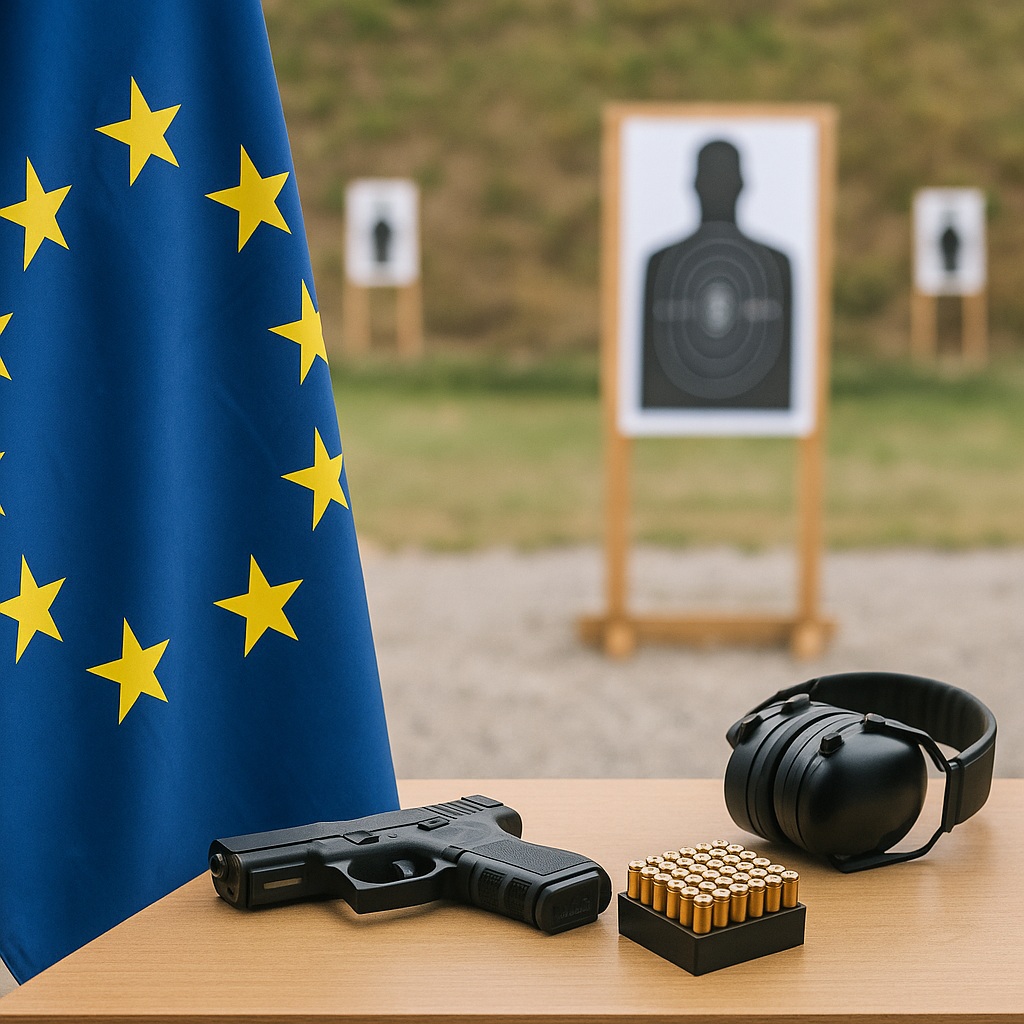
The European Union is quietly preparing to expand its footprint in Middle Eastern diplomacy, with foreign ministers set to examine a proposal for the bloc to spearhead training for roughly three thousand Palestinian police officers from Gaza. The plan, circulating among senior officials, marks one of the most concrete steps yet toward building a new security architecture for the enclave as regional and international actors grapple with the political vacuum left by the conflict.
While conversations remain fluid, diplomats say the emerging framework positions the EU as a central partner in post-conflict stabilization, drawing on the bloc’s long—if complex—history of training police forces in fragile environments. The proposal envisions EU member states pooling trainers, resources, and operational infrastructure to help shape a professionalized police service that could support civilian governance in Gaza.
Officials familiar with the discussions note that the initiative is designed to align with a broader international effort to separate local policing from the political factions that have long dominated Gaza’s security landscape. The concept emphasizes community-level policing, accountability mechanisms, and a curriculum shaped jointly by European and Palestinian experts. Training would likely take place outside Gaza, at least initially, before any deployment to the territory under a future stabilization arrangement.
Several EU capitals see an opportunity: positioning the bloc as a constructive player in shaping Gaza’s future while balancing the strategic interests of regional partners. Supporters argue that the EU, with its civilian-focused security missions and development instruments, is well suited to foster trust among Palestinian communities and to help rebuild security structures without deepening geopolitical rivalries.
Yet the plan faces significant political and logistical challenges. Internally, member states remain divided over the extent of the EU’s involvement in Gaza’s reconstruction and governance. Externally, the proposal hinges on cooperation with neighboring countries, buy-in from Palestinian political actors, and alignment with broader international negotiations over Gaza’s post-conflict governance model.
European officials stress that the police training initiative is not intended to prejudge Gaza’s long-term political future. Instead, it aims to lay the groundwork for stabilizing a territory emerging from devastation—one where civilian policing could help restore order, facilitate humanitarian operations, and support a gradual return to normal life.
Even so, skeptics warn that without clear political foundations, any security initiative risks faltering. They point to previous international reconstruction efforts in Gaza that struggled to gain traction amid recurrent instability and competing authorities. For the EU, success would require sustained diplomatic engagement, robust oversight, and coordination with both regional leaders and Palestinian institutions.
As ministers prepare to deliberate, diplomats describe a growing recognition that the EU cannot remain on the sidelines. With Gaza’s future still uncertain, the police training plan offers the bloc a rare chance to influence the contours of a post-conflict settlement. Whether Europe ultimately seizes that opportunity—and whether the proposal can survive the political test ahead—will shape its role in one of the most delicate reconstruction efforts in the region.
If endorsed, the initiative could become a defining element of the EU’s security and diplomatic posture, signaling a more assertive approach to its neighborhood and a renewed commitment to stability in Gaza. The deliberations arrive at a moment when international actors are under increasing pressure to outline credible pathways for rebuilding institutions, restoring civil administration, and preventing a return to unrest.
Across European capitals, the debate continues to evolve. For now, the proposal stands as a vivid illustration of the EU’s broader dilemma: how to transform its ambitions for peace and stability into practical, sustainable action—one police training cohort at a time.



 The Tower Post