
Alphabet’s investment marks a pivotal moment as the US builds its foundation for the next era of artificial‑intelligence infrastructure
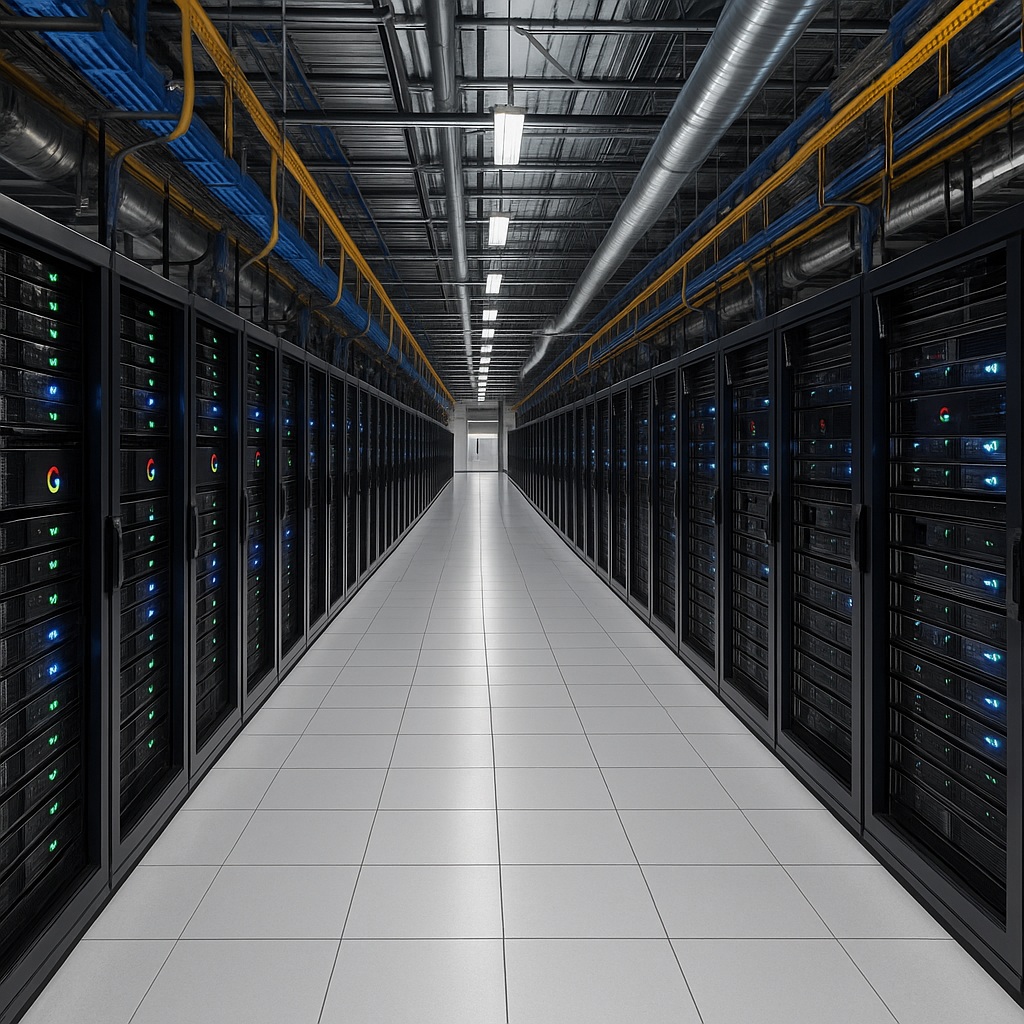
On a brisk November day, Alphabet Inc.’s Google revealed a sweeping $40 billion investment to construct three major data‑centre campuses across Texas, reinforcing the United States’ position in the escalating global race for artificial‑intelligence and cloud‑computing dominance. The move marks one of the most significant infrastructure commitments by any US technology company, emphasizing the foundational role data centres now play in AI expansion.
The new campuses—two in West Texas and one in the Panhandle—are designed to support Google’s rapidly growing AI computing needs and bolster its cloud‑services business. While the company has long maintained a footprint in Texas, this investment signals a new era of hyperscale deployment in regions with abundant land, growing energy capacity and business‑friendly governmental frameworks.
Texas’ appeal is multifaceted: competitive energy markets, access to vast parcels of land suitable for industrial‑scale buildouts and proximity to established Google operations. The company noted that the state’s electrical infrastructure and grid‑connection potential were key considerations, especially as energy‑intensive AI workloads become central to Google’s future.
Beyond construction, Google announced a workforce‑development initiative focused on Texas electricians, technicians and apprentices. The programme aims to ensure that thousands of skilled workers are available to support ongoing operations and future expansion. Energy strategy also plays a crucial role: one of the West Texas sites will integrate solar and battery‑storage facilities, signalling the company’s intent to manage demand responsibly amid concerns about grid strain from hyperscale computing.
This investment lands at a time when technology giants are racing to build the physical foundations of machine‑learning progress. Microsoft, Amazon, Meta and newer AI entrants are collectively spending tens of billions on new compute campuses. Analysts increasingly describe the landscape as an “infrastructure arms race,” in which physical capacity—not algorithms—determines competitive advantage.
For Texas communities, the economic ripple effects could be substantial. Construction phases alone are expected to generate thousands of jobs, with long‑term positions emerging once facilities go online. However, experts caution that data‑centre expansion presents challenges: increased pressure on regional grids, water demand for cooling systems and the need for careful environmental planning.
While Google projects its Texas buildout through several years, questions remain about long‑term AI demand and the sector’s ability to monetize massive infrastructure costs. Yet the company appears confident that AI‑driven growth will continue accelerating, requiring consistent expansion of compute resources.
As the global AI ecosystem matures, Google’s Texas investment may prove to be a defining moment: the point at which the industry’s ambitions crystallised into tangible, towering hubs of steel, fibre and silicon. For Texas, it signals the continued rise of the state as a national epicentre of digital‑age infrastructure. For the broader technology sector, it sets the tone for years of expansion, competition and innovation ahead.



 The Tower Post