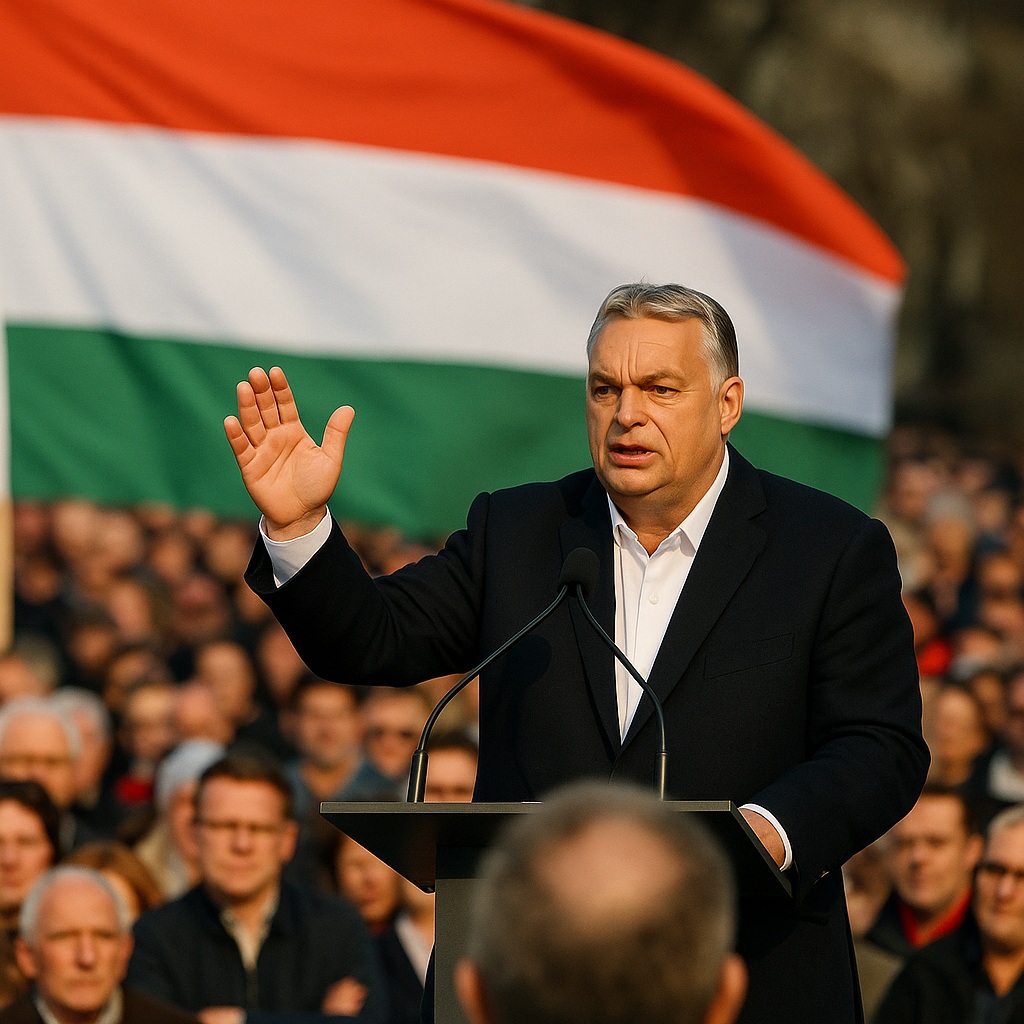
As the 2026 campaign approaches, Viktor Orbán launches an “anti-war roadshow”, reframing his resistance to further Ukraine support into a domestic political message.
Orbán’s launch of a nationwide “anti-war roadshow” has become the latest signal that Hungary’s political season has begun in earnest. Presented as a movement for peace, the initiative repackages the prime minister’s long-standing scepticism toward supporting Ukraine into a message for domestic voters. As the country moves steadily toward its next parliamentary showdown, the narrative is becoming central to Orbán’s strategy.
At a major rally in a regional industrial city, Orbán declared that Hungary will not be dragged into another nation’s war. His speech portrayed the government’s refusal to contribute to Ukraine’s military support as a matter of national survival and independence. The narrative, once framed almost exclusively as foreign policy, now threads directly into Hungary’s internal political fabric.
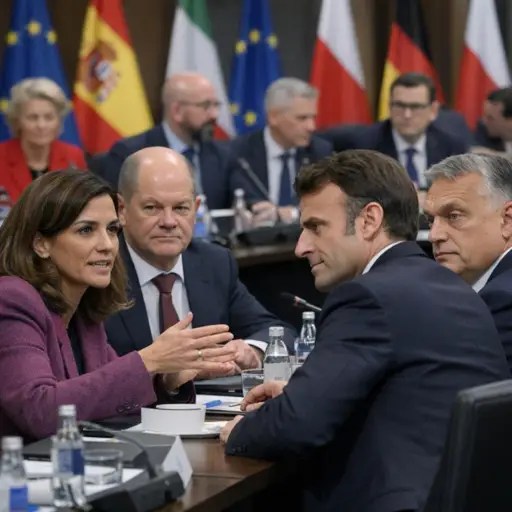
The anti-war framing is carefully calibrated. Orbán’s government has resisted supplying weapons to Ukraine and has blocked transit routes for military shipments. In European discussions, Hungary has increasingly stood apart from the broader EU consensus. But at home, this stance is being recast as a patriotic choice, one that Orbán argues shields Hungarians from foreign entanglements. His roadshow events repeat a consistent message: Hungary must protect its own peace first.
Observers note that this shift in messaging comes just as the government faces pressure over the economy, healthcare, and rising living costs. By focusing the public’s attention on national identity and security issues, Orbán aims to shift the political terrain in his favour. Analysts suggest that the roadshow connects global conflict with the day-to-day concerns of voters, reframing the election as a choice between war and peace rather than a referendum on domestic performance.
Opposition parties are already struggling to counter this narrative. Orbán’s camp brands any political actors supporting deeper coordination with European partners as pro-war and out of step with the Hungarian public. The tactic reduces complex geopolitical debates into stark moral binaries, a strategy that has served his political communications well in past elections.
Regional implications are unavoidable. While Orbán bolsters his domestic narrative with high-profile international visits that are framed as diplomatic victories, the EU continues to express frustration with Hungary’s outlier stance on Ukraine. Still, polls reveal that many Hungarian citizens do not consider Russia the main threat in the region, and scepticism of involvement in Ukraine remains strong. Orbán’s advisers see this sentiment as fertile ground for the roadshow’s message.
However, the strategy is not without political risk. With the international spotlight intensifying, Hungary’s resistance to EU-wide decisions could deepen its diplomatic isolation. Meanwhile, critics argue that invoking the Ukraine conflict serves as a distraction from economic stagnation and governance concerns at home.
As the roadshow moves through cities and towns, each stop amplifies a single message: Hungary must remain a haven of peace amid global instability. The narrative blends concern, nationalism, and political theatre, offering a preview of the themes likely to dominate the coming campaign cycle.
With nearly a year until the 2026 election, Orbán’s repositioning transforms foreign conflict into a domestic political weapon. Whether this strategy strengthens his position or leaves openings for opposition challengers remains uncertain. But one thing is clear: the road to the election will be fought not only on internal issues but also on Hungary’s vision of its place in a turbulent world.

 The Tower Post