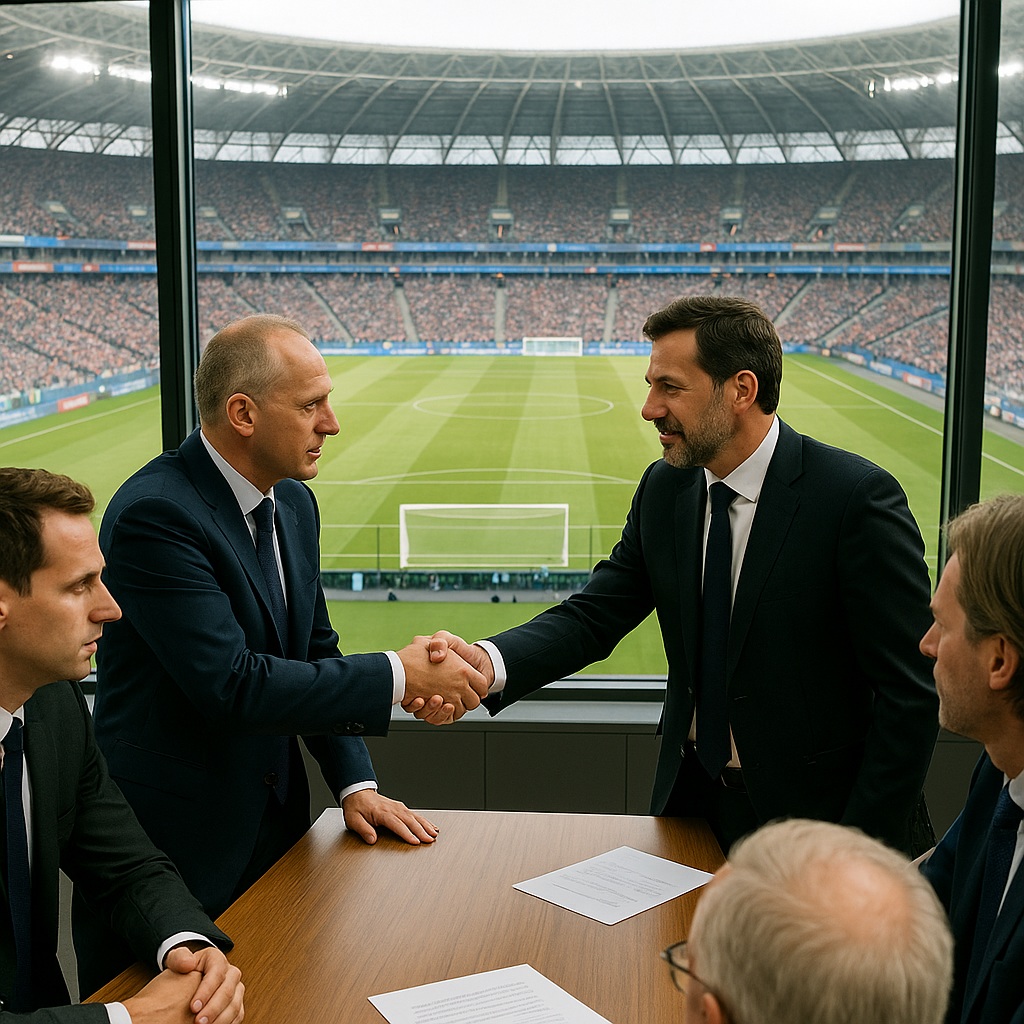
As the body once known as the European Football Club Association adopts the name European Football Clubs, its leverage in talks with UEFA and FIFA underscores a seismic shift in sport-governance dynamics.

At its general assembly this autumn, Europe’s dominant club network took a decisive step: the organisation formerly known as the European Club Association (ECA) revealed its new identity as the European Football Clubs (EFC). The renaming, beyond mere semantics, signals something far more profound — the emergence of an empowered collective of clubs that are increasingly shaping the rules of the game rather than simply abiding by them.
For nearly two decades the ECA acted as the representative voice of Europe’s clubs in discussions with UEFA, FIFA and other governing bodies. Founded in 2008, it echoed a time when clubs felt marginalised in decision-making. But in recent years the balance has shifted. With over 800 member clubs across 55 countries under the new brand, the organisation now claims a formidable constituency — one that collective bargaining, regulatory reform and commercial partnerships increasingly recognise.
The rebrand arrives not in isolation but alongside a wave of strategic moves elevating club influence. The EFC’s expanded representation in joint ventures with UEFA, particularly around club competition rights and commercial structures, reflects the reality that clubs are no longer merely participants—they are partners. Meanwhile, the body’s relationship with FIFA has also matured as clubs gain greater leverage in negotiating international match-calendar conditions and player-release obligations.
Several factors converged to make this the moment for change. The global football economy has surged, with Europe’s major leagues generating immense revenue and clubs becoming commercial powerhouses. Governance pressures around player welfare, fixture congestion, financial sustainability, and competition reform have further pushed clubs into leadership roles. High-profile governance flashpoints—from breakaway league debates to broadcast-rights disputes—have encouraged unified action.
Changing a name may appear cosmetic, but in this case it is symbolic. The shift from “Club Association” to “Football Clubs” signals a more assertive identity and a mandate not just to represent clubs but to position them as central stakeholders in shaping the future of the sport.
Reactions across football have been mixed. Some UEFA officials welcome the unified club voice, which streamlines negotiations, while others warn that increased club influence could unsettle the balance with national associations and the broader football pyramid. Clubs, however, show confidence, emphasising priorities such as competition reforms, improved solidarity structures, and shaping global club-world tournament frameworks.
The rebranding also positions the EFC in a wider global context. As FIFA explores expanded club-world formats and UEFA considers super-league-style structures, clubs aim to ensure their interests shape the resulting landscape. The EFC brand presents a continental united front with global relevance.
The organisation formerly known as the ECA, now the European Football Clubs, embodies a shift from representation to partnership and from the margins to centre-stage. Whether this marks a new era of balanced governance or the rise of club-driven leadership remains uncertain, but one truth stands out: Europe’s clubs have never been more united or more influential than they are today.



 The Tower Post