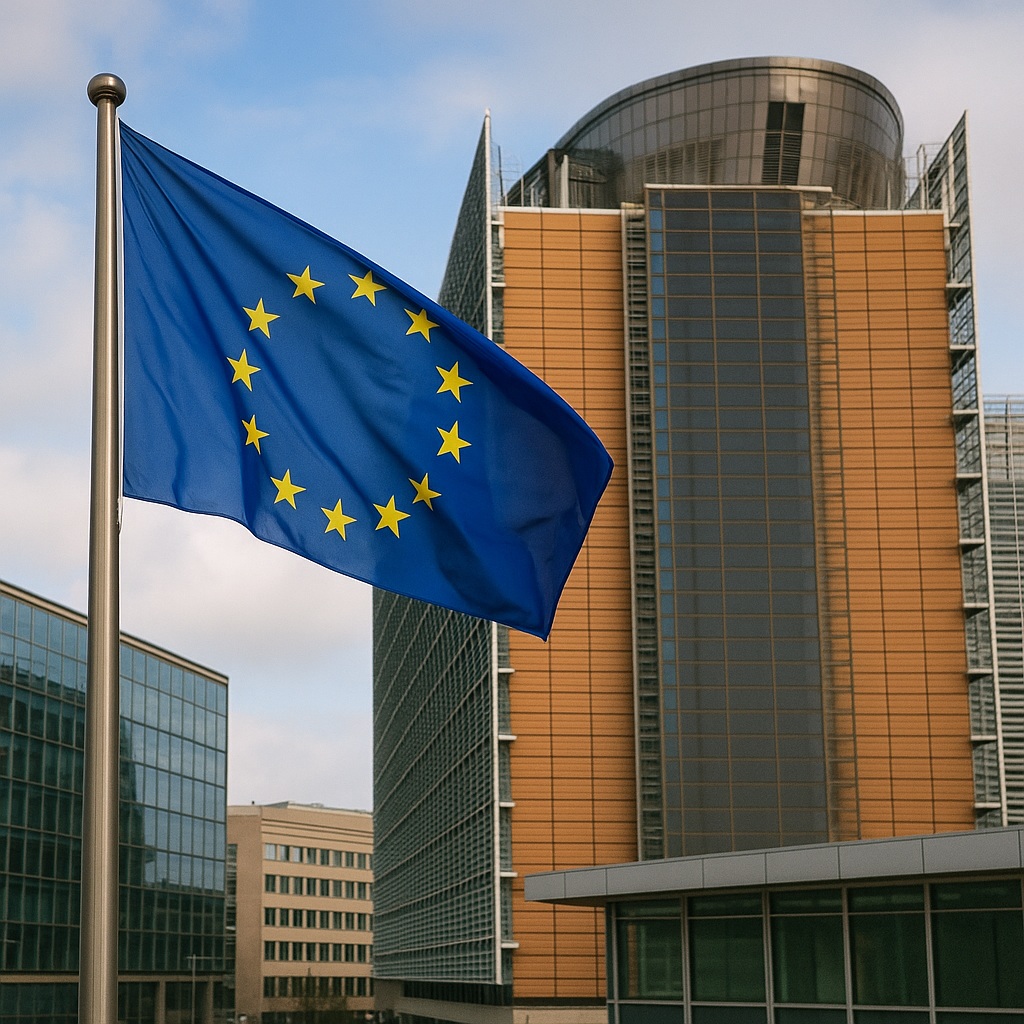
As Brussels Upgrades Its Growth Outlook, Questions Over Financing Ukraine and External Risks Persist
In a cautiously optimistic update released by the European Commission, officials raised their growth expectations for the euro area in 2025, highlighting a modest yet meaningful recovery driven by easing inflation, a gradual rebound in consumer confidence, and improving investment flows. The announcement, delivered from Brussels on the nineteenth of November, signaled that the euro zone may be regaining some momentum after a prolonged period of stagnation and uncertainty.
Yet the tone from policymakers was far from celebratory. The upgraded forecast was paired with a series of warnings about unresolved challenges that could weigh heavily on Europe’s economic trajectory. Chief among them is the increasingly urgent question of how the bloc will continue to support Ukraine, both financially and militarily, as its war effort places unprecedented strain on Western resources and political cohesion.
Commission officials stressed that the euro area’s resilience should not be mistaken for immunity. The region remains highly exposed to geopolitical tensions, energy-price volatility, and slowing demand from major trading partners. Trade headwinds, particularly from Asia, have already dampened industrial output in several member states, while persistent supply-chain disruptions continue to complicate recovery in key sectors such as automotive manufacturing and machinery.
Internally, the Commission warned that fiscal fragmentation poses a mounting risk. While some euro‑area economies are experiencing faster-than-expected rebounds, others continue to struggle with elevated debt levels and sluggish productivity. The return of interest rates to more historically normal ranges has forced governments to recalibrate spending plans, leaving less flexibility for shared EU initiatives.
The question of Ukraine funding looms especially large. European officials are scrambling to secure a multi‑year financial framework capable of sustaining Kyiv without undermining domestic political stability. Debates within the bloc have intensified, with some leaders calling for new common borrowing tools and others urging stricter budget discipline. The Commission emphasized that a cohesive response is essential, arguing that the strategic and economic stakes for Europe extend far beyond immediate military concerns.
Despite these risks, the revised outlook reflects genuine progress. Inflation has continued to ease across much of the euro zone, helping stabilize consumer spending after a period of sharp contraction. Investment in green technology and digital infrastructure remains robust, buoyed by EU‑level incentives and private‑sector confidence. Labor markets also show signs of resilience, with employment holding steady even in countries facing contracting industrial output.
Still, the Commission cautioned that the recovery remains uneven and vulnerable. A fresh cycle of energy‑market turbulence or a deterioration in global trade conditions could halt momentum. Furthermore, the political calendar across Europe in the year ahead introduces its own uncertainties, with several member states preparing for elections that could influence economic policy and the bloc’s strategic orientation.
For now, Brussels is urging governments to maintain a delicate balance: supporting growth through targeted investment while rebuilding fiscal buffers and reinforcing collective action on defense, energy, and external security. The Commission’s message is clear—Europe’s economic outlook is brighter than it was just a year ago, but its stability hinges on decisions made in the coming months.
As policymakers continue negotiations over Ukraine funding and shared fiscal mechanisms, the upgraded forecast serves as both encouragement and reminder. The euro area may be charting a path toward recovery, but the shadow of geopolitical and economic uncertainty still stretches over the continent.
 The Tower Post