
As clothing prices continue to climb and fashion habits shift in the post-pandemic era, more women in the US are opting to rent dresses, coats, and novelty sweaters.
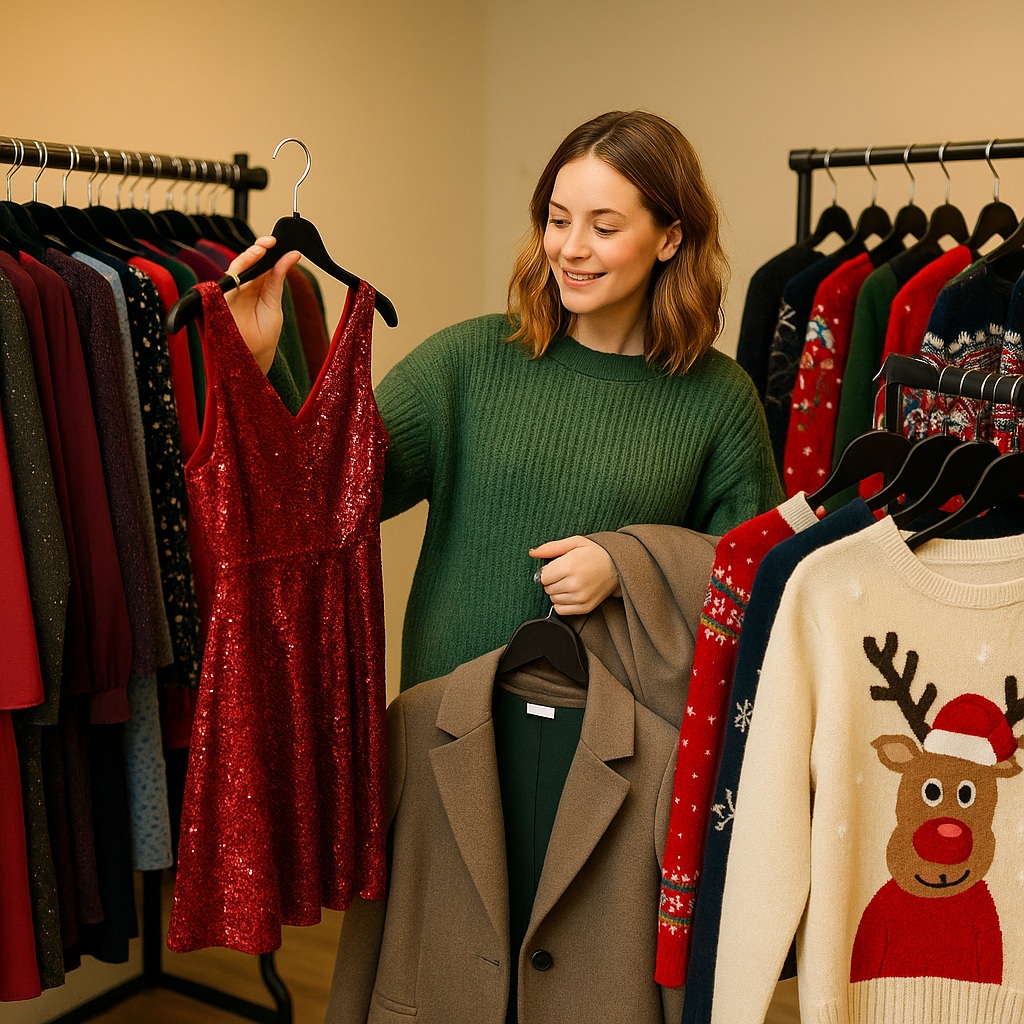
Fashion rental services across the United States are experiencing a sustained surge in demand as more women look for cost-efficient and flexible alternatives to building traditional wardrobes. With apparel prices rising steadily and consumer habits evolving in the years following the pandemic, the rental model has transformed from a niche offering to a mainstream solution embraced by women across age groups and regions.
Women who once shopped routinely for new seasonal pieces are increasingly questioning whether those purchases still make sense. The prices of high-quality coats, dresses, and themed sweaters have climbed enough to make many consumers reconsider what they buy and how often they buy it. Rental platforms have become a way to access variety without committing to the long-term costs and storage challenges associated with ownership.
The appeal stretches beyond special occasions. What once served mostly bridesmaids, gala-goers, and wedding guests has now expanded to include professional wardrobes, vacation dressing, and everyday outerwear. Some women now rent their weekly work outfits, returning them for fresh selections that arrive in recurring subscription shipments. Others use rentals to experiment with new styles, materials, or silhouettes before deciding whether to invest in a similar item.
The pandemic years created a seismic shift in fashion behavior. With hybrid work remaining a norm, women move between professional, casual, and at-home wardrobes more fluidly than before. This fluidity makes committing to expensive staples less appealing. A structured wool coat or tailored blazer may feel necessary one week and irrelevant the next. For many, renting solves this unpredictability by providing access to what they need only when they need it.
Seasonal and novelty items are playing a major role in this shift. The once spur-of-the-moment purchase of a holiday sweater has become a calculated decision for many women who no longer wish to own something worn briefly and then forgotten. Novelty and “ugly” sweaters have become reliable rental hits, giving wearers the fun of seasonal dressing without the guilt or clutter.
Rental platforms have quickly adapted, showcasing curated collections of colorful, quirky, and theme-specific sweaters alongside more timeless options. Some platforms now report that demand for novelty sweaters begins even earlier than other winter categories, driven by office parties, family gatherings, and events where themed attire is expected.
Coats have emerged as one of the strongest-growing rental categories. The cost of high-end outerwear continues to rise, and weather patterns across various regions fluctuate widely, making it harder to justify traditional coat purchases. Rather than invest in a heavy winter coat that may only be necessary for brief cold spells, women are opting to rent coats tailored to specific conditions—light puffer for one weekend, wool wrap coat the next, waterproof parka for a short trip the following week.
Environmental concerns have become an equally important factor. Many women say that renting aligns with their desire to reduce textile waste and participate in more sustainable fashion practices. Rental companies now provide transparency about garment lifespan, cleaning processes, and overall environmental impact. Some even display how many times a garment has been worn, which resonates especially with younger consumers seeking accountability and conscious consumption.
The rise of rental fashion has also begun to influence designers and manufacturing practices. Brands working with rental companies are creating collections built to withstand repeated wear and cleaning cycles. Fabrics that maintain structure and color over time have become more desirable in the rental market. At the same time, bold patterns and expressive textures are thriving, as renters seek pieces that stand out without requiring long-term commitment.
For many women, renting has evolved into a hybrid wardrobe strategy. Core basics—jeans, favorite tops, underlayers, and shoes—are still purchased, but statement pieces rotate regularly through rental platforms. This combination gives women the stability of everyday staples while allowing them to express creativity and adapt to changing trends with minimal cost.
Retail analysts anticipate that this trend will extend well beyond the winter season. Even as economic conditions shift, the appeal of renting remains strong because it satisfies a broad set of needs: affordability, flexibility, sustainability, and novelty. The practice also supports a generation that values experiences over accumulation, and that sees fashion as an evolving form of expression rather than a static closet of possessions.
In many ways, the growing popularity of renting dresses, coats, and novelty sweaters reflects a deeper cultural shift. Women are redefining what a wardrobe looks like, moving away from ownership as the default and toward access as the new norm. As rental platforms continue to expand their offerings and refine their services, the model is poised to remain a central part of the modern fashion landscape. What began as a way to save money has become, for many, a refreshing and thoughtful reimagining of how to dress in a world where flexibility and individuality matter more than ever.




 The Tower Post