
Anti-dumping investigation signals rising trade tensions as Europe scrutinizes China’s expanding tech exports
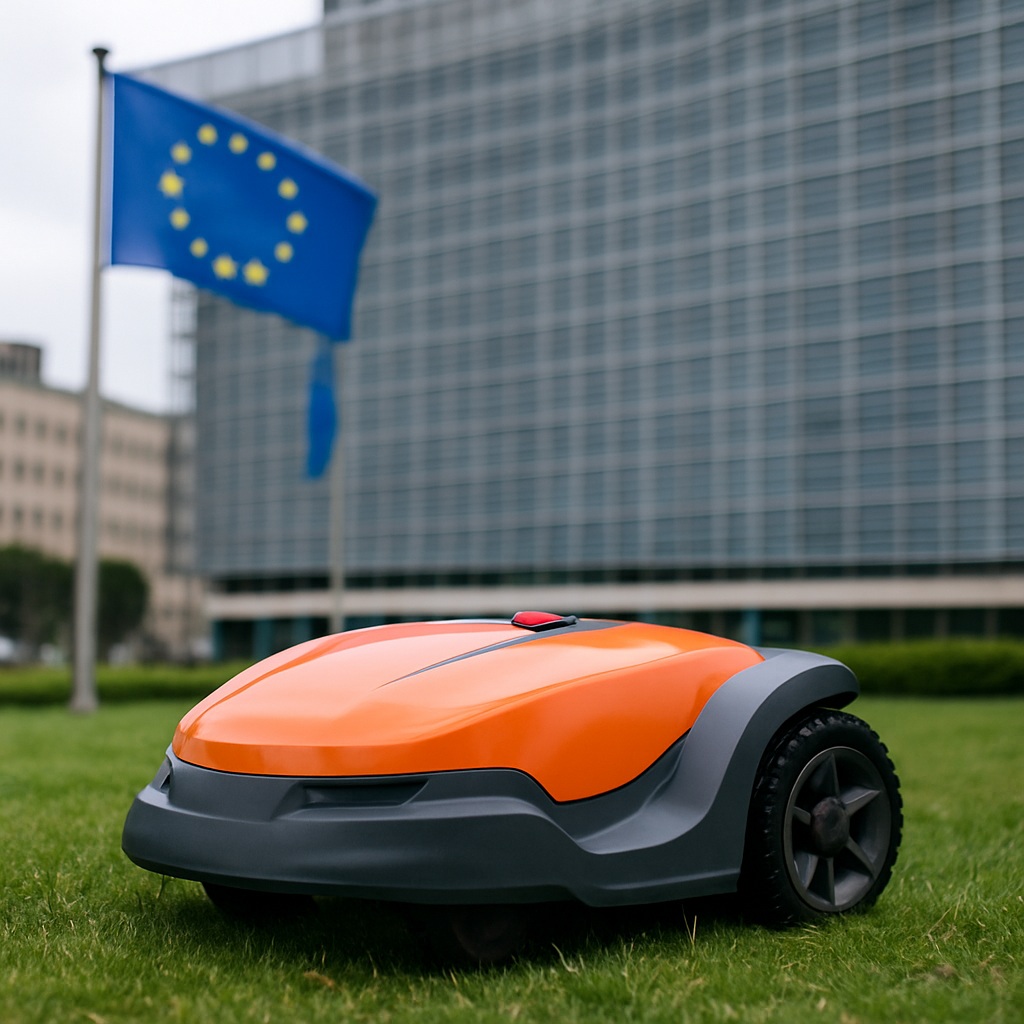
As European trade officials prepare to open a sweeping anti-dumping investigation into robotic lawnmowers imported from China, a seemingly niche garden tool has become the unlikely center of an emerging geopolitical fault line. The probe reflects broader anxieties across the European Union about China’s manufacturing dominance, state-backed pricing practices, and the rapid spread of Chinese smart-hardware brands across global markets.
Behind the scenes in Brussels, officials describe the looming investigation as a WTO-style process that could shape relations between the world’s second-largest economy and one of its biggest trade partners for years to come. European manufacturers have long argued that Chinese producers benefit from opaque subsidies, discounted materials, and scale advantages that European firms struggle to match. But what transforms this dispute into a global story is the product category at its center: robotic lawnmowers, a fast-growing segment within the smart home and automation sector.
Industry analysts say the case is strategically important because it plays directly into Europe’s vision of securing high-value manufacturing tied to artificial intelligence and advanced automation. Robotic mowers, once considered premium consumer gadgets, have become emblematic of Europe’s efforts to carve out industrial leadership in a world increasingly defined by smart machines.
European firms have invested heavily in automation ecosystems that integrate with home energy management, water conservation, and climate-smart gardening technologies. The arrival of low-priced Chinese alternatives has stirred concern across the continent’s manufacturing corridors, from Germany’s tech clusters to the Nordics’ design-driven robotics sector. Executives argue that the cost gap is no longer just a matter of scale or efficiency but may represent distorted competition—an argument Brussels appears ready to test.
Chinese exporters, however, maintain that the accusations are politically motivated. They point to Europe’s own subsidies and industrial policies—especially recent state support for green technologies—as evidence that the field is far from neutral. Chinese industry groups warn that punitive tariffs could risk escalating into a broader retaliation cycle affecting European automotive, agricultural, and luxury goods entering the Chinese market. Trade lawyers note that Beijing has become increasingly assertive in its responses to Western investigations, raising the stakes for both sides.
The EU has been recalibrating its approach to China, seeking to reduce dependency in critical sectors while avoiding full-scale decoupling. This robotic mower case may become an early template for a more structured approach to challenging what European policymakers describe as systemic distortions originating from China’s state-capitalist model.
For consumers, the investigation could have tangible effects. Robotic lawnmowers, once considered luxury purchases, have become more accessible as Chinese brands entered the market with aggressive pricing. A potential tariff regime may lead to higher retail prices across the EU, at least temporarily. Retailers, meanwhile, are quietly preparing for supply-chain adjustments should the investigation progress toward provisional duties.
Behind the policy debate lies a deeper question: how Europe plans to position itself in a global economy increasingly defined by smart devices that blur the boundaries between robotics, data, and everyday life. The robotic mower probe is not merely a test of trade rules—it is a symbolic battleground in the race to shape the technological infrastructure of the modern home.
European officials insist that the investigation will adhere to international standards, emphasizing transparency, evidence collection, and engagement with Chinese stakeholders. But few in the trade community expect the process to unfold without diplomatic turbulence. With both sides preparing their legal and political arguments, the robotic mower dispute is poised to become one of the defining trade stories of the season.
Whether it ends in compromise, confrontation, or a new blueprint for future EU-China commercial relations, the world will be watching closely as Brussels prepares to cut into the tall grass of global trade politics.




 The Tower Post