
S&P Global Economist Warns: Momentum Now Depends on Deep, Durable Structural Reform
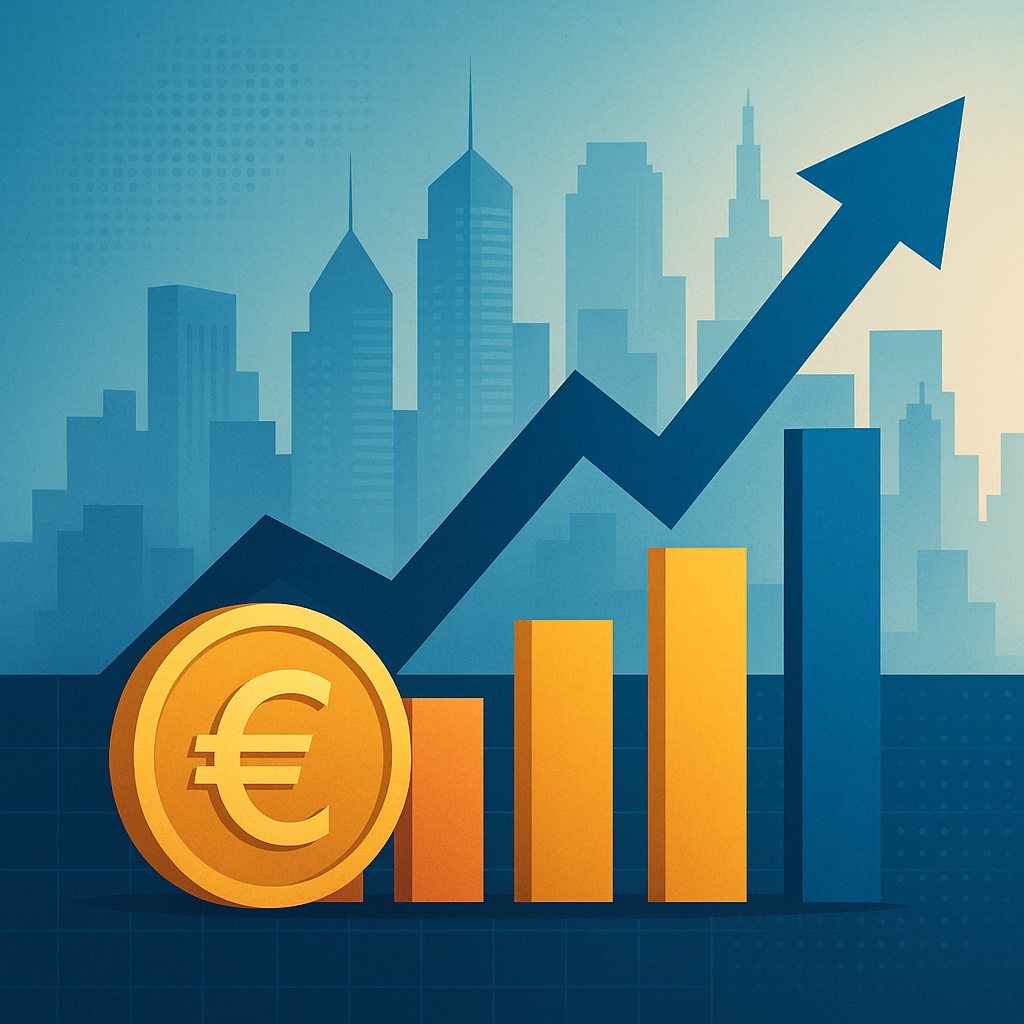
Europe’s long-awaited economic recovery has entered a crucial phase. After weathering years of overlapping crises, the continent is now experiencing a rebound marked by greater stability, revived investment, and improving consumer confidence. But according to a detailed commentary from an S&P Global EMEA economist, this recovery—while meaningful—remains fragile. Its sustainability rests squarely on Europe’s political willingness to implement long-delayed structural reforms.
A Recovery Built on Resilience
The economist highlights that Europe’s economic ability to absorb shocks has repeatedly surprised observers. Following prolonged periods of energy turbulence, inflationary pressure, and logistical bottlenecks, most European economies have achieved measurable stabilization. Manufacturing output has regained traction, and service-sector activity has broadened beyond tourism and hospitality into technology-driven growth.
Investors, who remained cautious throughout the earlier phases of uncertainty, are gradually returning. Cross-border capital flows have increased, and early signs indicate that Europe’s innovation ecosystem is regaining international interest—particularly in green technology, robotics, and advanced materials.
Despite these positive signals, the economist warns that resilience alone does not guarantee long-term competitiveness. Rather, resilience is only the first step in a broader transformation that Europe must undergo if it is to compete effectively with faster-growing regions.
Productivity as Europe’s Defining Challenge
For more than a decade, productivity growth across Europe has trailed that of major global competitors. The commentary stresses that while recent advancements in digital transformation and automation have delivered notable improvements, they have yet to produce a sustained upward trajectory.
One area where Europe shows promise is the adoption of clean technologies and industrial innovation. Yet progress remains fragmented. Some countries—particularly those with strong industrial traditions—are moving quickly, while others continue to lag behind due to structural inefficiencies, underinvestment, or regulatory bottlenecks.
The economist argues that addressing productivity gaps requires a coordinated approach. This includes improving capital allocation, increasing investment in research and development, and creating greater incentives for private-sector innovation. Without these efforts, Europe risks falling further behind in high-value sectors where global competition is intensifying.
Labor-Market Realignment
Europe’s labor market is often described as both one of its strengths and one of its constraints. High employment rates have helped stabilize household spending and supported the recovery. However, rigidities in labor mobility, credential recognition, and skill adaptation threaten to undermine long-term economic momentum.
The S&P Global commentary underscores a pressing concern: Europe is not retraining its workforce fast enough for a rapidly changing technological landscape. Whether in artificial intelligence, renewable energy engineering, or advanced manufacturing, employers frequently report shortages of qualified workers.
To bridge this gap, the economist calls for deeper reforms to vocational education systems, incentives for mid-career training, and better mechanisms for cross-border labor mobility within the continent. Without such measures, the productivity gains Europe hopes to achieve may remain out of reach.
The Energy Transition: Opportunity and Vulnerability
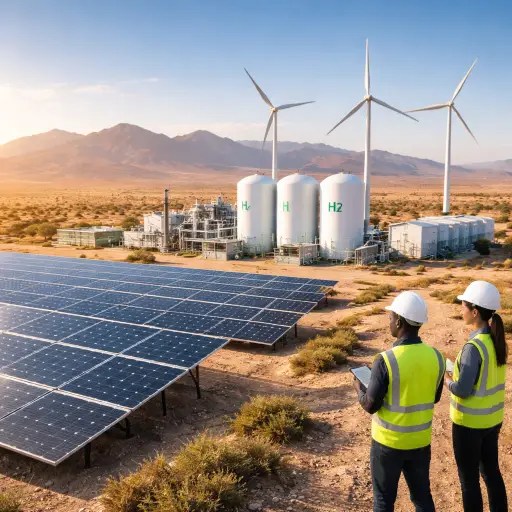
Energy policy remains one of Europe’s most sensitive—and strategically important—areas. The successful navigation of recent volatility demonstrated the region’s capacity for collective problem-solving. But long-term energy competitiveness will depend on accelerating renewable deployment, strengthening grids, and maintaining reliable supply throughout the transition.
The economist notes that Europe’s permitting processes remain a significant bottleneck. Projects that could enhance the continent’s energy independence often face delays due to regulatory complexity, environmental assessments, or inconsistent national strategies. As a result, costs rise, investor confidence weakens, and the pace of transition slows.
Still, the shift toward cleaner energy represents one of Europe’s greatest opportunities. If reforms prioritize clarity, coordination, and long-term planning, the continent could position itself as a global leader in sustainable industrial production.
Fiscal Policy at a Turning Point
Years of elevated public spending have left European governments balancing the dual pressures of fiscal consolidation and investment demands. With borrowing costs no longer negligible, policymakers must carefully weigh where to allocate limited resources.
The S&P Global economist emphasizes that the next phase of Europe’s growth hinges on credible fiscal rules paired with strategic investment. Areas such as climate adaptation, digital infrastructure, and advanced manufacturing capacity are highlighted as essential for long-term competitiveness.
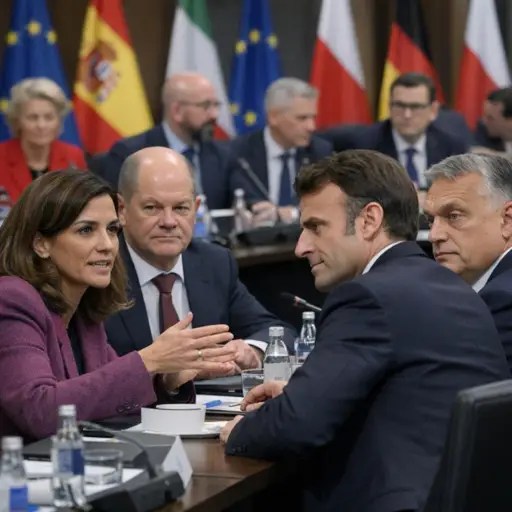
Yet achieving consensus on fiscal frameworks has historically been difficult. Diverging national priorities, varying debt levels, and differing political landscapes often slow progress. The economist argues that Europe’s ability to navigate these complexities will shape the durability of its recovery.
A Continent at a Strategic Crossroads
Despite the challenges ahead, the commentary maintains a cautiously optimistic outlook. Europe still benefits from world‑class education systems, a diverse industrial base, and the largest single market on the planet. These advantages position the continent to remain a global economic force—if policymakers act with urgency.
The economist concludes by noting that Europe’s recovery story is at an inflection point. The foundations built through resilience could serve as a launching pad for sustained prosperity. But without meaningful reform—driven by long-term vision rather than short-term political considerations—the rebound may fade before its full potential is realized.
For now, Europe stands between two possible futures: one defined by renewed dynamism and competitiveness, and another marked by stagnation as other global powers accelerate ahead. The coming period will determine which path the continent ultimately follows.


 The Tower Post