
As the Ukrainian leader winds a high‑stakes tour of the EU, the omission of an Italian stop raises questions about Rome’s role in Kyiv’s broader strategy and the alliances reshaping Europe.

In a swift swing through Europe, Ukrainian President Volodymyr Zelenskyy has visited several key capitals to press for military support, economic aid, and deeper integration with Western institutions. Yet his choice of destinations has sparked fresh debate. Notably, Italy—long considered an important partner in the European response to the war—was absent from the itinerary. The omission has fueled speculation about whether the decision was deliberate diplomatic signaling or the inevitable outcome of logistical constraints in wartime travel.
Zelenskyy’s tour included stops in multiple EU countries, each chosen for its strategic weight within the ongoing conflict and its influence in shaping Europe’s political direction. But the absence of a stop in Italy has raised eyebrows in diplomatic circles. Rome has historically played a visible role in supporting Kyiv and has hosted high‑level Ukrainian delegations in the past. Even so, the dynamics between the two governments have shifted in recent months, prompting questions about Italy’s current geopolitical posture.
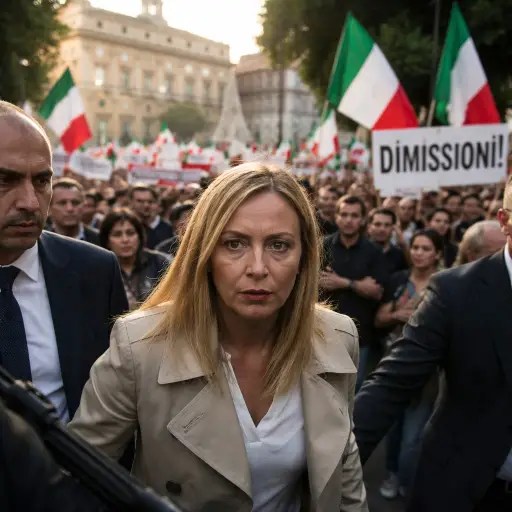
For some analysts, Zelenskyy’s skipping of Italy signals a measured recalibration. Italy’s government has faced internal political pressures, with segments of the ruling coalition expressing skepticism about escalating military commitments. Italian public opinion also remains divided, and concerns over economic strain, energy security, and domestic priorities have reshaped the tone of national debate. Against this backdrop, Kyiv may have assessed that a stop in Rome would not deliver the clear, unified messaging needed during a moment of heightened diplomatic urgency.
Others view the omission in more pragmatic terms. Coordinating wartime travel for a head of state remains a complex undertaking, balancing secrecy, security, and limited time windows. It is possible Italy could not align schedules with Zelenskyy’s rapidly evolving plans—or that other states had more immediate or material commitments ready to announce. In such a scenario, the choice reflects logistics rather than politics.
Still, symbolism matters. For Kyiv, each stop on a European tour is part of a broader communications strategy aimed at maintaining momentum, securing assistance, and keeping allies aligned. For Italy, not hosting Zelenskyy at a time of renewed military pressure on Ukraine could be interpreted, fairly or not, as a sign of hesitation. Diplomats note that such perceptions—even if inaccurate—can shape narratives and influence future negotiations.
The consequences of the missed rendezvous may unfold over time. If future bilateral visits are quickly scheduled, the omission may be remembered merely as a scheduling quirk. But if no follow‑up engagement occurs, analysts may interpret it as a quiet but meaningful distancing between Rome and Kyiv. In the fluid and often symbolic world of European diplomacy, absence can sometimes speak louder than presence.
As Zelenskyy continues rallying support across Europe, the question lingers: Was Italy’s absence from the itinerary a deliberate message—or just an unintended gap in a whirlwind tour? For now, the answer remains open, but the implications underscore the delicate balance of alliance‑building in a continent reshaped by war.


 The Tower Post