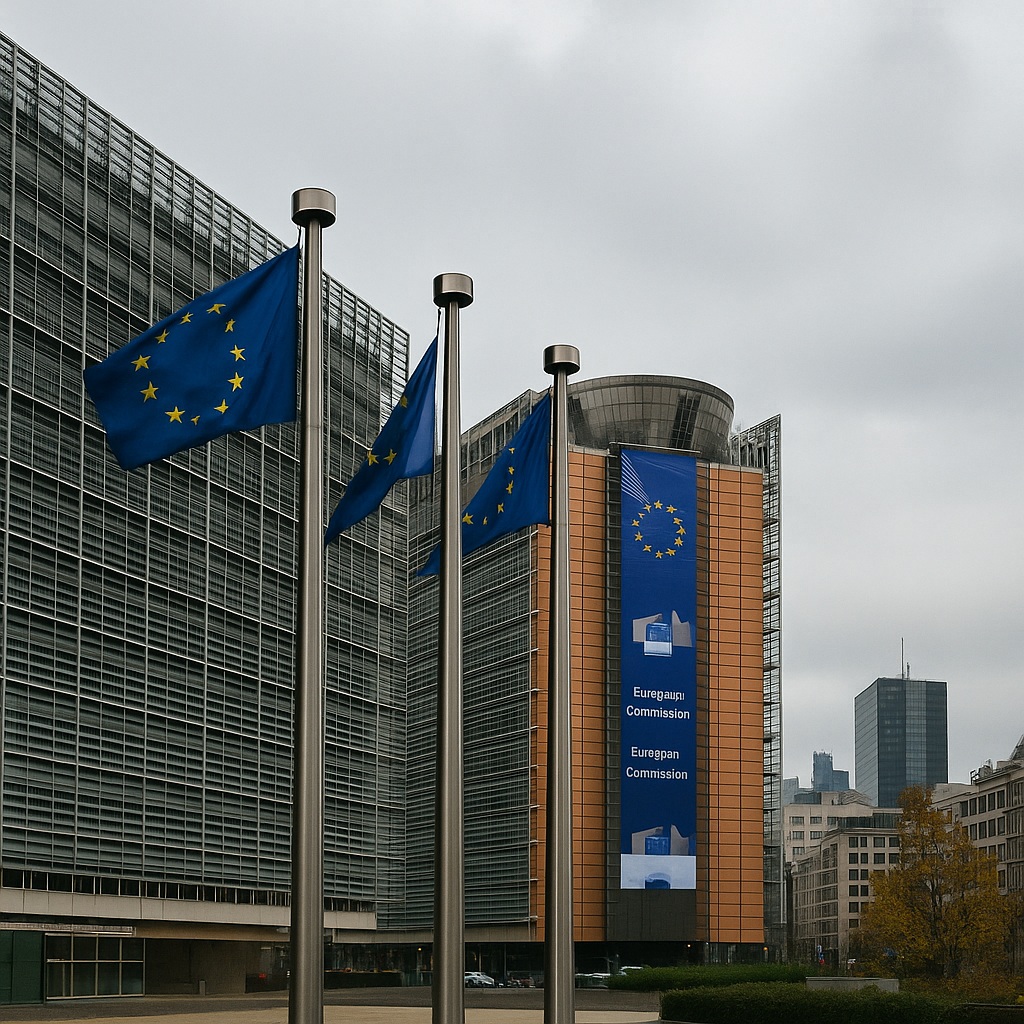
European Commission upgrades growth forecast even as Kyiv braces for shortfall in external support

The European Commission this week presented a cautiously optimistic view of the European economy, signalling that the bloc is recovering more robustly than earlier expected. Yet alongside the upbeat figures lies a stark warning: the external financing required by Ukraine remains perilously under‑met — putting at risk not only Kyiv’s reconstruction prospects but also the integrity of Europe’s political commitment.
A Lift in Growth Amid Lingering Risks
In its latest economic outlook, the Commission revised upward its expectations for real GDP growth across the European Union and the eurozone, citing stronger services activity, recovering exports, and resilient labour markets. Inflation is expected to continue its gradual decline, offering governments slightly more fiscal breathing room after years of compounded crises.
However, the forecast highlights persistent vulnerabilities: elevated public debt, widening deficits, and the drag of higher borrowing costs. Policymakers warn that while momentum is improving, the recovery is still exposed to global uncertainty, energy volatility, and geopolitical instability.
Ukraine Funding: A Contrasting Story
While indicators for the EU point modestly upward, Ukraine faces an increasingly urgent funding dilemma. Kyiv’s external financing needs remain enormous, and despite pledges from European capitals, a substantial gap persists between commitments and actual disbursements. The Commission has emphasised that political cohesion is essential to keep Ukraine’s economy functioning and its reconstruction process viable.
Some Member States have urged caution on long‑term obligations, citing domestic fiscal pressures. Others argue that sustained support for Ukraine is a strategic investment in Europe’s own security and economic stability. The divergence in positions has slowed negotiations and fuelled concern within Brussels that the bloc may struggle to maintain a united front.
Political and Financial Fault Lines
The shortfall in Ukraine funding has evolved into a broader political test for the EU. Debates over corruption safeguards, oversight mechanisms, and long‑term fiscal exposure have deepened divisions. With defence spending rising and green‑transition demands intensifying, national budgets are strained — leaving Ukraine assistance vulnerable to shifting political winds.
For the Commission, this dynamic threatens Europe’s credibility as a geopolitical actor. The gap between its stated ambitions and its ability to mobilise resources could have repercussions far beyond Ukraine, affecting investor sentiment, strategic cohesion, and the EU’s standing on the global stage.
Why It Matters for the EU
Europe’s improving economic outlook provides an opportunity to take more decisive action on external commitments. Failure to adequately support Ukraine, however, risks prolonging the conflict’s economic fallout, from energy insecurity to elevated defence costs. Commission officials note that the EU’s prosperity and strategic influence are intertwined — and that supporting Ukraine is both a moral responsibility and a long‑term economic imperative.
Looking Ahead: Strategy and Solutions
The Commission has proposed several avenues to address the funding gap, including new financing instruments, faster disbursement channels, and greater coordination with international partners. Some policymakers have floated joint EU‑Ukraine reconstruction bonds and expanded guarantees to attract private‑sector participation.
Domestically, the EU continues to stress the importance of structural reforms, productivity investments, and accelerating digital and green transitions to bolster long‑term resilience.
Conclusion
As of late November 2025, Europe stands at a crossroads: economic prospects are brightening, yet the political and financial weight of Ukraine’s needs hangs heavily over Brussels. Growth may be returning, but without sustained commitment to Ukraine, the stability underpinning that recovery risks being undermined.
Europe’s challenge is clear: convert economic optimism into strategic action — ensuring that its support for Ukraine remains not merely rhetorical but real, consistent, and future‑focused.



 The Tower Post