
Despite inflationary headwinds, energy pressures and geopolitical tension, the European Commission reports strong growth through Q3, offering cautious optimism for year‑end.

Autumn 2025 Economic Forecast Shows Continued Growth Despite Challenging Environment
Europe is entering the final stretch of 2025 with a surprising degree of resilience. According to the European Commission’s latest autumn forecast, economic growth through the first three quarters has outpaced expectations, defying persistent inflation, ongoing energy‑market pressures and a turbulent geopolitical backdrop. As the continent moves deeper into the autumn season, policymakers and analysts alike are reassessing their outlook for the year’s end—and the picture, while cautious, is brighter than anticipated.
A Stronger‑Than‑Expected Economic Performance
The Commission notes that growth across the European Union has exceeded projections set at the start of the year. This unexpected strength stems from a combination of robust consumer spending, steady business investment and improvements in export performance in select sectors. While inflation continues to weigh on real incomes, households have adapted more effectively than many analysts forecast, supported by gradual wage improvements and targeted government measures.
Central and Northern European economies benefited from a renewed push in manufacturing and technology‑driven services. Meanwhile, southern member states experienced a stronger‑than‑usual
tourism season and rising domestic consumption. These factors together helped counterbalance structural weaknesses that remain across parts of the single market.
Inflation and Energy Pressures Remain Key Constraints
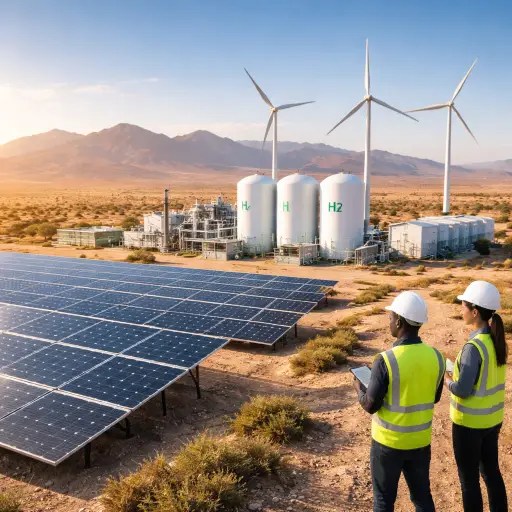
Despite the improved overall picture, significant challenges continue to limit the pace of recovery. Inflation remains elevated, eroding purchasing power, and creating uncertainty for businesses planning for the months ahead. Energy prices, though more stable than in previous crises, remain volatile and unevenly felt across member states—particularly those reliant on energy‑intensive industries or exposed to external supply vulnerabilities.
The Commission warns that any renewed pressure on global energy markets could disrupt the fragile balance that has supported the year’s positive momentum. Industrial sectors, especially chemicals, metals and heavy manufacturing, remain sensitive to fluctuations in input costs.
Geopolitical Risks Shape the Forecast
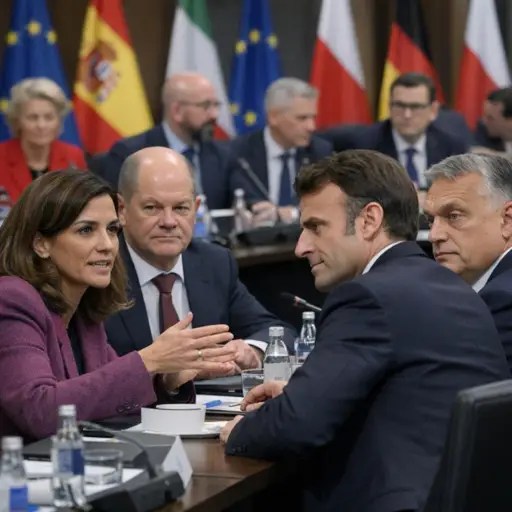
Europe’s economic landscape in 2025 has been heavily influenced by geopolitical developments. The Commission highlights that global trade tensions, regional conflicts and the ongoing realignment of supply chains continue to shape investment patterns and export performance.
Despite these pressures, Europe’s ability to maintain growth points to increasing diversification and adaptability. Companies have accelerated efforts to establish more resilient supply networks
and reduce exposure to single‑source dependencies. However, the forecast underscores that the environment remains unpredictable, and external shocks cannot be discounted in the months to come.
Policy Responses and the Road to Year’s End
Monetary and fiscal authorities are navigating a delicate balancing act. With interest rates remaining relatively high in response to inflation, central banks must weigh the need for price stability against the risk of stalling investment and consumer activity. Fiscal authorities, facing limited room for broad‑based stimulus, are instead focusing on targeted support to vulnerable households and key sectors facing energy‑related pressures.
The Commission anticipates continued economic expansion into the final quarter, though at a moderating pace. Policymakers are encouraged to prioritize structural reforms, energy resilience,
and labor‑market flexibility to maintain the momentum into the following year.
Sectoral Divergences Highlight Uneven Recovery
The forecast also points to growing disparities between sectors and regions. While high‑technology industries and professional services are powering ahead, traditional manufacturing remains more
muted. Meanwhile, countries with diversified energy sources and strong export portfolios are performing better than those with narrower economic bases.
Nevertheless, the service sector continues to provide a stabilizing force, benefiting from both domestic demand and international travel flows that have returned to strength.
A Cautiously Optimistic Conclusion
The Autumn 2025 Economic Forecast ultimately presents a picture of an economy resilient but not invulnerable. Europe has demonstrated an ability to maintain growth in a challenging environment—an encouraging sign for the months ahead. Yet the Commission stresses that risks remain pronounced, ranging from energy volatility to external geopolitical pressures.
As Europe moves toward winter, the central question is whether this momentum can be preserved. For now, the signs are cautiously positive: the continent is harvesting the gains of an unexpectedly strong year—even if the ground ahead remains uneven.


 The Tower Post