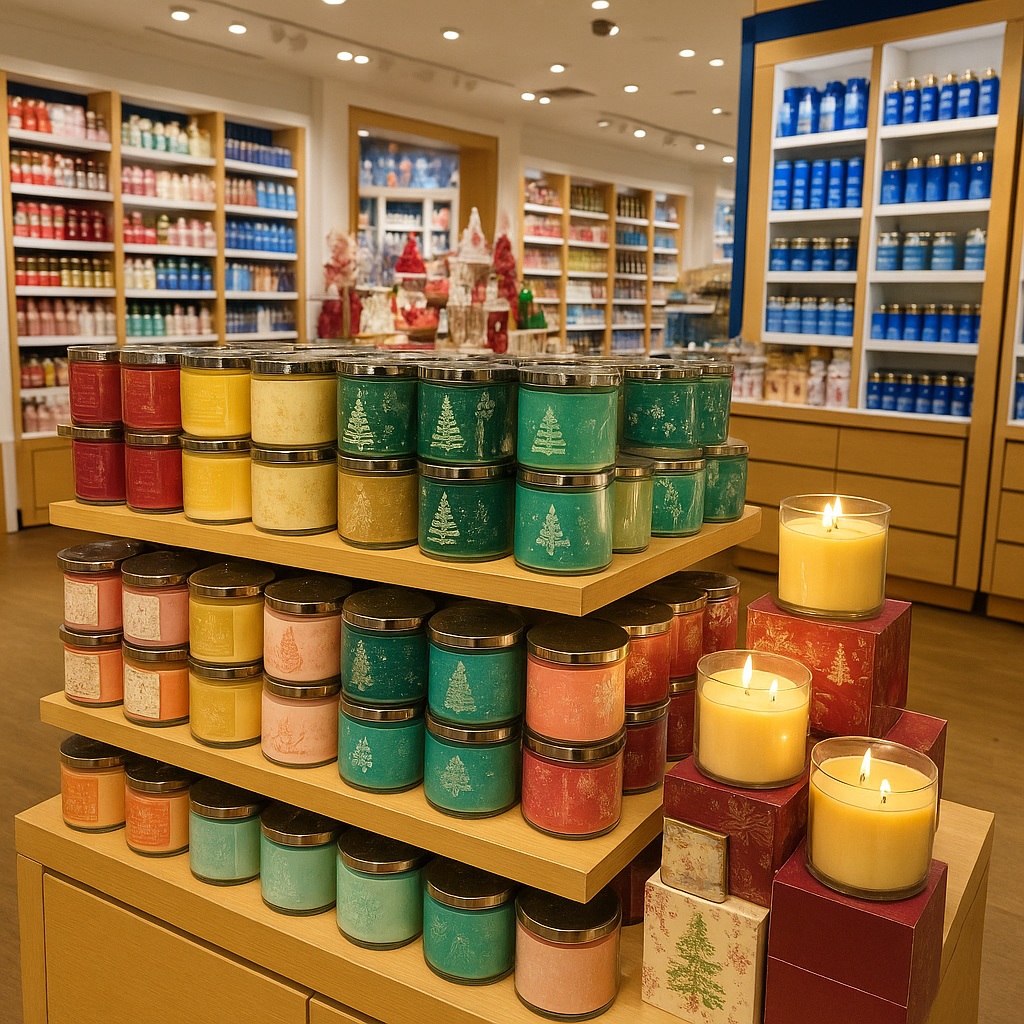
The specialty retailer lowers its full-year guidance as shoppers curb discretionary spending and new tariffs squeeze margins.
Bath & Body Works Inc. has trimmed its 2025 guidance, signaling fresh concerns about the strength of U.S. consumer demand and the growing financial drag of tariffs. The company, known for its scented candles, personal-care lines, and seasonal fragrances, said that weakening sentiment is forcing shoppers to make harder choices—choices that increasingly leave higher‑margin self‑care products out of the basket.
Executives noted that although traffic has remained relatively steady across many of its mall and lifestyle‑center locations, conversion rates and average ticket sizes have softened. This shift reflects a broader pattern across the retail sector: consumers are buying, but they are buying less. Inflation has cooled from its earlier peaks, but households remain cautious, prioritizing essentials while pulling back on categories viewed as treat‑oriented or discretionary.
The impact is compounded by a new round of tariffs affecting key fragrance oils, packaging materials, and accessories. According to company leaders, the tariff burden has raised input costs in a way that is difficult to offset without triggering further pressure on demand. Even small increases in production expenses ripple quickly through limited‑assortment retailers. Bath & Body Works has accelerated negotiations with suppliers and is exploring alternative sourcing, but these measures will take time to affect the cost structure.
Analysts say the company’s revised full‑year expectations underscore the fragile state of consumer‑facing sectors entering the holiday period. Retailers are being forced to walk a tightrope—holding promotional activity high enough to entice value‑conscious shoppers while protecting profitability. Bath & Body Works has leaned on targeted discounts and loyalty‑program incentives, but executives warn that prolonged reliance on markdowns would weaken the brand’s long‑term pricing integrity.
Despite these pressures, the retailer points to several bright spots. Its e‑commerce business continues to show resilience, with customers responding positively to curated online exclusives and limited‑edition fragrance drops. The company is also expanding its wellness‑adjacent offerings—aromatherapy lines, sleep products, and home ambience collections—to capture categories that have experienced steadier demand even in a downshift environment.
Investors are watching closely to see whether the brand can maintain its momentum in product innovation while navigating higher costs. Market specialists note that consumer behavior is particularly difficult to gauge this season: shoppers are waiting longer before making purchases and increasingly comparing prices across platforms. That dynamic complicates inventory planning and raises the risk of end‑of‑season markdowns.
The retailer’s leadership maintains that its long‑term strategy remains intact. A renewed focus on customer experience, streamlined operations, and disciplined merchandising, they say, will leave the company well‑positioned once macroeconomic pressures ease. For now, the lowered guidance serves as a reminder that the retail recovery is uneven and highly sensitive to shifts in household confidence.
As the holiday atmosphere builds, Bath & Body Works faces the challenge of converting seasonal enthusiasm into reliable sales without leaning too heavily on promotions. Whether the brand can strike that balance will determine how quickly it can regain footing and restore momentum heading into the next fiscal cycle.




 The Tower Post