
Analysts warn that Europe is facing a widening spectrum of covert Russian operations — from cyber intrusions to sabotage and supply‑chain disruption — as tensions deepen.
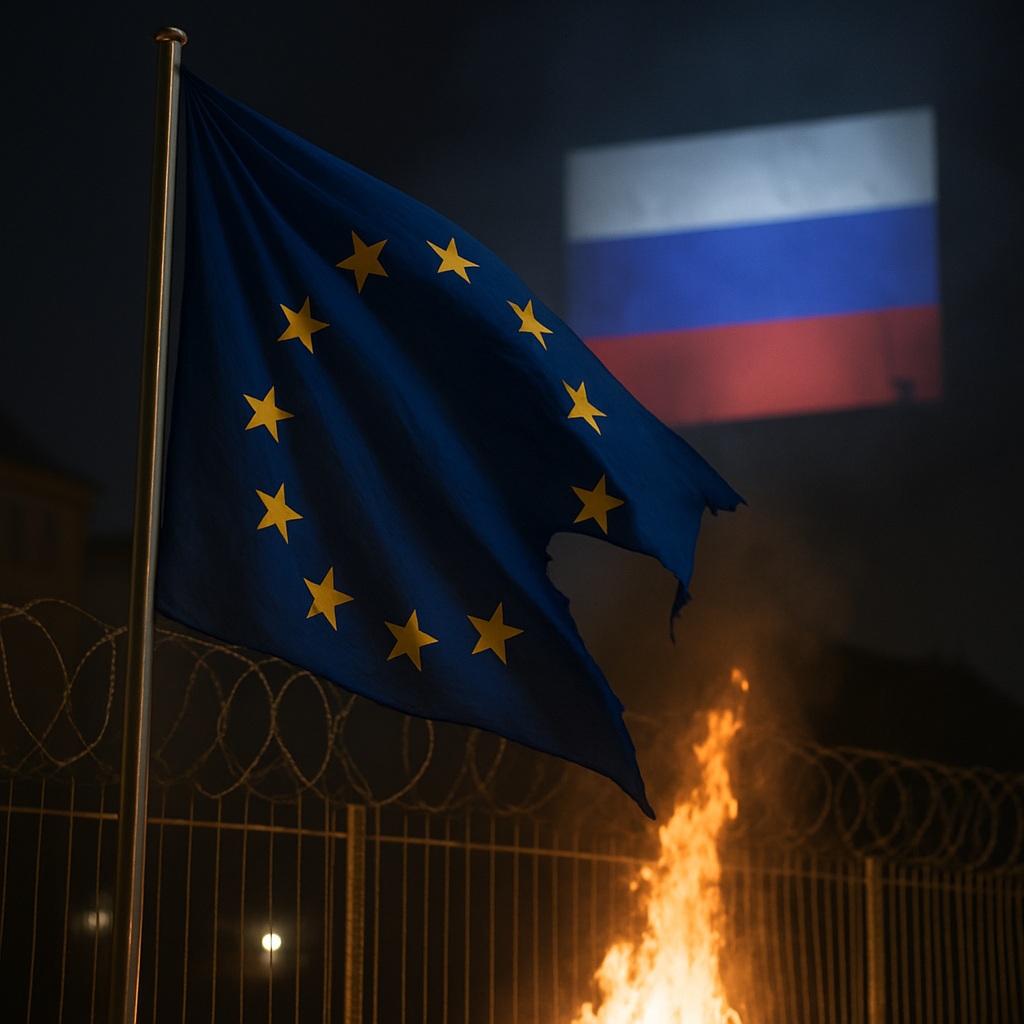
In recent months, European intelligence agencies and private security analysts have intensified warnings about what they describe as an expanding “shadow war” waged by Russia across the continent. Rather than conventional military confrontation, the activities are diffuse, deniable, and increasingly sophisticated, blending cyberattacks, disinformation, industrial interference, and covert sabotage.
Officials across several European capitals say the pattern has become unmistakable. While none of these actions individually constitutes a direct act of war, together they form a persistent campaign designed to weaken European institutions, fracture alliances, and sow long‑term uncertainty.
Cybersecurity specialists report a marked surge in intrusions aimed at strategic sectors, including energy distribution, transportation networks, and government systems. Many of these operations have used advanced intrusion techniques, often attributed to Russian state‑linked groups. Analysts say the objective is not only to steal information but to map vulnerabilities for potential future disruption.
Beyond cyberspace, Europe has witnessed a series of unexplained industrial incidents that investigators now believe fit a broader pattern. Railway signaling failures, communications outages, and fires at critical infrastructure sites have prompted renewed scrutiny. Though definitive attribution remains difficult, intelligence officials say the incidents align with known Russian strategies emphasizing sabotage and psychological pressure over outright confrontation.
Supply‑chain disruption has also emerged as a key battleground. Security agencies describe efforts to infiltrate logistics hubs, shipping routes, and distribution centers. In some cases, digital interference has delayed essential goods; in others, disinformation campaigns have targeted public trust in food and energy supplies. The cumulative effect, analysts warn, is a slow erosion of resilience within European economies.
Several European governments have responded by tightening intelligence‑sharing frameworks and increasing protection for vulnerable infrastructure. Joint task forces have been expanded, and cybersecurity drills have been conducted with unprecedented frequency. Yet officials acknowledge that the challenge is complex: the tactics are designed to remain below the threshold that would trigger a unified military response.
Experts say the shadow‑war approach carries strategic advantages for Russia. It allows the Kremlin to maintain plausible deniability while steadily applying pressure. It also forces European nations to divert significant resources to defensive measures, stretching budgets and political attention.
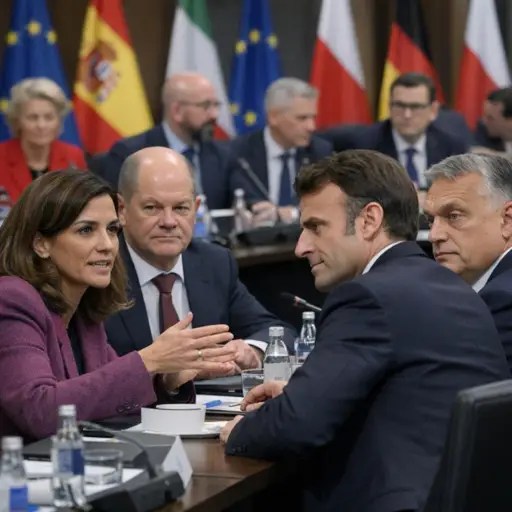
Despite this, analysts argue that Europe is entering a phase of heightened awareness. Public discussion of hybrid threats has intensified, and calls for coordinated response mechanisms are growing louder. While disagreements persist among policymakers about how confrontational Europe should be, there is broad recognition that the threat is real — and growing.
Europe’s ability to adapt, experts say, will determine whether it can withstand a campaign designed to exploit ambiguity and fatigue. For now, the continent finds itself on a quiet front line: a battlefield without declarations, fought in servers, factories, rail corridors, and information channels, where the stakes may be as high as any in recent history.



 The Tower Post