
Brands reverse contraction, increasing physical‑store square footage in the United States as optimism returns to luxury fashion.
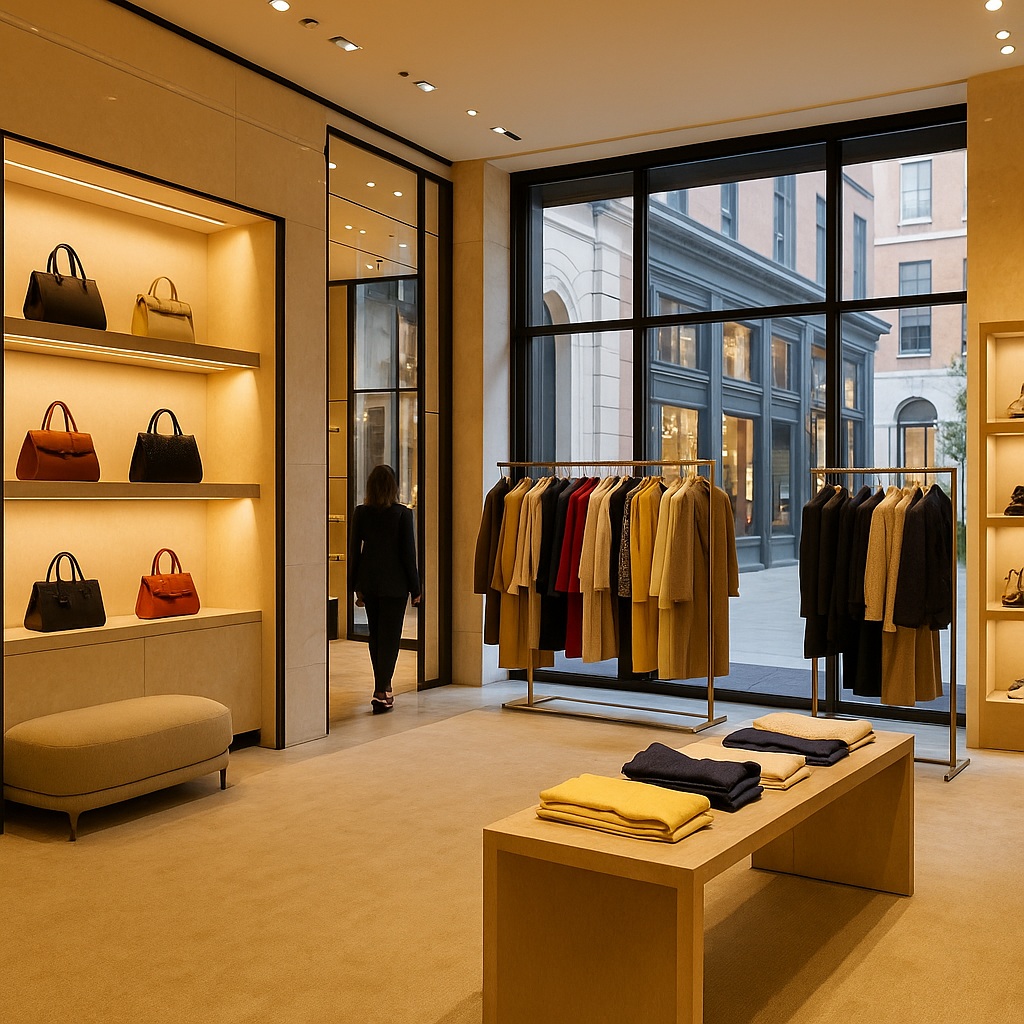
In a clear sign of renewed faith in the physical retail model among luxury fashion houses, U.S. luxury retail square footage experienced a pronounced rebound in the first half of 2025. After a period of contraction the year before, luxury brands are now actively increasing their brick‑and‑mortar presence, signaling fresh optimism in the high‑end segment.
Analysts and industry observers report that newly opened luxury retail floor space in the U.S. rose sharply in the first half of the year compared with the same period in 2024. The uptick follows a modest decline last year, when openings slowed amid economic uncertainty and changing consumer behavior.
During the pandemic and its aftermath, many luxury labels adopted a defensive stance: closing underperforming stores, consolidating operations, and leaning heavily into e‑commerce. Now, that trend appears to be reversing. The resurgence of physical expansion in 2025 highlights the renewed importance of experiential retail — a core pillar of the luxury value proposition.
Experience remains the strongest differentiator for luxury brands, and physical stores are once again being positioned as immersive environments where clients receive personalized service and exclusive engagement. Brands are investing in localized assortments, premium store design, hospitality‑driven layouts, and integrated digital tools that connect store visits with online ecosystems.
Several dynamics are fueling this expansion. First, the U.S. continues to be viewed as a resilient and strategically vital luxury market. Tourism has strengthened, affluent domestic spending remains solid, and top‑tier retail corridors continue to command high brand visibility. Second, many brands are re‑entering the market with more strategic site selection, focusing on flagship‑level experiences or targeted regional growth rather than widespread rollouts.
Retail real‑estate experts note that luxury brands are increasingly selective — pursuing fewer but higher‑impact locations. Developers report increased interest in prime high streets and luxury malls, even as broader retail development remains subdued. The emphasis has shifted from scale to quality, with stores functioning as brand showcases rather than simple distribution points.
Still, challenges remain. Luxury retail build‑outs are expensive, and operating costs — from labor to supply chain to materials — continue to rise. Brands expanding their footprints must ensure that new stores generate strong customer engagement and incremental sales to justify investment. They must also continue integrating sustainability and technology to meet evolving client expectations.
Looking ahead, the strong momentum of early 2025 sets the stage for a pivotal year. If luxury brands sustain their investment pace, U.S. luxury retail could approach pre‑contraction levels by year’s end. The true test, however, will be store performance: whether these new and expanded locations deepen loyalty, elevate brand equity, and drive long‑term growth.
As of late November 2025, the message is clear: physical retail is not merely surviving in luxury — it is being reimagined, reinvested in, and positioned as a central engine of the sector’s future.


 The Tower Post