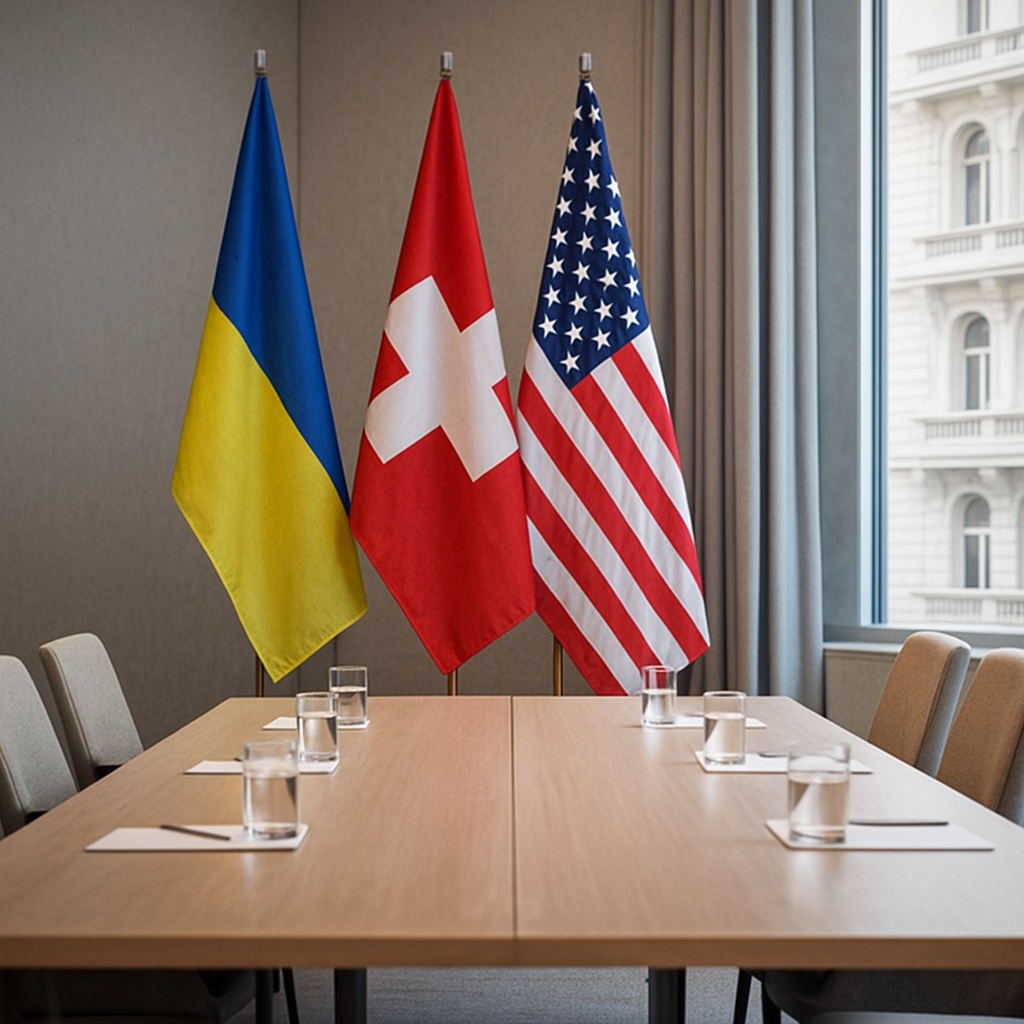
Kyiv accepts Washington’s invitation to dialogue in Geneva, as European capitals insist any settlement include all allies and safeguard Ukrainian sovereignty.
Geneva, Switzerland — In a move that could mark the beginning of a critical diplomatic turn in the nearly four‑year war, Ukraine has accepted a U.S. invitation to hold high‑level talks in Switzerland aimed at charting the end of hostilities with Russia.
The discussions are scheduled in the Swiss city of Geneva, where senior Ukrainian negotiators will meet their American counterparts to examine a freshly proposed 28‑point peace framework put forward by the United States. The plan, which Ukraine says they did not fully help draft, calls for territorial concessions, the downsizing of Kyiv’s military, and a pledge to never join the North Atlantic Treaty Organization — terms Kyiv acknowledges but is pressing to reshape.
A delicate opening salvo
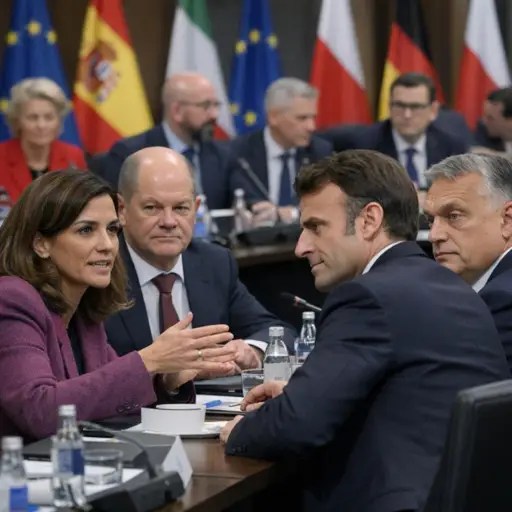
The Ukrainian announcement confirmed that consultations will soon begin with the U.S. delegation to review the draft. In parallel, Europe’s capitals expressed mounting concern that the U.S. initiative has rushed ahead without adequate participation from European states — leading to fresh efforts to orchestrate a unified response.
From Kyiv’s vantage point, the decision to engage with Washington indicates both pragmatism and caution. Ukrainian officials say they will use the meetings to defend national interests, protect sovereignty, and secure meaningful security guarantees while rejecting any deal they believe would amount to surrender.
Washington’s bid and European reluctance
The U.S.’s urgency in convening talks reflects a broader strategic push to end the war. Yet Europe’s leading powers have voiced deep reservations. They argue that the U.S. plan under‑emphasizes Ukrainian territorial integrity and fails to give sufficient weight to European security architecture — warning it could leave Kyiv vulnerable to a future Russian assault.
As a result, while the talks—with American and Ukrainian officials only—are now underway, European capitals are mobilizing to ensure any final agreement includes them. They view a purely bilateral Ukraine–U.S. deal, absent European involvement, as potentially destabilizing.
What’s at stake for Kyiv
For Ukraine, this moment carries immense risk and opportunity. On one hand lies the prospect of finally securing diplomatic resolution to a conflict that has drained its people and economy for years. On the other hand looms the specter of a deal that could compromise its long‑term sovereignty and territorial aspirations.
Ukraine has stressed that peace must be rooted in security and justice — not merely a cessation of hostilities. Officials emphasize that they will not yield on key red lines, even as they engage in dialogue.
Another dimension is the question of Russian behavior post‑deal. Kyiv insists any settlement must include credible guarantees against renewed aggression — scrutiny that EU and NATO allies share. U.S. negotiators appear prepared to press on, perhaps at a speed the Europeans deem excessive.
Switzerland’s diplomatic staging ground
The choice of Switzerland as the venue underscores Geneva’s enduring status as neutral ground for international diplomacy. While the location carries symbolic weight, the real test lies in substance: will the parties agree on terms that offer both an end to fighting and robust safeguards for Ukraine’s future?
Observers suggest this could be the first phase of a multi‑stage process: initial consultations to define parameters, followed by broader multilateral talks involving Europe and possibly Russia. Whether the talks in Geneva mark a pivot or merely a postponement remains to be seen.
What to watch
In the coming days, attention will turn to several indicators:
- Whether Ukraine puts forward counter‑proposals or insists on changes to the U.S. draft.
- The extent to which European states get formally involved, either as observers or active participants.
- How permissive Russia becomes in the background, and whether it signals readiness to deal with Ukraine directly.
- Domestic responses inside Ukraine: public opinion, parliament debates, and military leadership.
- The question of timelines: whether deadlines set by the U.S. hold, or extend into a protracted process.
A cautious yet historic turn
The Geneva consultations between Ukraine and the U.S. represent a potentially historic juncture: the transition from battlefield conflict to diplomatic negotiation. But transition does not guarantee success. A deal that compromises Ukraine’s sovereignty, leaders warn, is worse than no deal.
As Kyiv aligns with Washington for now, European capitals insist that the inclusion of all stakeholders is essential for any lasting settlement. The coming days will show whether the Geneva talks become a stepping‑stone toward peace or another chapter in a long stalemate.
For Ukraine, the stakes could not be higher: a turn toward peace, or a compromise of principle. As the war continues in the background, diplomats assemble in Switzerland carrying the hopes — and warnings — of nations far beyond Geneva.



 The Tower Post