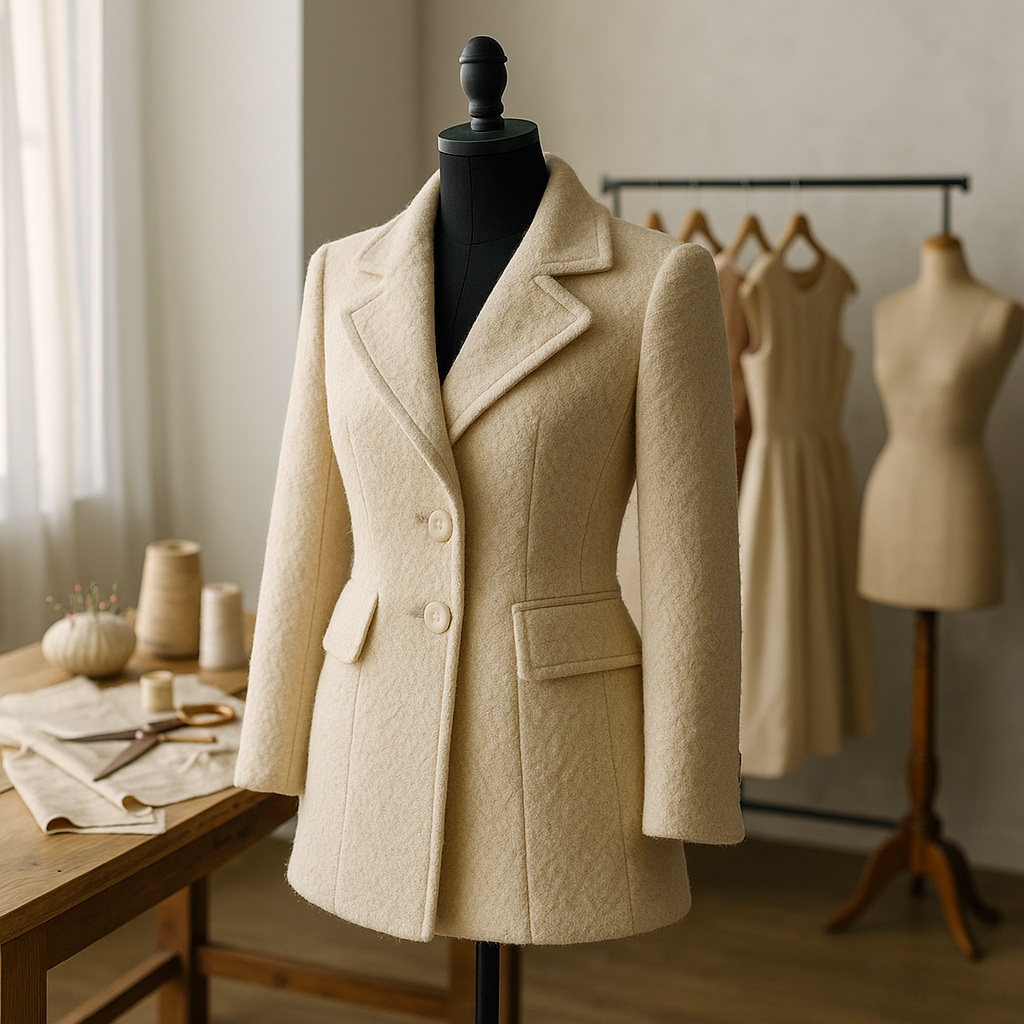
From Dublin kitchens to Kensington Palace and London runways — the life and legacy of the man who helped shape the style of a modern princess and a community.
Today, the world of fashion mourns the passing of one of its quietly brilliant forces. Paul Costelloe, the Irish-born designer who became the personal couturier to Diana, Princess of Wales and a fixture at London Fashion Week for decades, has died aged 80 after a brief illness, surrounded by his wife and seven children in London.
Born in Dublin in 1945, Costelloe spent his formative years among fabrics and tailoring thanks to his father’s coat-making workshop. His journey into high fashion saw stints in Paris and Milan before he launched his eponymous label, Paul Costelloe Collections, in the early 1980s. In 1983, his career reached a defining moment when he was appointed the personal designer to Princess Diana — a role he would hold until her death in 1997.
Costelloe’s alliance with Diana elevated his profile but also positioned him at the crossroads of high society and pop culture. He crafted evening gowns and wardrobe staples for a princess becoming a global icon, while simultaneously anchoring his brand in London’s competitive design scene.
Costelloe’s design aesthetic was less about loud spectacle and more about quiet sophistication. Through a career spanning menswear, womenswear, accessories and homeware, he maintained a signature of elegant tailoring, luxurious fabrics and unfussy structure. Observers noted how his collections brought romance and femininity back to the catwalks, even as the industry shifted toward flash and hyper-trend.
His presence at London Fashion Week stretched over four decades, becoming a reliable frame for each season’s evolution of his brand. Within Irish and British fashion circles, he came to represent something of a bridge — the Irish creative spirit shining internationally, and the London ready-to-wear community grounded in craft and consistency.
Though the label bore his name, Costelloe’s brand was many-layered: a family affair, a manufacturing network spanning Britain and Italy, and a cultural ambassador role for Ireland. He was also known for mentorship and steady generosity behind the scenes. Fellow designers and colleagues recalled him as someone who quietly supported younger creatives and never lost sight of the craft that started him out.
With his passing, a chapter closes on a designer who never chased the spotlight, yet frequently found it. His role with Princess Diana alone would have cemented his place in fashion history; his sustained presence in design and business did far more. For Ireland, he helped prove that global-scale fashion design could flourish beyond London, Paris and Milan. For London, he held ground through shifting tides of retail, trend and technology.
What remains is more than photo-worthy gowns or runway moments. It is a blueprint for how to sustain a brand with integrity, how to remain relevant without sacrificing identity, and how to dress a princess without forgetting the person behind the title.
As the industry acknowledges his passing, the words of his peers echo: he was a gentleman, a design stalwart and a test of fashion’s staying power. The houses he created, the clothes he brought into being and the mentorship he quietly offered — all these endure.



 The Tower Post