
European Commission President declares that any peace deal must preserve Ukraine’s territorial integrity and defence capabilities — no forced concession of land, no enforced army downsizing.
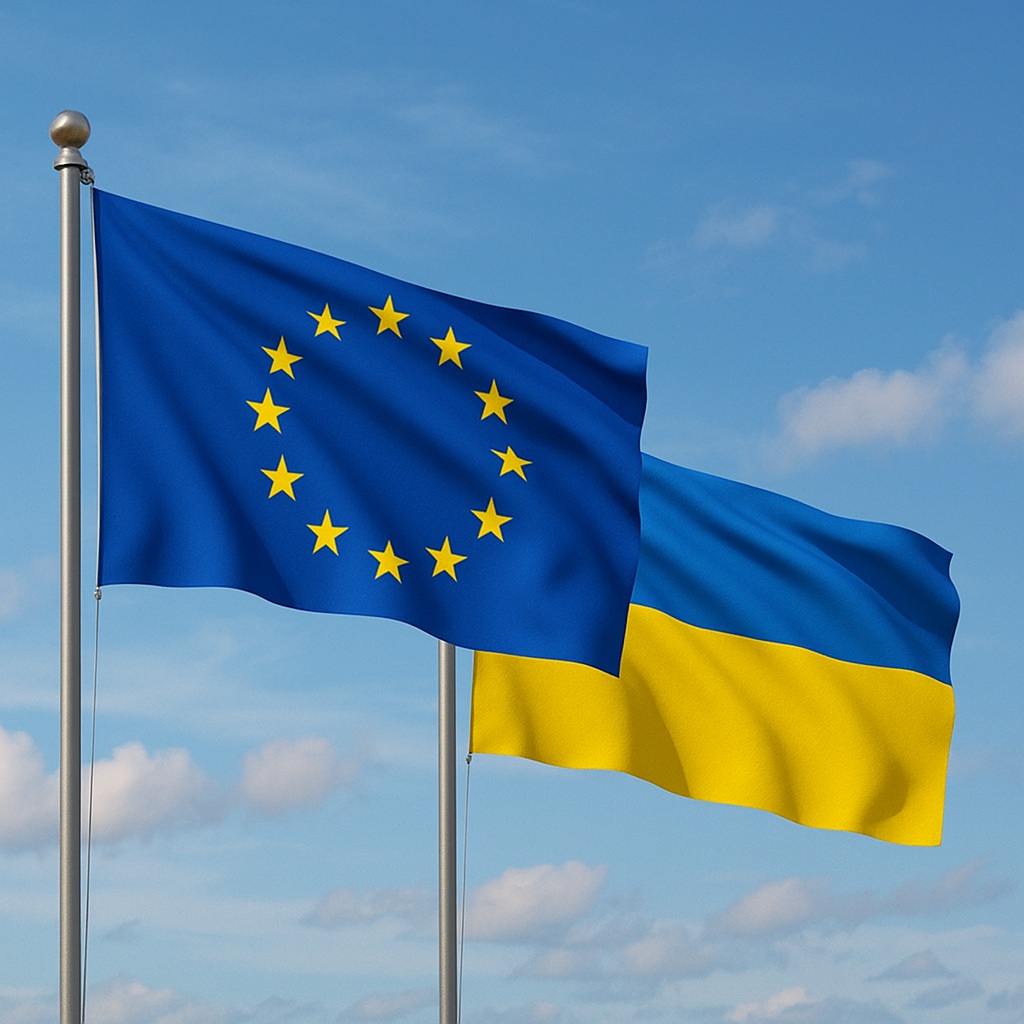
Brussels — In a clear and unambiguous address to Europe’s diplomatic community, Ursula von der Leyen, President of the European Commission, declared that the sovereignty of Ukraine must be inviolable in any forthcoming peace settlement with Russia. She stated that Ukraine’s borders cannot be changed by force and that the country must not be pressured into reducing its military capability in ways that would leave it exposed.
Her remarks arrive at a delicate moment in Europe’s diplomatic landscape. High‑level discussions are ongoing across the continent as governments explore potential frameworks for ending the long-running conflict. Von der Leyen’s intervention reinforces the EU’s commitment to ensuring that any settlement aligns with international law and European security interests.
A Firm Line on the Lines on the Map
Von der Leyen underscored that no peace agreement can legitimise territorial changes imposed through military aggression. This position directly counters proposals that would allow Russia to retain control of Ukrainian regions captured during the war. According to the Commission President, Ukraine’s territorial integrity must remain intact if peace is to be both just and durable.
Defence and Deterrence: No Forced Downsizing
Another core element of her statement is the insistence that Ukraine must retain the sovereign right to maintain armed forces capable of defending the nation. Any clause in a peace settlement limiting troop numbers, weapon systems or defence infrastructure, she argued, would undermine Ukraine’s long-term security and, by extension, European stability.
Role of the EU: From Supporter to Stakeholder
Von der Leyen made clear that the European Union must play a central role in securing and sustaining peace in Ukraine. As Europe prepares for further negotiations, the Commission is seeking to ensure that the EU’s strategic interests are fully represented in talks traditionally dominated by Washington and other international actors. She emphasised that Europe has both a moral responsibility and a geopolitical imperative to shape the eventual outcome.
Challenges Ahead
Despite the clarity of Brussels’ position, significant challenges remain. Some international partners favour compromise-based frameworks that include territorial concessions or military restrictions. Additionally, Russia’s continued military pressure complicates Ukraine’s negotiating position. Ensuring unity among EU member states will also be critical as discussions progress.
Implications for Europe’s Security Architecture
Von der Leyen’s remarks reflect a broader shift in Europe’s strategic thinking. The war has pushed the EU to redefine its role from a primarily economic union into a security actor with increasing influence. Safeguarding Ukraine’s sovereignty is seen not only as a moral stance but as a crucial component of Europe’s long-term defence posture.
Conclusion
As negotiations gain momentum, Ursula von der Leyen’s declaration sets firm boundaries for what Europe considers a viable peace. Ukraine’s borders are not open to bargaining, its army must not be weakened by external pressure, and the EU intends to be a key architect of any future settlement. The durability of peace, she argued, depends on ensuring justice, sovereignty, and strategic stability for Ukraine and the entire European continent.



 The Tower Post