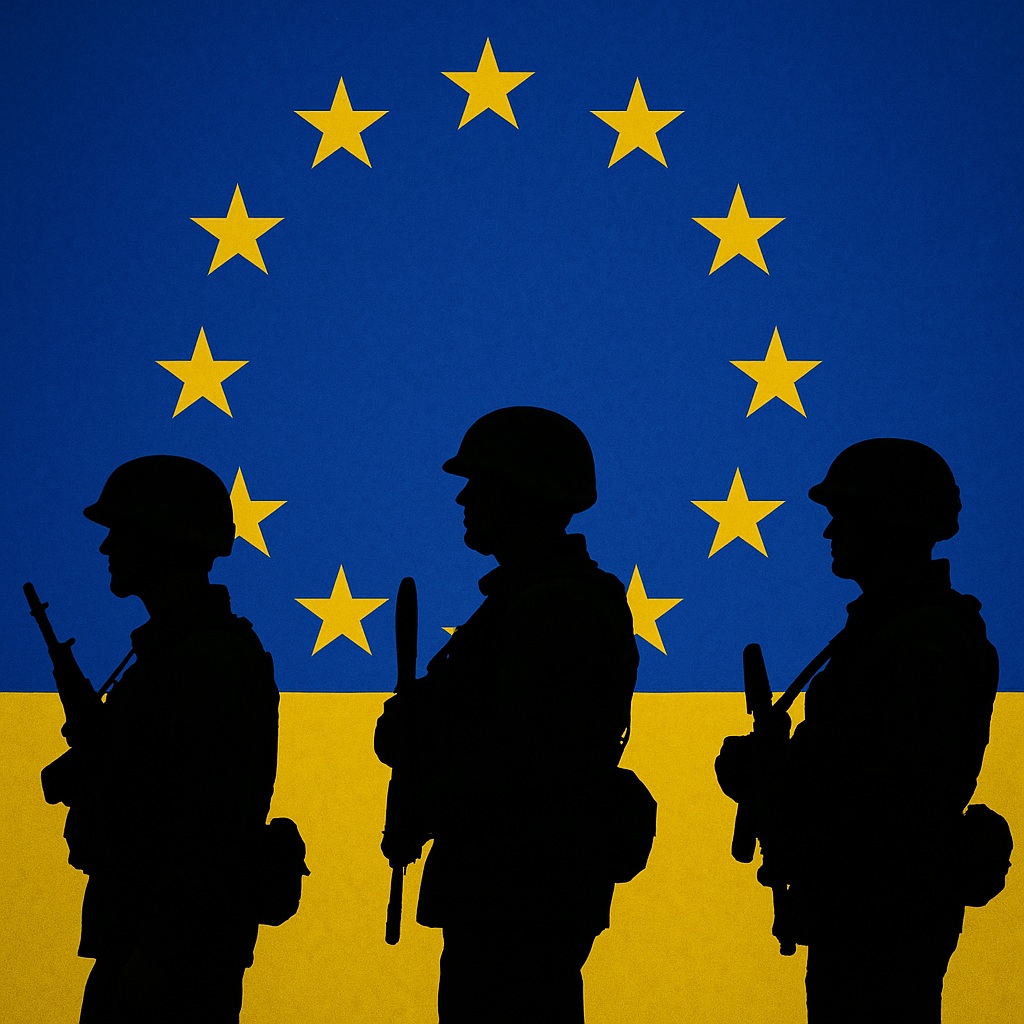
A growing divide emerges as European leaders outline a more ambitious and security‑anchored framework than the current U.S. proposal.
In a significant shift that underscores the evolving dynamics within the Western coalition supporting Kyiv, several European governments have begun circulating a reworked version of the U.S.-backed Ukraine security plan. The revised proposal, which has quietly gained traction in diplomatic channels, includes a higher cap on Ukraine’s standing army and introduces a NATO-style security guarantee—a notable departure from Washington’s more cautious blueprint.
European officials familiar with the discussions say the adjustments reflect lessons learned from the prolonged conflict and a desire to lock in long-term stability. The expanded army cap would give Kyiv a larger and more flexible force structure, particularly as it adapts to hybrid threats, drone warfare, and persistent strikes on infrastructure. Diplomats argue that the U.S. proposal, while robust in financial commitments, risks constraining Ukraine’s capacity to defend itself without steady reliance on Western rapid‑response brigades.
The inclusion of a NATO-style security clause marks an even more consequential change. Rather than formal membership—still widely believed to be politically unripe—the clause would bind participating nations to coordinated defensive consultation in the event of renewed aggression. While it stops short of NATO’s Article 5, the mechanism would oblige signatories to respond collectively and immediately, creating what one EU official described as “a political deterrent with teeth.”
Behind the scenes, the divergence stems from differing risk calculations. European states closer to Russia’s borders believe the U.S. framework leaves too much ambiguity around rapid support, fearing a scenario where delays or political gridlock in Washington could embolden Moscow. In contrast, the Biden administration—already navigating a divided Congress—has favored a more conservative path, focused on predictable funding and avoiding commitments that could be perceived as escalatory.
The European push reveals a broader trend: the continent’s growing readiness to shoulder more responsibility for security on its eastern flank. Several EU defense ministries have privately emphasized that maintaining a too-restrictive cap on Ukraine’s military could hamper long-term stability, especially as reconstruction plans hinge on improved security conditions. The debate also carries implications for Europe’s own defense spending, which has been climbing steadily as governments reconsider the region’s strategic dependencies.
While Kyiv has not publicly backed one version of the plan over the other, Ukrainian officials are said to support elements from both proposals. Analysts note that the European revisions align more closely with Kyiv’s long-term force development goals, though any agreement would require synchronized commitments from all major Western partners.
For now, the discussions remain ongoing, but European diplomats signal that the modified version is likely to feature prominently in upcoming negotiations. Should consensus emerge around a higher Ukrainian army cap and a more structured security commitment, the transatlantic alliance may face a fresh test of unity—one shaped not by withdrawal, but by ambition.
As winter approaches and diplomatic calendars tighten, the coming weeks will reveal whether Washington and Brussels can reconcile their approaches. What is clear is that Europe’s revised proposal marks a pivotal moment for the future of Ukraine’s security architecture, and potentially, for the balance of responsibility within the Western alliance itself.


 The Tower Post