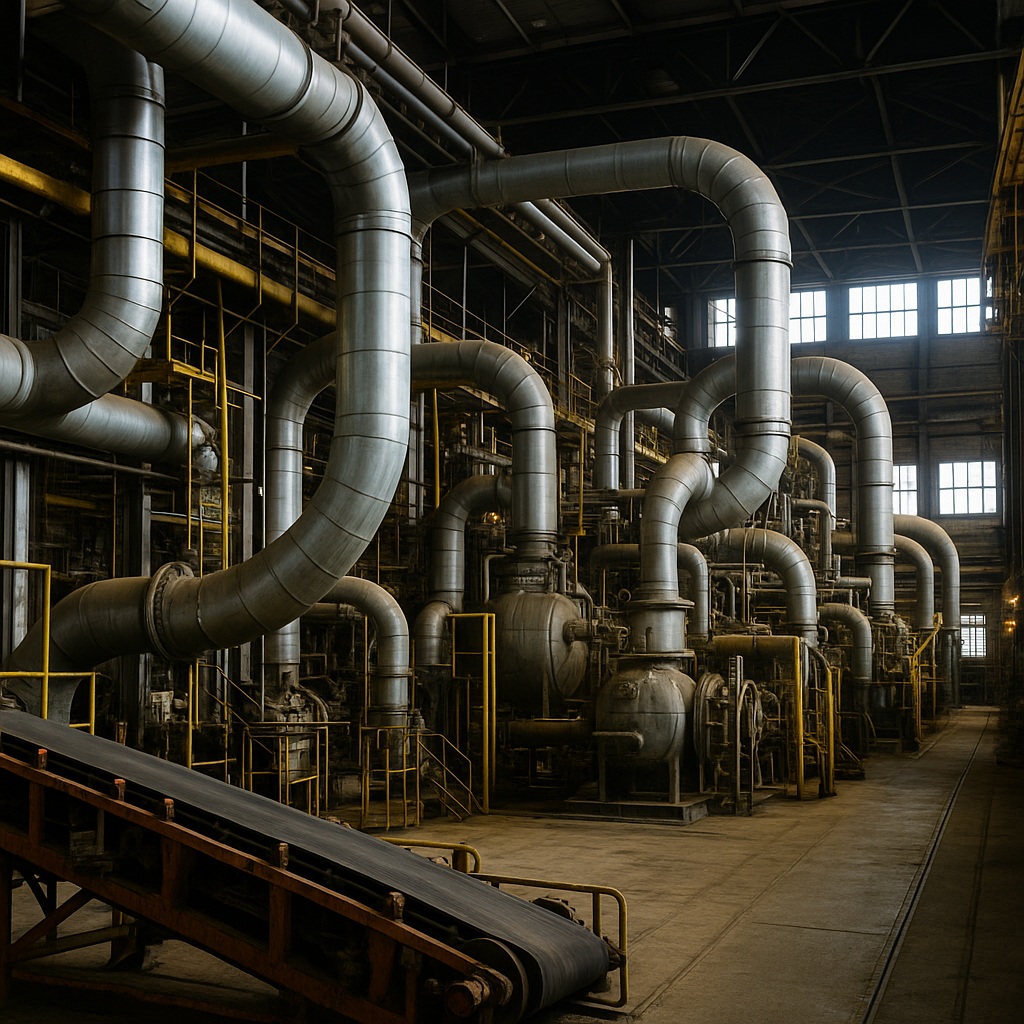
A pickup in producer price inflation signals fresh cost pressures in supply chains and industrial cost structures across the continent
As of late autumn, data from across Europe reveal that industrial producer prices increased by roughly 1.3% year‑on‑year in October. This development highlights mounting pressures on supply‑chain structures, production cost inputs and downstream pricing behaviour in the region’s manufacturing sectors.
Cost Pressures Emerge in Industrial Base
The recorded rise in producer prices reflects a confluence of factors stretching from raw‑material cost hikes to logistics bottlenecks and energy‑intensive manufacturing dynamics. For European industry, the further climb in costs signals that, while headline inflation remains moderate relative to peaks seen in recent years, the underlying cost base is under strain.
For companies operating in metal, chemical and heavy engineering sectors, the pass‑through of costs has begun to incrementally affect margins. At the same time, the limited output growth in some segments of manufacturing means firms are less able to absorb higher input costs without either elevating their pricing or sacrificing profitability.
Supply‑Chain Constraints Still Lingering
Despite signs of improvement in some supply‑chain metrics, the producer‑price uptick confirms that frictions remain. Delays in inbound shipments, regional infrastructure bottlenecks and energy‑cost volatility have all contributed to cost unpredictability. Producers note that their inventories and procurement lead‑times are still not fully back to pre‑crisis norms.
The raise in costs therefore not only reflects raw‑material inflation, but also the hidden cost premiums incurred through logistical and operational complications. These range from freight‑rate spikes to overtime labour costs and unscheduled downtime in plants. In short, the industrial cost ladder is being climbed from multiple steps.
Implications for Manufacturers and Policymakers
For manufacturers, the 1.3% climb in producer prices is a warning signal rather than a crisis. Yet it underscores the importance of strategic cost‑management: hedging input costs, redesigning supply chains to reduce fragility, and automating operations to insulate from rising wages and labour disruptions.
From a policy‑perspective, the uptick invites attention. If manufacturing‑input cost pressures continue unabated, the risk is that consumer inflation will get a second wind — through higher prices of industrially‑intensive goods — or that competitiveness will erode as exporting firms absorb cut margins. Policymakers may thus monitor whether the cost pressures translate into sustained inflation and consider targeted support for sectors with heavy cost burdens.
Outlook and Risks on the Horizon
Looking ahead, several variables will influence whether the producer‑price trend remains upward or stabilises:
- Energy prices: Volatility in gas, electricity or carbon‑trading may feed directly into industrial costs.
- Raw‑material markets: Metals, chemicals and commodity inputs remain exposed to global supply‑chain shocks and geopolitical risk.
- Logistics/back‑haul efficiency: Improvements in shipping, rail and road networks — especially when global demand softens — could ease cost pressure.
- Currency movements: For exporters, a weaker euro could amplify cost burdens if imported inputs dominate; conversely, a stronger euro might alleviate some pressure.
- Demand dynamics: Should demand for industrial goods soften, firms may refrain from passing on full cost increases and instead absorb some burden, compressing margins.
Should energy and input costs moderate, the producer‑price rise may ease. But if any of the key risks listed above intensify, we could see a sustained climb in production‑cost inflation, which may ripple into broader inflation trends or dampen manufacturing competitiveness.
Final Word
While the 1.3% year‑on‑year increase in European industrial producer prices is modest in magnitude, its significance lies in what it signals: a re‑emergence of cost pressures across manufacturing and supply chains that many firms had hoped were behind them. For now, the industrial sector in Europe is in a state of cautious adjustment — verifying whether the cost pressures are transitory or mark a structural shift in the cost of production.




 The Tower Post