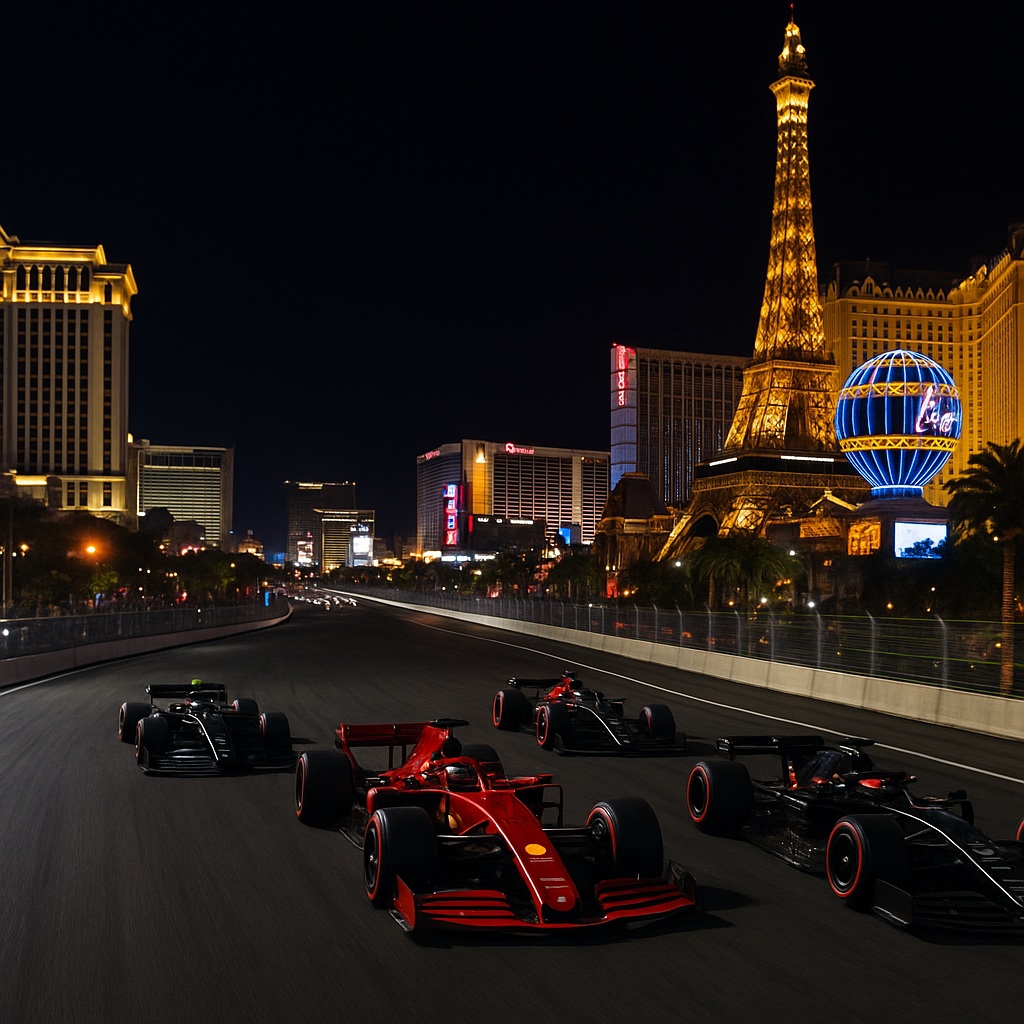
As the world’s eyes turn to Las Vegas, drivers of the Formula One World Championship welcome the spectacle — while calling for improvements in track build and calendar timing

The return of Formula One to the bright lights of Las Vegas has been widely heralded as a triumph of spectacle and location. Yet behind the amplified cheers and neon‑soaked backdrop, drivers competing in this year’s championship have issued pointed critique over two key areas: the surface quality of the circuit and the positioning of the race in the schedule.
Location love, but friction beneath the surface
For many drivers, racing through the heart of the Entertainment Capital of the World on the street layout has been a highlight of the season. As one competitor put it in the paddock: “Anywhere you look there’s a casino, the Strip, the lights — it feels like a different league.” The setting certainly delivers on drama and global viewership.
But once they step onto the asphalt — and into the car — the sheen fades somewhat. Several drivers lamented the inconsistent surface, variable grip levels and, in some corners, patchy asphalt changes which had not fully settled. One team source noted that after the opening free practice many had remarked on “bumps that just don’t belong in an F1 weekend”. Others quietly added that the barrier proximity and narrow run‑offs in key braking zones left less margin for error than they’d expect in a top‑tier venue.
“We love being here — but we shouldn’t have to compromise”, said a veteran driver after the final practice session. The sentiment sums up what many believe to be the current situation: while Las Vegas delivers on spectacle, many in the paddock feel the engineering fundamentals of the track still lag behind the event’s grandeur.
Timing dilemma: Where does Vegas sit in the season?
On the scheduling front, opinions converge that the positioning of the Las Vegas race is a logistical challenge. With many teams already fatigued at this stage of the season, the late‑in‑the‑year slot has amplified travel demands, jet‑lagged bodies and compressed turnaround times. One driver described the weekend as “feels more like a summer festival than a championship decider” — in part due to the lights‑to‑early‑morning sessions and non‑traditional slot that pulls across time‑zones.
Concerns focus especially on how such scheduling influences team performance, driver recovery and the physical toll of a night/early‑morning format. Several mechanics and engineers confirmed that the maintenance windows were tighter than at other events, with certain systems showing accelerated wear given the stop‑start rhythm of a street circuit in such a festive environment.
Team principals echoed these remarks, pointing out that “we are asking our personnel to perform at the same peak level as any other race, but under conditions of city centre disruption, night timing and a later calendar slot”.
Brighter flashes, but patches to fix
Despite these criticisms, the collective mood remains markedly positive towards the location itself. The Las Vegas infrastructure, hospitality and global reach give the championship a stage few other circuits can offer. Drivers universally applauded the city’s willingness to host a late‑season blockbuster and the global‑scale audience who tuned in.
One rising star driver said: “You’re going to remember this race, even if sometimes the surface reminds you you’re in a street circuit.” That acknowledgment is telling: the drivers accept the trade‑offs of the venue, but quietly expect the standards to evolve.
Moving forward, team insiders hope that newer asphalt sections will settle further, run‑off zones will be reassessed and the scheduling will be tweaked to meet the realities of high‑performance operation. Whether the organisers of this high‑profile event heed those calls may determine whether Las Vegas becomes a long‑term staple of the championship in the same league as traditional circuits — or remains a dazzling one‑off spectacle with room for improvement.




 The Tower Post