
In a landmark decision for Europe’s regulatory framework, the European Commission grants unconditional clearance to the headline-making purchase of The Interpublic Group of Companies (IPG) by Omnicom Group Inc., signalling a new era of consolidation in the global advertising sector.
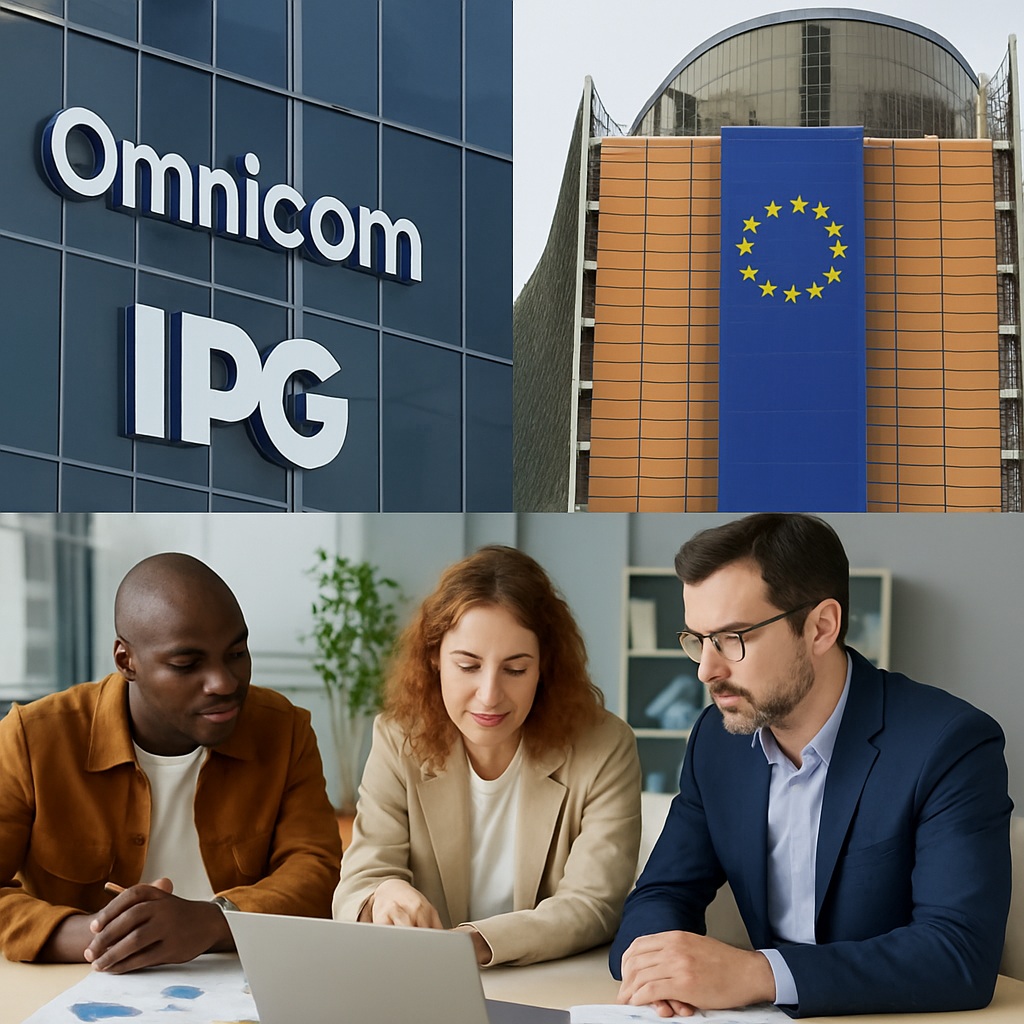
The European Commission has given its full and unconditional approval to Omnicom Group’s acquisition of The Interpublic Group of Companies. This regulatory green-light marks the final hurdle the transaction needed to clear within the European Economic Area (EEA). The Commission’s decision states that the merger would raise no competition concerns within the EEA.
From a business and regulatory standpoint, the decision is notable for several reasons. First, it reflects the evolving landscape of agency economics and the pressure on legacy advertising businesses to scale up and adapt to the digital, data-driven era. Second, it demonstrates the Commission’s readiness to endorse major consolidation within the services sector—even at global scale—as long as the transaction passes its competition test.
Originally announced about a year ago, the deal envisions Omnicom acquiring IPG in an all-stock transaction valued at more than $13 billion. The combined entity is projected to become the largest advertising and marketing-services holding company globally, surpassing established rivals.
In practical terms, the merging of these giants brings together Omnicom’s advertising, media-buying and digital-marketing networks with IPG’s diversified agency portfolios. The business rationale emphasizes cost synergies, cross-sell opportunities in global markets, and scaling up capabilities to face growing competition from technology platforms.
For the European Commission, this represents a significant test of its merger-control regime in the services sector. Typically, large manufacturing or infrastructure deals might trigger deeper scrutiny; here, the market under review is advertising, media and communications. The Commission’s clearance without conditions is thus a message to the market that the structural impact on competition within the EEA is limited.
The approval also relieves one of the final regulatory bottlenecks for the transaction. From a European perspective, this development arrives in a context in which the broader advertising ecosystem is under pressure—platforms commanding more data, rising client demands for global reach, and the need for scale to support investment in technology.
Market and strategic implications include the ability of the merged company to leverage combined networks for broader geographical reach, the expectation of significant cost efficiencies through synergies, the likelihood of competitive responses from rival firms, and the potential influence of this regulatory decision on how future advertising-industry mergers are assessed in Europe.
Politically and regulatorily, the acceptance of the deal raises questions about how competition authorities interpret global, service-based markets. The Commission’s conclusion that there is no competitive harm within the EEA indicates that scale, market share and cross-border overlap were assessed as non-problematic.
Looking ahead, observers will be watching the integration process, regulatory reactions in other jurisdictions, client responses to the merger, and the possibility of additional consolidation waves across the advertising and marketing-services sector.
In granting unconditional approval, the European Commission has signaled that even mega-deals in dynamic service sectors can align with healthy competition in the EEA. The clearance of this prominent transaction paves the way for the newly combined entity to emerge as a global behemoth in marketing and advertising services.




 The Tower Post