
The climate summit ends without agreement on fossil fuel phase-out, exposing geopolitical fractures in Europe and beyond.
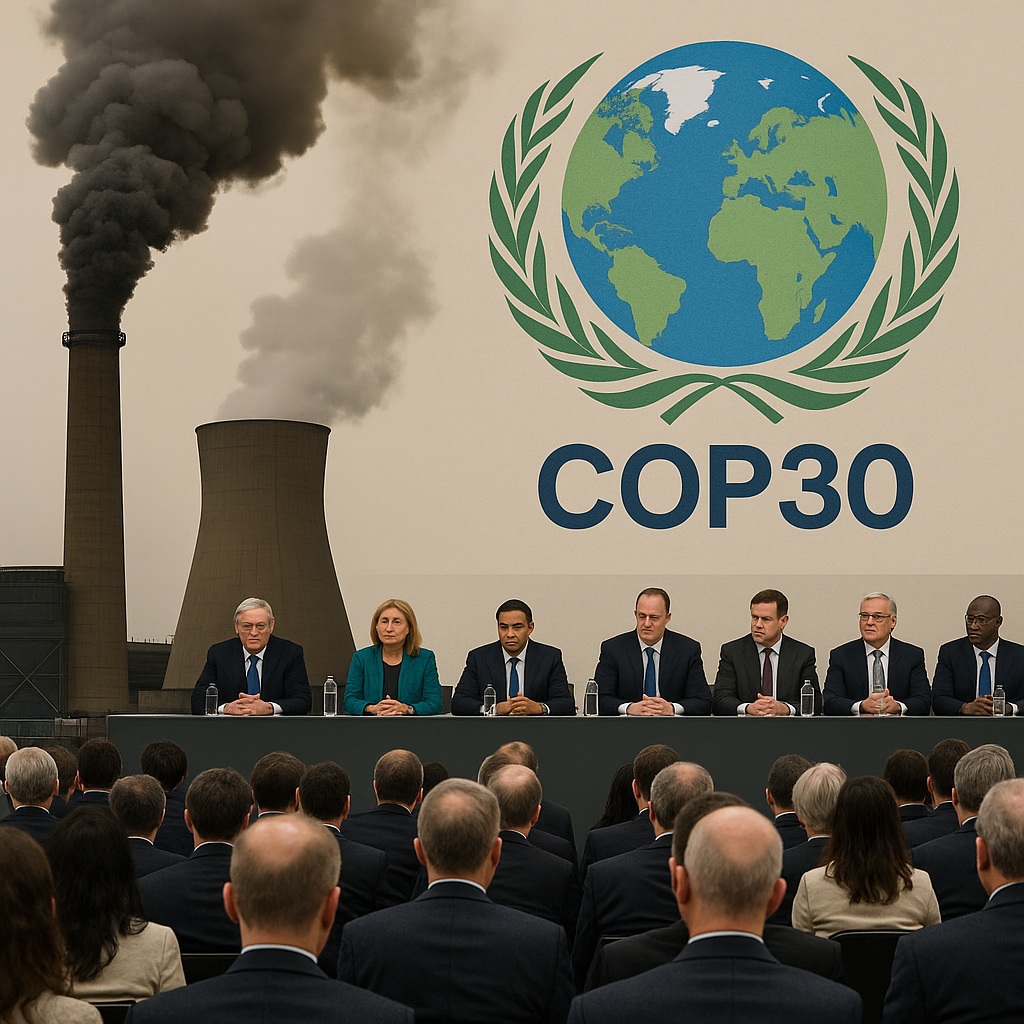
As negotiators packed their bags and left the humid corridors of Belém, expectations for a historic breakthrough at COP30 evaporated into the Amazonian air. The summit, long touted as a potential turning point for global climate governance, concluded without a commitment to phase out fossil fuels—an omission that immediately reverberated through diplomatic circles.
The talks were overshadowed by widening geopolitical rifts. Europe arrived in Brazil divided, unable to present a unified front as energy security concerns continued to shape national agendas. Some European leaders pushed aggressively for a firm phase-out timeline, while others—still stung by recent economic pressures—opted for language emphasizing “transitions” and “flexibility.” The result was a weakened negotiating bloc that struggled to counter the coordinated positions of fossil-fuel-producing nations.
Emerging economies, meanwhile, pressed their case for greater financial support before accepting any binding commitments. Climate finance negotiations stalled, caught between donor fatigue in wealthy countries and growing frustration among nations already facing intensifying climate impacts. Observers noted that even traditional alliances appeared strained, with countries that once walked in lockstep now splitting over political priorities and shifting regional dynamics.
The final text of the summit reflected these fractures. Instead of a clear roadmap to end fossil fuel dependence, delegates agreed on vague language encouraging “efforts” to reduce emissions.
Climate activists labeled the outcome a capitulation, pointing to the expanding gap between global climate pledges and the trajectory needed to prevent severe environmental disruption.
In conversations behind closed doors, diplomats acknowledged that the summit’s failure underscored something deeper: a global order struggling to adapt to a rapidly changing geopolitical landscape.
The absence of consensus on fossil fuels was not merely a technical setback but a symptom of faltering cooperation in a world marked by economic competition, contested transitions, and shifting alliances.
As the world looks beyond COP30, pressure will mount on governments to realign and confront the political realities that undermined progress in Belém. Whether they succeed may determine not only the fate of climate diplomacy but the future stability of international governance itself.



 The Tower Post