
Moscow rejects Europe’s alternative to the U.S.-backed peace framework, dimming prospects for a rapid end to the war.
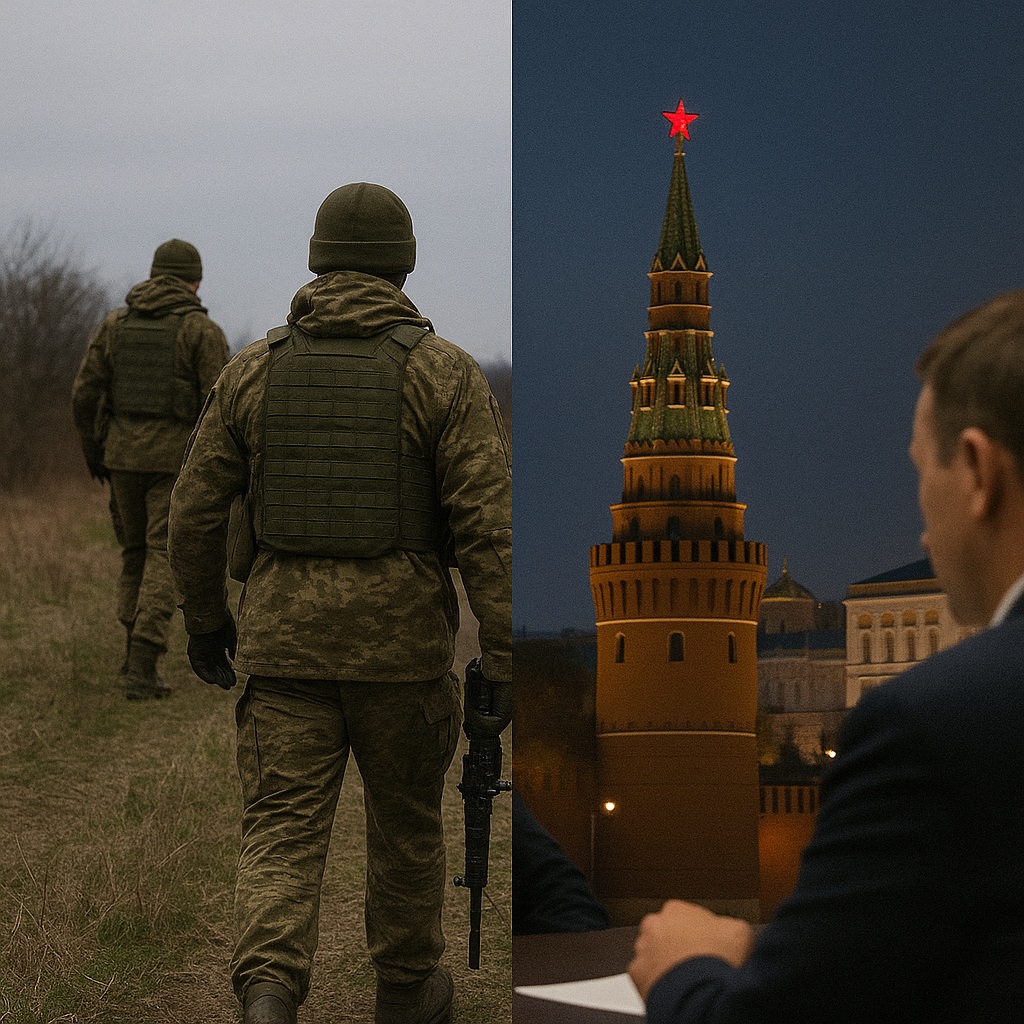
As the war in Ukraine enters another cold season, diplomatic efforts to end the conflict have reached a new impasse. Kremlin officials have rejected a European counter‑proposal to the U.S.-designed peace framework, asserting that the revised terms “do not work for us.” The stance not only undercuts Europe’s attempted mediation but also delivers a symbolic blow to former U.S. President Donald Trump’s ambition of securing a peace announcement before the Thanksgiving holiday.
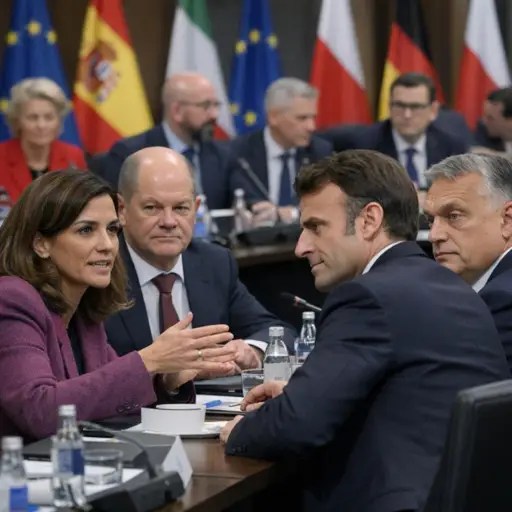
The U.S. plan — a 28‑point outline framing Ukraine’s future security posture, military limits, and territorial arrangements — was drafted to pressure Kyiv into accepting a negotiated end to the war. European capitals, wary that the plan was imbalanced and excessively favorable to Russia, attempted to soften several demands. Their counter‑proposal aimed to safeguard Ukraine’s sovereignty and preserve Europe’s strategic interests, altering provisions related to military restrictions and the long‑contentious question of NATO alignment.
Moscow’s curt dismissal of the European rewrite presents a new obstacle to diplomatic progress. While Russia has shown conditional openness to the U.S. version, it has emphasized repeatedly that only agreements fully aligned with its political and territorial expectations can be considered. By rejecting Europe’s alternative outright, the Kremlin appears to be sending a clear message: negotiations must proceed on Russia’s preferred track or not at all.
For Kyiv, the diplomatic terrain remains fraught. Ukrainian officials have stated consistently that any settlement must avoid legitimizing Russian territorial claims and must include credible guarantees that prevent future aggression. Accepting the current U.S. version would force Ukraine into concessions that many inside the government view as unacceptable. European governments, concerned about the precedent such concessions would set for continental security, have likewise expressed unease about Washington’s pressure campaign.
The Kremlin’s latest posture threatens to prolong the war by hardening negotiation lines at the very moment Washington sought a breakthrough. With European and American proposals now diverging — and Moscow publicly rejecting one side’s revisions — Ukraine faces a narrowed set of options, none politically or strategically ideal.
As winter approaches and battlefield conditions shift, the diplomatic stalemate risks widening. Europe may attempt further revisions or propose new security arrangements, but its influence appears weakened by Russia’s insistence on a more rigid framework. Meanwhile, expectations of a symbolic Thanksgiving peace declaration — floated in U.S. political circles — have faded dramatically.
With each failed attempt at alignment among Ukraine’s partners, Russia gains additional leverage. The coming weeks may determine whether the war edges closer to negotiation or slides deeper into protracted conflict, shaped less by battlefield decisions than by geopolitical deadlock.



 The Tower Post