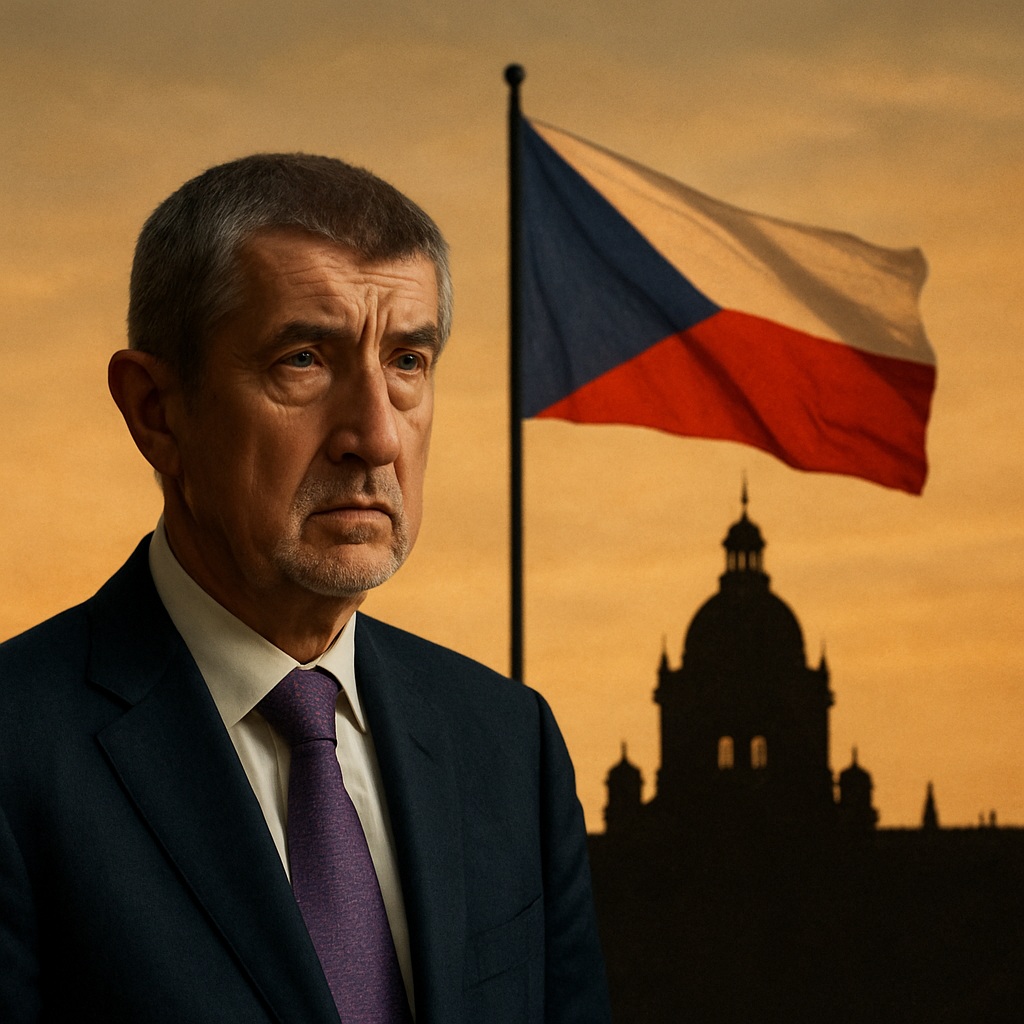
How the former Czech prime minister’s comeback illuminates the fault‑lines of populism, corruption and the war in Ukraine across the European Union
As Europe approaches a new political watershed, the resurgence of Andrej Babiš in the Czech political arena offers a cautionary tale for Brussels allies and sceptics alike. His latest comeback—marked by a parliamentary victory for his party and coalition gambits—underscores how the war in Ukraine and domestic grievances are reshaping the contours of European politics.
In the recent election in the Czech Republic, Babiš’s movement, ANO, returned as the dominant force. Analysts note that issues such as inflation, rising energy costs and public distrust of traditional elites provided fertile ground for his message of disruption. His victory thus represents not merely a domestic reset but a broader pushback against the pro‑EU, pro‑Western paradigm that has dominated central Europe since Russia’s invasion of Ukraine.
A populist comeback with familiar contours
Babiš, once Czech prime minister and a billionaire industrialist‑turned‑politician, has employed many of the playbooks of the populist wave seen elsewhere in Europe. He emphasised welfare guarantees over foreign policy posture, focusing on pensions, fighting corruption and promising to re‑orient priorities at home. Such a strategy helped him appeal to voters feeling squeezed by the cost‑of‑living crisis and anxious about long‑term geopolitical commitments.
Yet his return also arrives amid unresolved questions about his past. Babiš remains under scrutiny in connection with a long‑running EU subsidy case in which courts annulled a historic acquittal of his company. This backdrop of alleged corruption adds a layer of irony to his message of “cleaning up” the system even as he claims it.
The Ukraine war and foreign‑policy fault lines
Perhaps the most consequential dimension of Babiš’s comeback is his willingness to buck the current EU consensus on the war in Ukraine. During the campaign he cast doubt on Czech military‑aid programmes for Kyiv and blamed Czech taxpayers for bearing an indiscriminate burden. His coalition partners also include parties explicitly critical of NATO or the European‑led support for Ukraine.
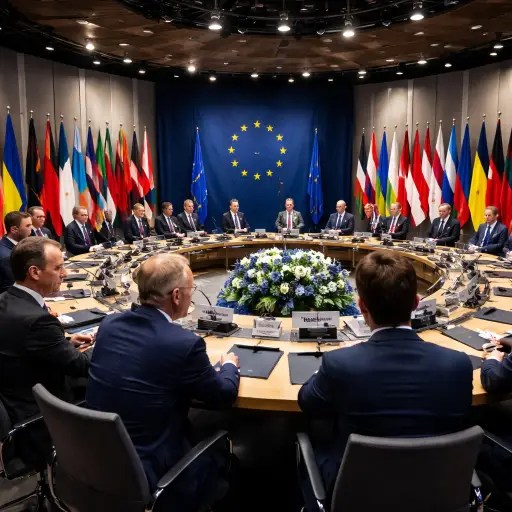
The implication is clear: while most Western European capitals continue to support Ukraine’s defence against Russia’s aggression, Prague under Babiš may chart a different course. That divergence risks creating a new fracture within the European Union—between core pro‑Ukraine states and emerging governments who prioritise “domestic first” agendas and question the scale of external commitments.
Eroding European cohesion?
What makes this shift particularly urgent is how it ties domestic politics to international alignment. The Czech case reflects a creeping scepticism of Brussels and of multi‑national obligation, all while populist elites exploit economic anxiety and cultural unease.
In practical terms, Brussels faces at least two risks:
- Policy inconsistency – If countries like the Czech Republic begin to scale back support for Ukraine, the EU’s ability to negotiate unified foreign‑policy positions or defence posture may weaken.
- Legitimacy drain – When domestic grievances dominate the agenda, publics may increasingly view EU policies as distant or mis‑aligned with national priorities, feeding the populist narrative of “Brussels vs the people.”
Corruption, accountability and the populist paradox
Another dimension is the paradox of authoritarian‑leaning populists campaigning on anti‑corruption messages whilst themselves being tainted by misconduct allegations. Babiš’s track record offers a case in point. His ability to marshal public discontent while standing accused of mis‑using subsidies means accountability systems may be tested afresh.
What it means for Europe’s future
As Europe moves through a period of uncertainty, the Babiš effect matters both as a warning and a mirror. It warns that electoral swings can swiftly unpick alliances built in the wake of Russia’s aggression. It mirrors a broader shift: citizens in several member‑states are signalling impatience with protracted external commitments while economic and social strains mount.
Ultimately, Babiš’s return amplifies an uncomfortable truth: the war in Ukraine and its aftershocks are not only about tanks and diplomacy. They are increasingly embedded in electoral politics, cultural narratives and national reckonings. If the European project wishes to endure, it must navigate not just external threats, but internal fault‑lines exposed by the populist resurgence.



 The Tower Post