
Transatlantic trade tensions sharpen as Washington links tariff relief to sweeping European concessions.
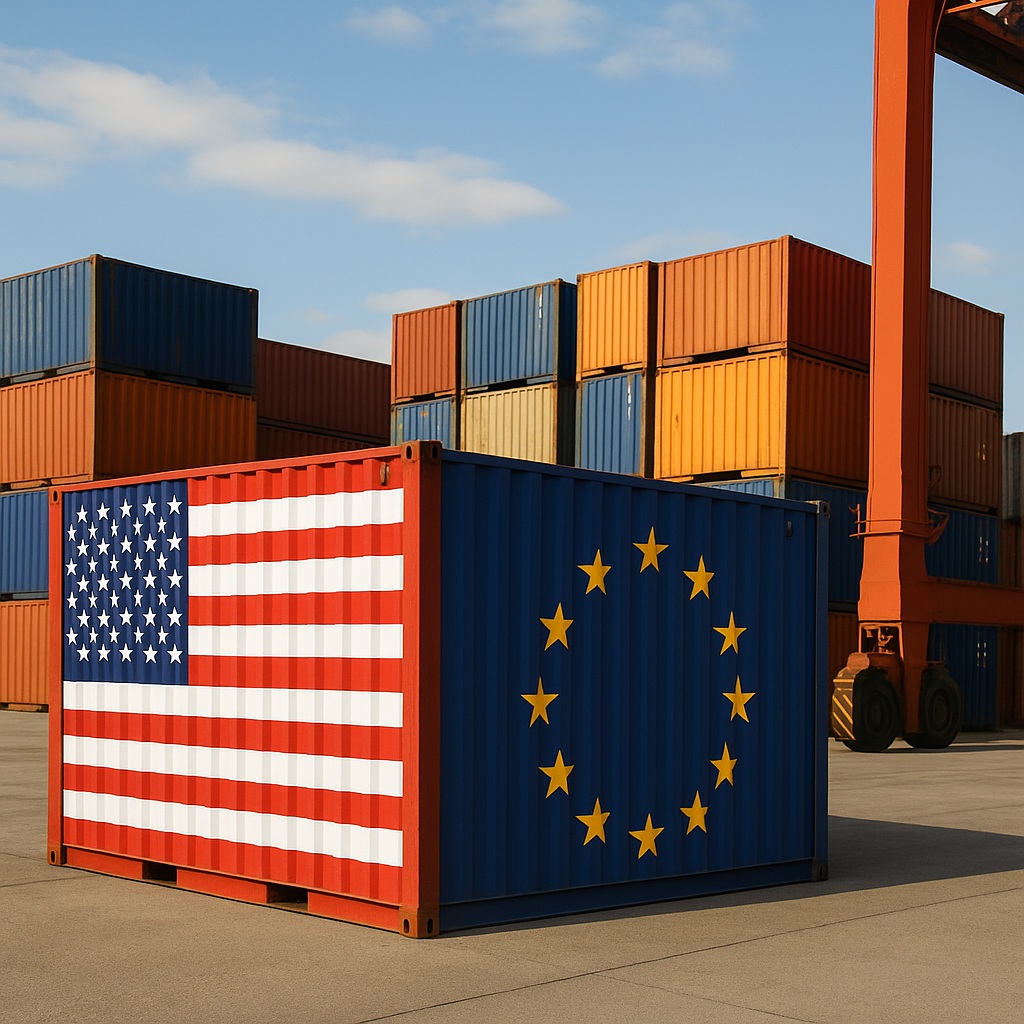
Washington’s latest push on trade policy has opened a new front in the long‑running struggle over transatlantic commerce, as senior U.S. officials signal that any meaningful easing of American tariffs on European products will only come after the European Union dramatically lowers its duties on U.S. exports. The message, delivered in a series of high‑level exchanges and reinforced by public statements from administration figures, has left European leaders grappling with a familiar but newly sharpened question: how far they are willing to go to protect access to the American market while safeguarding strategic industries at home.
The U.S. argues that current EU tariff structures place American exporters—particularly in agriculture, industrial machinery, and advanced manufactured goods—at a competitive disadvantage. According to U.S. officials, the imbalance has persisted across multiple administrations and now requires “structural correction” before Washington will consider dialing back its own trade barriers. Trade experts note that the tone marks a shift from the more collaborative approach that followed earlier rounds of negotiations, reflecting the administration’s revived emphasis on enforcing what it describes as “fair reciprocity.”
European diplomats, for their part, contend that the U.S. stance risks derailing recent progress toward stabilizing transatlantic supply chains and could invite retaliation from member states under domestic pressure to resist what some view as an overly aggressive American posture. Several officials involved in talks say the EU is prepared to consider adjustments in specific sectors but will not commit to sweeping tariff cuts without guarantees that Washington will simultaneously provide predictable, long‑term relief on its own duties.
At the heart of the dispute are competing visions of industrial strategy. Washington continues to defend a suite of measures designed to support domestic production of critical technologies—ranging from clean‑energy components to semiconductor equipment. European policymakers, many of whom have been pushing for stronger EU‑wide industrial policy, argue that unilateral U.S. demands ignore the political constraints facing member states and could undermine Europe’s efforts to maintain technological competitiveness.
The current standoff has stirred concern among multinational firms operating across the Atlantic. Executives in sectors from automotive manufacturing to consumer goods say uncertainty over tariffs is complicating investment decisions, forcing companies to factor in the possibility of sudden shifts in market access. Some have begun lobbying both Brussels and Washington to establish a clearer timeline for negotiations, warning that prolonged instability could weaken the economic ties that underpin billions in annual trade.
Behind closed doors, negotiators are weighing tactical options. U.S. officials are reportedly considering sector‑by‑sector benchmarks that would allow European tariffs to be reduced incrementally in exchange for phased American relief. EU counterparts, however, fear that such a stepwise approach could lock the bloc into a series of concessions without ensuring reciprocal actions at each stage. Analysts say this asymmetry of trust has long hampered transatlantic trade talks, but has taken on renewed significance amid ongoing geopolitical uncertainty.
Meanwhile, political dynamics in both capitals are narrowing the window for compromise. In Washington, lawmakers skeptical of globalization want assurances that any trade deal protects domestic workers and prevents “tariff leakage” through third‑country supply chains. In Europe, the rise of industrial‑policy advocates—particularly in sectors tied to green technology—has pushed leaders to maintain higher external tariffs to encourage local production. These differing imperatives have made it increasingly challenging to build a consensus on what a balanced agreement might look like.
Still, some diplomats remain cautiously optimistic. They point to recent cooperation on issues such as export controls and digital‑trade principles as evidence that the two sides can still align on shared priorities. A senior European trade official, speaking on background, suggested that a compromise might emerge if both parties agree to focus on reducing tariffs that directly affect emerging industries, while leaving more traditional sectors to be addressed later. Such an arrangement, the official argued, could create momentum without forcing either side to make politically untenable concessions.
Business groups on both continents have echoed that sentiment, urging negotiators to avoid framing the talks as a zero‑sum contest. Several have proposed a joint framework for identifying tariffs that impede strategic supply chains, particularly those involving low‑carbon technologies. Advocates say this approach would support broader climate goals while reducing the risk of a tariff spiral that could reverberate across global markets.
For now, however, the rhetorical pressure continues to intensify. Washington shows no sign of backing off its demand that the EU move first on tariff cuts—an instruction that has frustrated European officials who argue that trust must be rebuilt through simultaneous action rather than unilateral concessions. As the standoff deepens, observers warn that the dispute could spill into other areas of transatlantic cooperation, including digital regulation and security collaboration.
Whether the latest escalation results in a comprehensive deal or another stalled chapter in trade diplomacy will depend largely on the political will in both capitals to recalibrate expectations. As negotiators prepare for another round of talks, the stakes continue to rise: the future of the world’s largest trading relationship may hinge on whether Washington and Brussels can find a shared path to tariff relief—one that satisfies domestic constituencies while preserving the fragile trust that underpins transatlantic commerce.


 The Tower Post