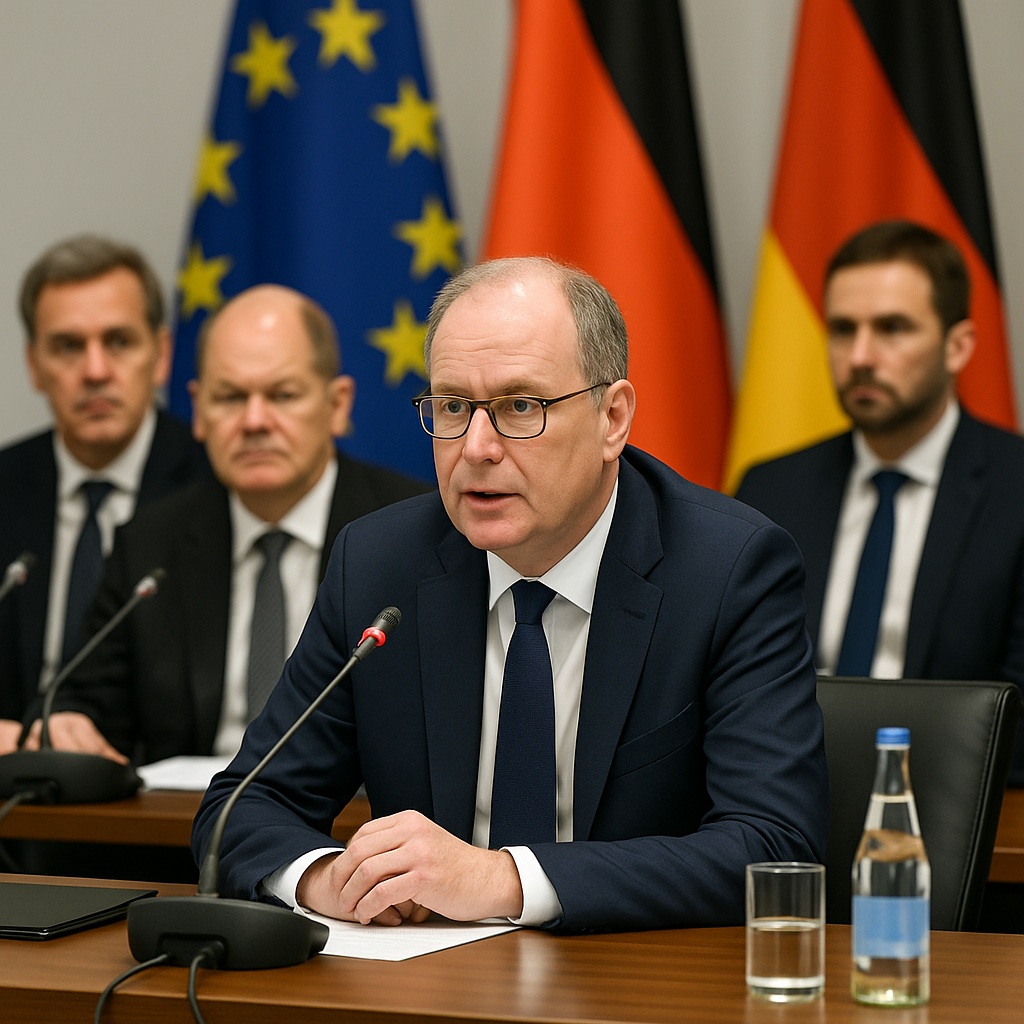
EU economic ministers urge faster efficiency gains as World Bank warns the region must use existing assets better to accelerate growth
As policymakers from across Europe and Central Asia gathered this week, a clear and pressing message emerged: productivity must rise—and quickly—if the region is to secure sustainable, broad-based growth. European Union economic ministers, meeting alongside senior officials from neighboring economies, voiced renewed concern that the region’s potential is being stifled by sluggish efficiency improvements and uneven investment.
The call comes as the World Bank issues a fresh warning: countries in Europe and Central Asia are not fully leveraging their existing assets—human capital, infrastructure, and technological capacity—and risk falling behind unless they commit to deep productivity-enhancing reforms. This assessment has resonated strongly among ministers who have watched growth soften amid global uncertainty and rising structural challenges.
At the heart of the discussion is a long‑standing issue that predates the current geopolitical tensions and economic pressures: the productivity slowdown. While several economies in the region have made strides in attracting foreign investment and expanding export sectors, many still grapple with outdated industrial structures, low levels of digitization, and labor markets ill‑prepared for rapid technological shifts.
Ministers emphasized the need to shift the region’s growth model away from reliance on external demand and cyclical factors, toward one driven by innovation, skills, and efficient resource allocation. The World Bank’s analysis supports this perspective, underscoring that building new assets alone will not be enough. Countries must also extract more value from what they already have—whether through better governance of state‑owned enterprises, streamlined business regulations, or improved workforce training systems.
One area receiving particular attention is the region’s manufacturing and services sectors, where productivity gaps remain stark. In several Central Asian economies, for example, small and medium‑sized enterprises still struggle to access modern technologies, while in parts of the EU, labor shortages persist even as employment rates reach record highs. This mismatch highlights a structural friction: businesses need workers with advanced skills, but educational systems are not producing them fast enough.
Regional ministers are also increasingly focused on the need to foster innovation ecosystems that encourage collaboration between governments, universities, and private companies. Some EU member states have begun experimenting with targeted incentives to support digital transformation initiatives, green industrial upgrades, and research partnerships. However, the pace of adoption varies, and policymakers warn that uneven progress could widen the development gap within the region.
Alongside domestic reforms, international cooperation is emerging as an essential pillar of the productivity agenda. Ministers from Europe and Central Asia emphasized that deeper integration—particularly through trade, infrastructure connectivity, and energy collaboration—can catalyze efficiency gains. Cross‑border digital platforms, shared energy grids, and region‑wide standards for emerging technologies were all floated as potential multipliers of productivity.
Still, political tensions and economic fragmentation remain obstacles. Divergent regulatory approaches, concerns over data governance, and ongoing geopolitical disputes could complicate efforts to build shared systems. Yet ministers expressed cautious optimism, noting that economic necessity may override political reluctance in the years ahead.
As the year draws toward its end and governments refine their policy outlooks, the consensus is increasingly clear: Europe and Central Asia must move beyond incremental adjustments and embrace transformative strategies to unlock higher productivity. The World Bank’s message—that faster, more efficient use of assets is essential—appears to have struck a chord.
EU economic ministers now face a pivotal moment. With global competition intensifying and technological change accelerating, the region’s ability to deliver meaningful productivity gains could determine its economic trajectory for decades. The challenge is substantial, but so is the opportunity—if governments choose to act with urgency and coordination.




 The Tower Post