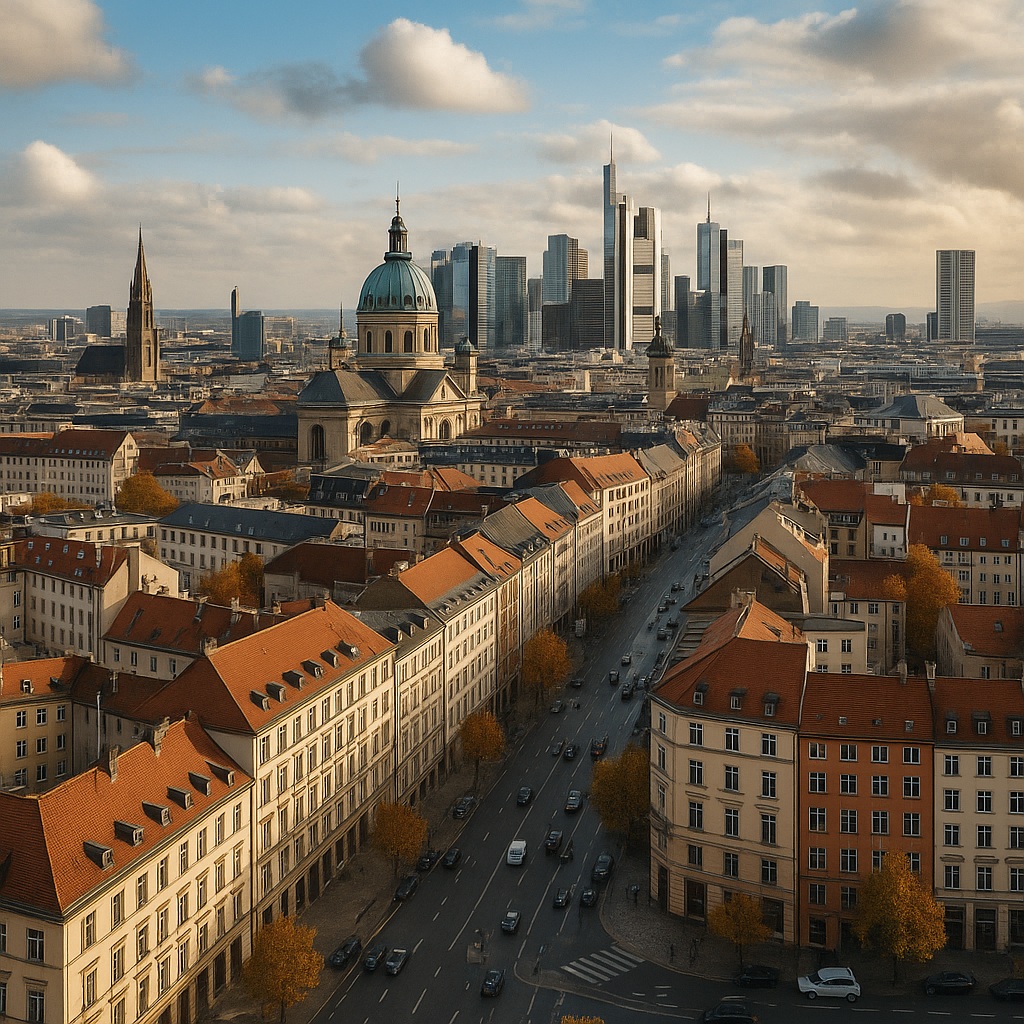
Analysis highlights that Europe’s long-running sluggish growth may be turning if productivity rises, labour markets improve, and investment revives.
Europe may be edging toward a long-awaited economic revival. After more than a decade marked by sluggish expansion, uneven productivity, and recurring crises, signs of renewed momentum are beginning to emerge across the continent. As policymakers, businesses, and analysts assess the landscape toward the end of November, the question is no longer whether Europe can grow—but whether it can sustain a broad and durable resurgence.
A foundational shift appears to be under way in several core areas of economic performance. Productivity, long the region’s Achilles’ heel, is beginning to show early improvement as firms accelerate their adoption of digital tools, artificial intelligence, and advanced manufacturing methods. This technological shift—once slow and fragmented—is now taking root in industries ranging from automotive to pharmaceuticals to precision engineering. While Europe still trails global innovation leaders, the narrowing of the gap suggests a potential turning point.
Labour markets, which experienced volatility following the pandemic period, are showing renewed signs of resilience. Many member states have expanded workforce training programmes, encouraging upskilling in high-demand areas such as green technologies, software development, and industrial automation. Efforts to boost intra-European worker mobility are also helping to reduce skills mismatches that have historically weighed on growth. Though wage pressures and demographic headwinds remain, employment indicators suggest that Europe may be entering a more stable phase of labour utilisation.
Investment—arguably the most critical pillar for long-term growth—is also beginning to revive. Large-scale initiatives in clean energy, digital infrastructure, semiconductor production, and climate adaptation have catalysed both public and private capital. The energy transition, once viewed as a cost centre, is increasingly seen as a competitive opportunity. Yet the investment gap is still notable, raising the challenge of mobilising deeper capital flows through a more integrated and efficient European financial system.
Despite these promising trends, Europe’s path to a full comeback is far from guaranteed. Structural reforms remain uneven across member states, with regulatory complexity, weak capital markets integration, and productivity disparities continuing to hinder the pace of convergence. To unlock its full economic potential, Europe will need to accelerate reforms that enhance business dynamism, reduce administrative burdens, and support innovation ecosystems.
The geopolitical environment adds another layer of uncertainty. With global supply chains shifting, energy security priorities evolving, and competitive pressure intensifying from the United States and Asia, Europe must navigate an increasingly complex economic landscape. The region’s ability to maintain cohesion in policy and direction will be a defining factor in whether its comeback can be sustained.
As of late November, Europe stands at an inflection point: the ingredients for resurgence are visible, but follow-through will be decisive. If productivity gains continue, labour markets stay resilient, and investment strengthens, the continent could be on the cusp of a new period of broad-based economic vitality. The coming months will determine whether this moment becomes a turning point—or another false dawn for the European project.



 The Tower Post