
EU prepares a groundbreaking legal framework to channel frozen Russian assets into a stabilizing loan package
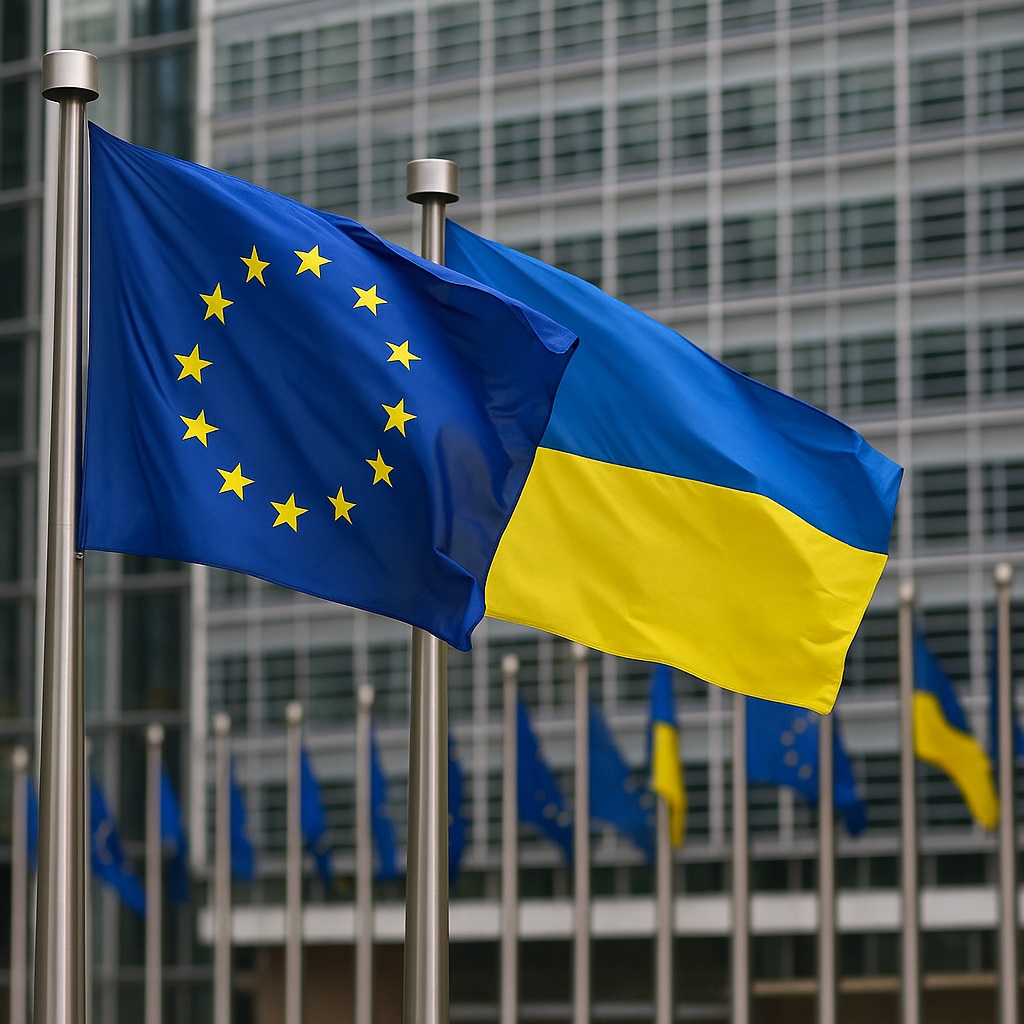
As European leaders weigh the next phase of support for Ukraine, the European Union is preparing an unprecedented legal structure that would allow the bloc to mobilize roughly €140 billion in frozen Russian central-bank assets. The plan, expected to be formally unveiled soon, represents one of the boldest financial maneuvers in the EU’s history — and one that could redefine how international law treats sovereign assets in times of conflict.
The initiative comes at a critical moment. Ukraine’s financial needs have surged due to continued infrastructure destruction, energy-grid challenges, and the mounting economic strains of a drawn-out war. While Europe remains Kyiv’s most reliable economic partner, traditional budgetary commitments alone have proven insufficient to secure Ukraine’s long-term stability. EU officials believe that leveraging Russian assets — immobilized across European clearinghouses and financial institutions since the invasion — could bridge the gap.
A central question confronting EU lawyers has been how to design a framework that withstands judicial scrutiny while maintaining the principle of sovereign immunity, a cornerstone of international financial systems. Rather than expropriating the assets outright, the European Commission intends to create a structure allowing the interest generated by the frozen funds — and potentially the assets themselves under specific conditions — to serve as collateral for a massive loan package to Ukraine.
By separating ownership from use, the Commission hopes to avoid accusations of unlawful seizure. Officials argue that this approach preserves the legal status of the assets while recognizing the extraordinary circumstances created by Russia’s actions. The loan would be underwritten collectively by EU member states, signaling a long-term political commitment to Ukraine and offering a more sustainable financial backbone than short-term aid packages.
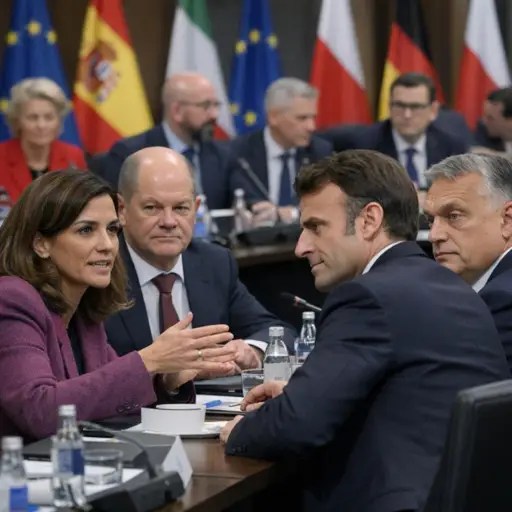
Despite broad agreement on Ukraine’s need for support, member states remain divided over the legal and geopolitical risks of mobilizing Russian reserves. Some governments advocate for an assertive approach, while others warn that challenging sovereign immunity could create long-term vulnerabilities for Europe. The debate is intensified by the complex legal environment surrounding the assets, which sit within major EU financial clearing systems governed simultaneously by European law, national legislation, and international conventions.
The scale of the frozen reserves adds another layer of complexity. EU officials emphasize the need for a mechanism strong enough to withstand inevitable court challenges. Meanwhile, Russia has signaled that it would consider such a move an escalation, even as it works to deepen financial ties with partners outside the Western system.
Beyond immediate economic impact, the EU’s proposal carries strategic weight. Using Russia’s immobilized reserves to fund Ukrainian stability would send a clear message that aggression carries durable financial consequences. The plan also reflects Europe’s growing willingness to use economic tools as instruments of geopolitical influence, following years of sanctions, trade shifts, and energy-market turmoil.
Economists say the loan mechanism could provide Ukraine with predictable financing at a time when donor fatigue threatens traditional assistance channels. A long-term, guaranteed funding stream would help stabilize Ukraine’s budget, support key public services, and reduce reliance on fragmented emergency packages. Analysts describe the initiative as one of the most consequential financial steps the EU could take to ensure Ukraine’s economic survival during the conflict.
The global community is watching closely. The United States has engaged in similar debates but has taken a more cautious legal path. Should the EU succeed in building a defensible model, it may serve as a template for allied governments confronting major breaches of international law. Some central banks, however, fear that the move could weaken confidence in the safety of foreign reserves held in Europe, prompting shifts toward alternative jurisdictions.
EU officials counter that Russia’s actions represent a uniquely severe violation of international norms. They insist that any mechanism created for this case would be narrowly tailored and not a precedent for broader asset seizures. The Commission aims to ensure that the legal framework explicitly applies only to extraordinary acts of aggression.
Ukraine’s financial pressures remain urgent. Rebuilding critical infrastructure, maintaining energy stability, and supporting displaced populations have placed immense strain on government finances. EU diplomats say the loan package must become operational as soon as possible to help Kyiv navigate the challenges ahead.
Negotiations in Brussels are accelerating as legal teams refine the proposal and member states weigh their final positions. While political hurdles remain, optimism is growing that the bloc can reach a unified agreement. For Ukraine, the outcome will play a pivotal role in shaping its economic resilience and its capacity to withstand ongoing external pressure.
As the EU prepares to finalize its framework, the effort underscores Europe’s evolving geopolitical identity and its determination to play a decisive role in Ukraine’s future. The coming phase of negotiations will determine whether the plan becomes a cornerstone of Ukraine’s financial stability or a test case for the limits of international economic governance.



 The Tower Post