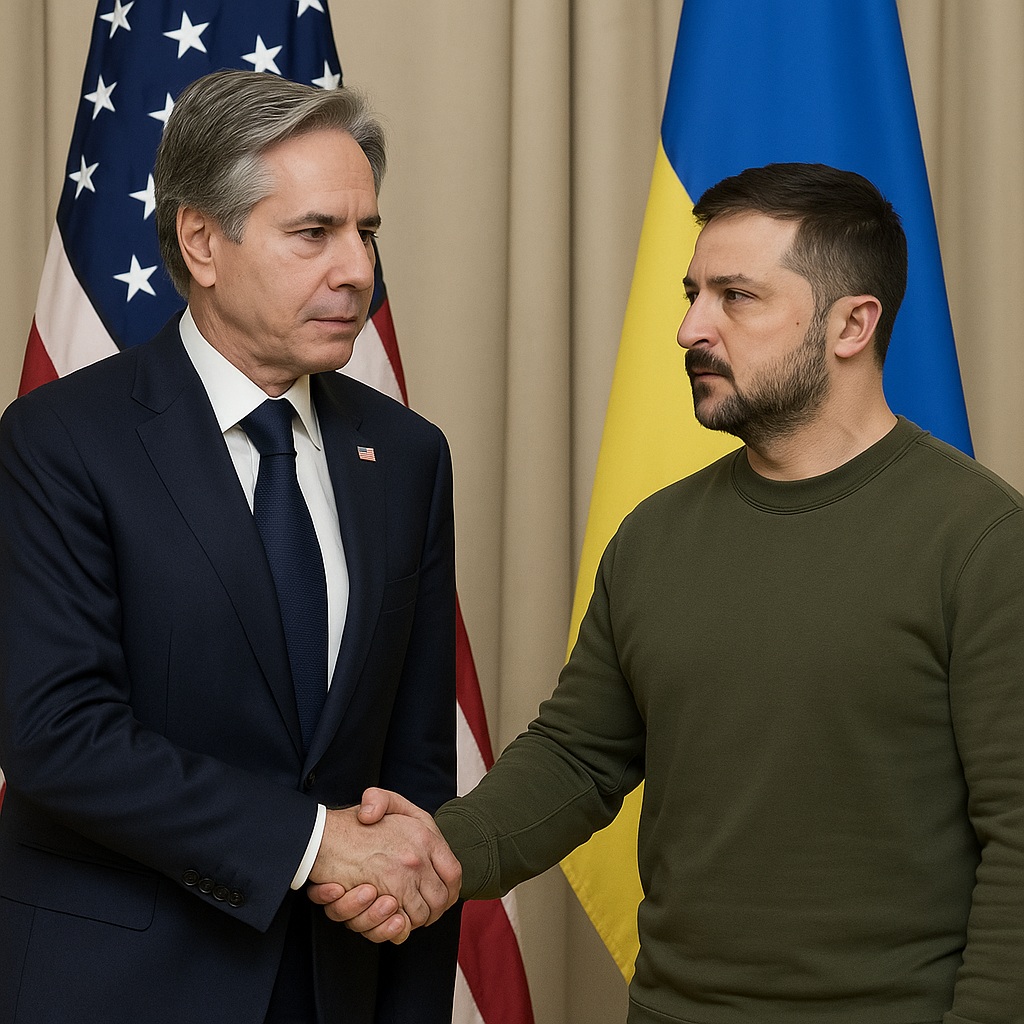
How a U.S.-backed proposal to end the Ukraine war drew from a Russian-drafted blueprint, raising questions about neutrality
In a development stirring intense debate among diplomats and analysts, insiders say the recently revealed 28-point U.S.-backed peace proposal for ending the war in Ukraine was partially derived from a confidential Russian-drafted document. The revelation has cast new scrutiny over a plan previously hailed as Washington’s most comprehensive attempt yet to define a path toward de‑escalation and long-term stability.
According to three officials with direct knowledge of the negotiations, portions of the American framework—particularly those concerning territorial administration, security guarantees, and humanitarian oversight—mirror language that circulated in Russian diplomatic channels earlier this year. While U.S. officials maintain the proposal reflects only “widely discussed and internationally recognized principles,” sources insist that several clauses align too closely with Moscow’s internal drafts to be coincidental.
For Ukrainian officials, the disclosure has raised concerns over the neutrality and strategic origins of the plan. Kyiv’s representatives have long feared that Western pressure for a swift settlement could tilt the diplomatic balance in Russia’s favor. Senior Ukrainian advisers, speaking privately, described the overlap as “deeply troubling” and “a signal that Moscow’s preferred architecture is quietly influencing Western thinking.”
Those involved in the diplomatic process dispute the idea that the United States intentionally adopted Russian talking points. One official familiar with the matter argued that similar language appearing in both documents reflects the unavoidable realities of negotiating an end to a complex, protracted conflict. “There are certain components any peace plan must address,” the official said. “If Russia outlines them and the U.S. outlines them, that does not mean coordination—it means there is a shared understanding of what the sticking points are.”
Still, analysts caution that perception matters, especially at a moment when trust between Kyiv and some of its partners is under strain. The discovery has prompted renewed calls for transparency over how the plan was constructed, who contributed to its drafting, and what weight foreign proposals carried during the process.
The Russian Foreign Ministry has declined to comment directly, though a spokesperson suggested that any movement toward recognizing Moscow’s “core security concerns” would be “a step in the correct direction.” Meanwhile, Ukraine’s leadership continues to emphasize that no settlement will be accepted if it undermines sovereignty or rewards aggression.
Western European diplomats say they are watching the fallout carefully. Several expressed concern that the controversy could complicate a fragile moment in the broader effort to build consensus behind a potential peace framework. Others, however, argue that the uproar may fade if Kyiv’s priorities remain central during future revisions.
For now, the episode underscores the opacity—and geopolitical sensitivity—surrounding major-power peace initiatives. As one negotiator put it, “Everyone is drafting plans. Everyone is drafting around each other. The question isn’t whether documents resemble one another; it’s who gets to define the final version.”
Whether this revelation will derail momentum toward a settlement remains unclear. But it has added a layer of complexity to an already contentious diplomatic landscape, intensifying scrutiny of the United States’ role at a crucial juncture and raising the stakes for the next round of negotiations.



 The Tower Post