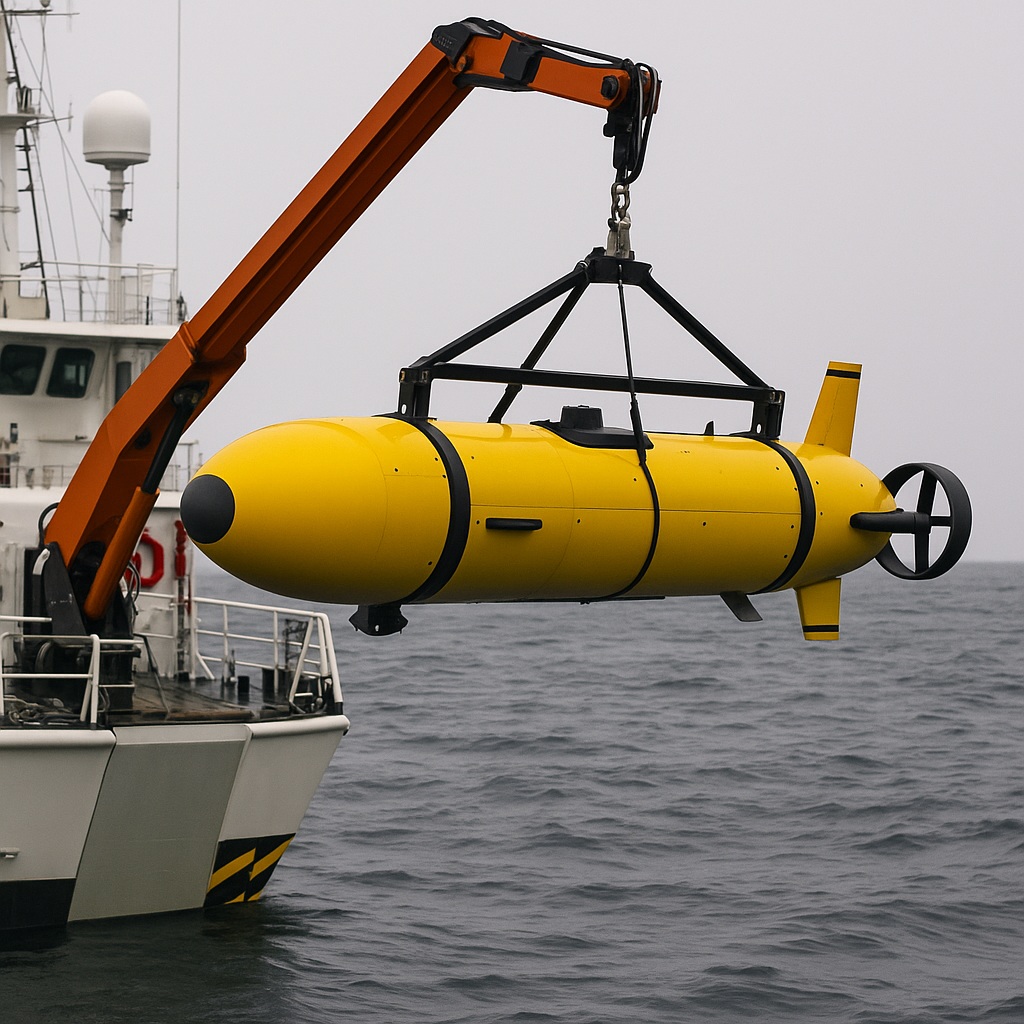
European States Turn to Autonomous Underwater Drones as Defense Tensions Rise
In a marked shift reflecting the continent’s mounting security concerns, several European governments have finalized purchases of long-range autonomous underwater drones from a leading German defense manufacturer. The acquisitions, confirmed by industry officials and defense advisers, underscore a broader continental effort to expand undersea surveillance and deterrence capabilities.
The growing appeal of underwater drone systems comes as defense planners confront evolving regional tensions and increasingly complex maritime environments. Naval officials say that autonomous underwater platforms—able to navigate for extended periods, map seabeds, monitor submarine activity, and identify early-stage threats—have become central to new strategy documents circulating among European ministries.
According to executives familiar with the production lines, the German firm has delivered multiple units of its latest autonomous model, designed to operate at great depths and remain undetected in contested waters. While procurement details remain closely guarded, defense figures across northern and southern Europe have described the drones as “mission multipliers” that allow continuous monitoring without placing crews at risk.
Analysts point to the strategic motivations behind the purchases. With undersea infrastructure—such as communication cables, energy pipelines, and offshore installations—becoming prime targets for sabotage or disruption, governments are investing in technologies capable of persistent inspection and rapid response. Several European nations have upgraded their maritime patrol frameworks in recent months, emphasizing resilience and early-warning capacity.
Military researchers also highlight how the systems complement existing naval fleets. The drones can be launched from surface vessels, patrol autonomously, or integrate into digital command networks that allow operators to receive live telemetry. “They close gaps in surveillance that traditional ships and manned submarines cannot cover efficiently,” one defense analyst said.
Industry specialists report that European interest has intensified as global competitors rapidly expand their own autonomous undersea forces. The German manufacturer is said to be preparing additional production capacity in anticipation of new orders, with engineers focusing on extended endurance, stealth coatings, and AI-enhanced navigation tools.
Though officials decline to link the purchases to any single geopolitical event, the timing reflects a wider atmosphere of caution among European capitals. Security advisers describe a “quiet but brisk” buildup in naval technology, aimed not at escalation but at safeguarding critical underwater corridors.
As procurement continues and research accelerates, the rising presence of autonomous underwater drones is reshaping Europe’s defense posture. Their deployment signals a region adjusting to new realities beneath the surface—where unseen movements increasingly shape the balance of power.




 The Tower Post