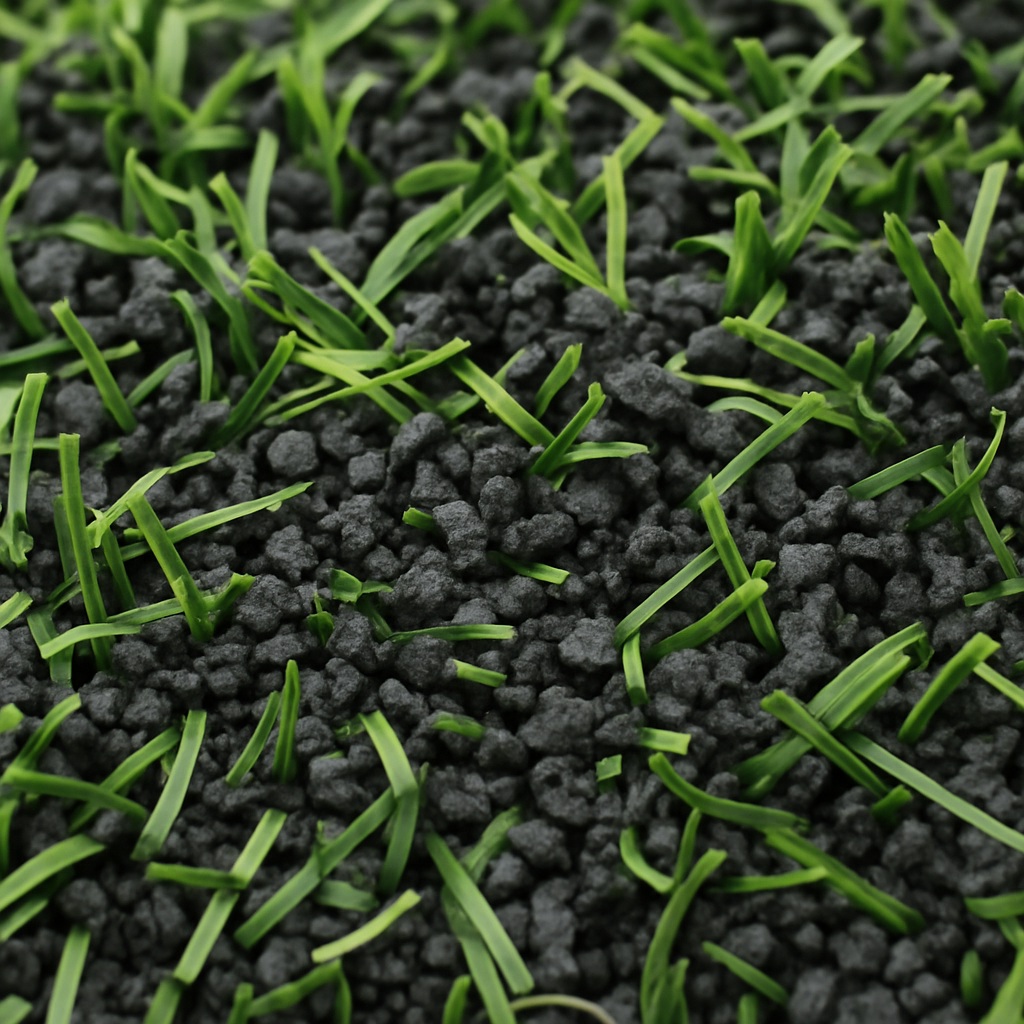
A positive test traced to rubber-crumb infill puts environmental contamination under scrutiny as the club calls for urgent reform.
Vålerenga Fotball has urged international and national anti-doping authorities to overhaul current testing protocols following a positive stimulant test involving a women’s-team player that the club says originated from synthetic pitch infill. The case, which has triggered intense debate across Norwegian football, highlights growing concerns about environmental contamination as an overlooked risk in elite sport.
Club officials say the player, a regular starter on Vålerenga’s top-flight women’s side, was stunned when routine testing identified trace levels of a prohibited stimulant. According to internal investigations commissioned by the club, the substance was tied to rubber crumb infill—tiny black granules used in artificial turf systems. Laboratory specialists consulted by Vålerenga reportedly found that certain aging synthetic pitches can leach micro-residues capable of entering an athlete’s system through skin abrasions, inhalation, or accidental ingestion.
The findings have set off a wider conversation about whether current anti-doping frameworks adequately reflect the realities of modern playing environments. While artificial turf is common across Scandinavia due to climate challenges, few expected that the very surface designed to ensure year-round training access might inadvertently contribute to doping violations.
Vålerenga’s leadership has called for immediate rule reviews, emphasizing that strict liability—under which athletes are held responsible for any banned substance found in their body regardless of intent or source—must evolve to account for contamination risks beyond an athlete’s control. The club argues that without updated protocols, athletes exposed to synthetic pitches may remain vulnerable to sanctions for substances they never knowingly consumed.
Player welfare advocates have echoed these concerns, noting that the issue underscores broader worries about the long-term health impact of artificial turf infill materials. Some researchers have been warning for years that crumb rubber, often made from recycled tires, contains a cocktail of chemicals whose behavior under intense usage and weathering is still not fully understood.
The Norwegian football community has responded with a mix of alarm and resolve. Several clubs using similar surfaces have begun reviewing their maintenance practices, while local governing bodies have signaled a willingness to examine whether safety standards need tightening.
For the affected Vålerenga player, who remains temporarily sidelined pending procedural reviews, the club maintains full confidence in her innocence. Officials say her case should serve as a catalyst for modernizing anti-doping systems to better reflect the environmental complexities of today’s game.
As sports increasingly rely on engineered surfaces and materials, the incident may mark a turning point—forcing regulators, clubs, and scientists to collaborate on updated safeguards that protect both fairness and athlete well-being.




 The Tower Post